Hi @jak2026
Thank you for such a detailed post and for sharing the photos.
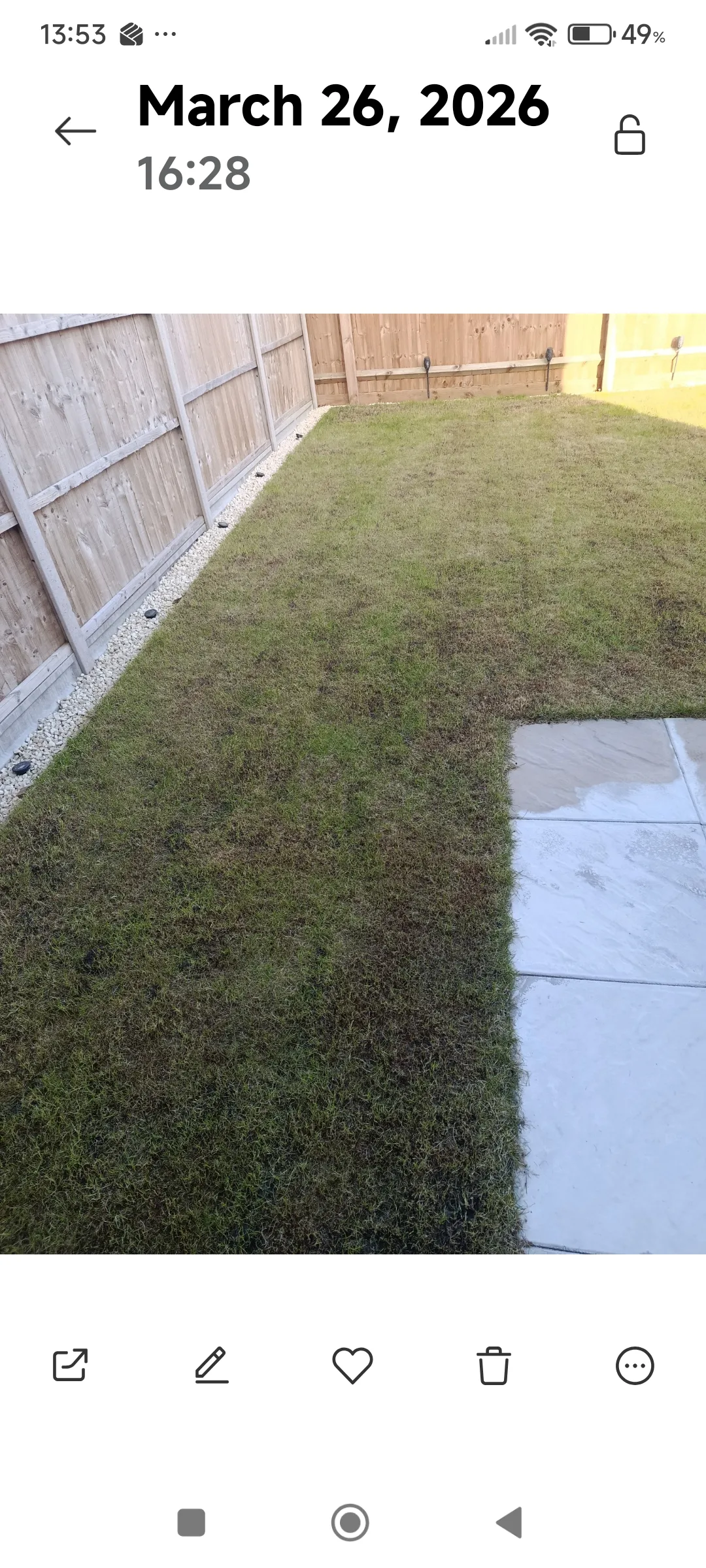
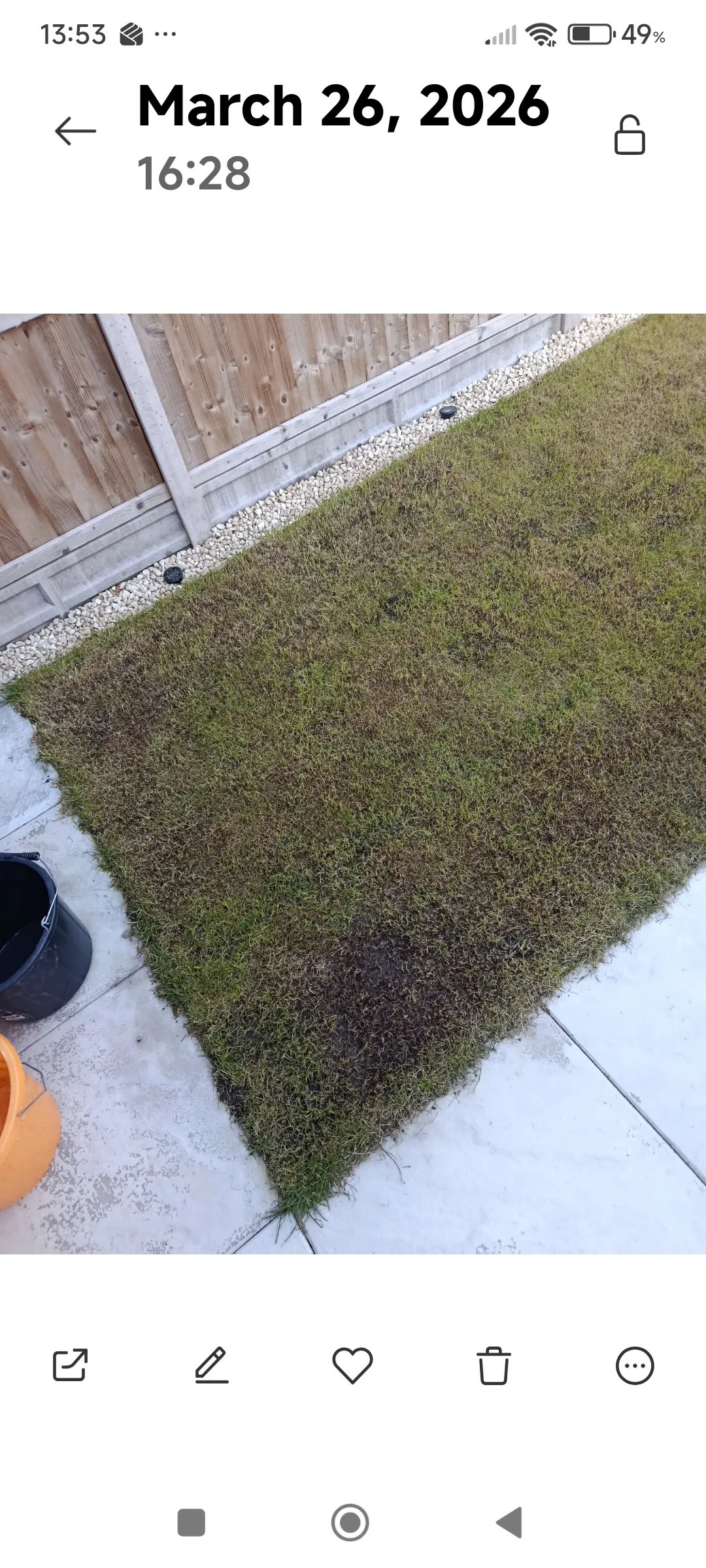
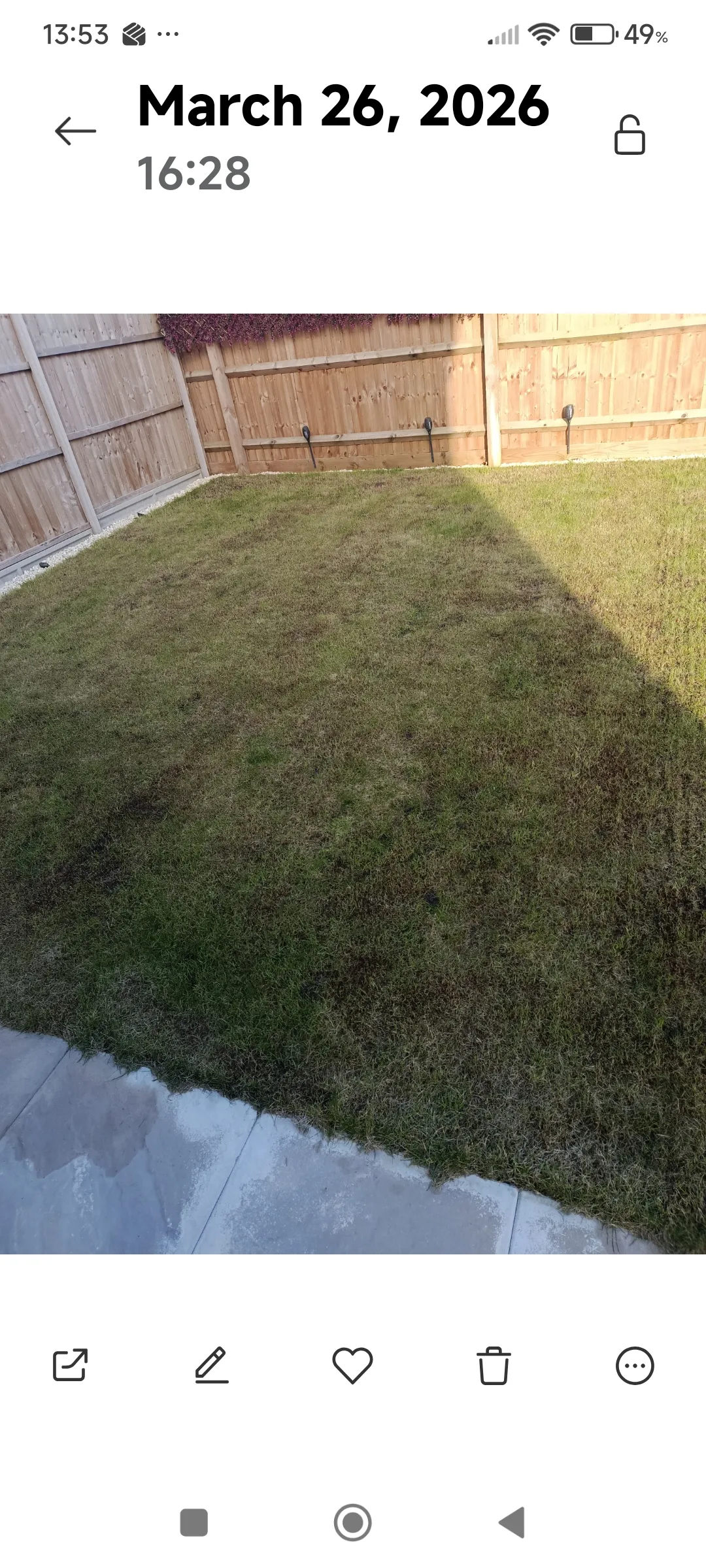
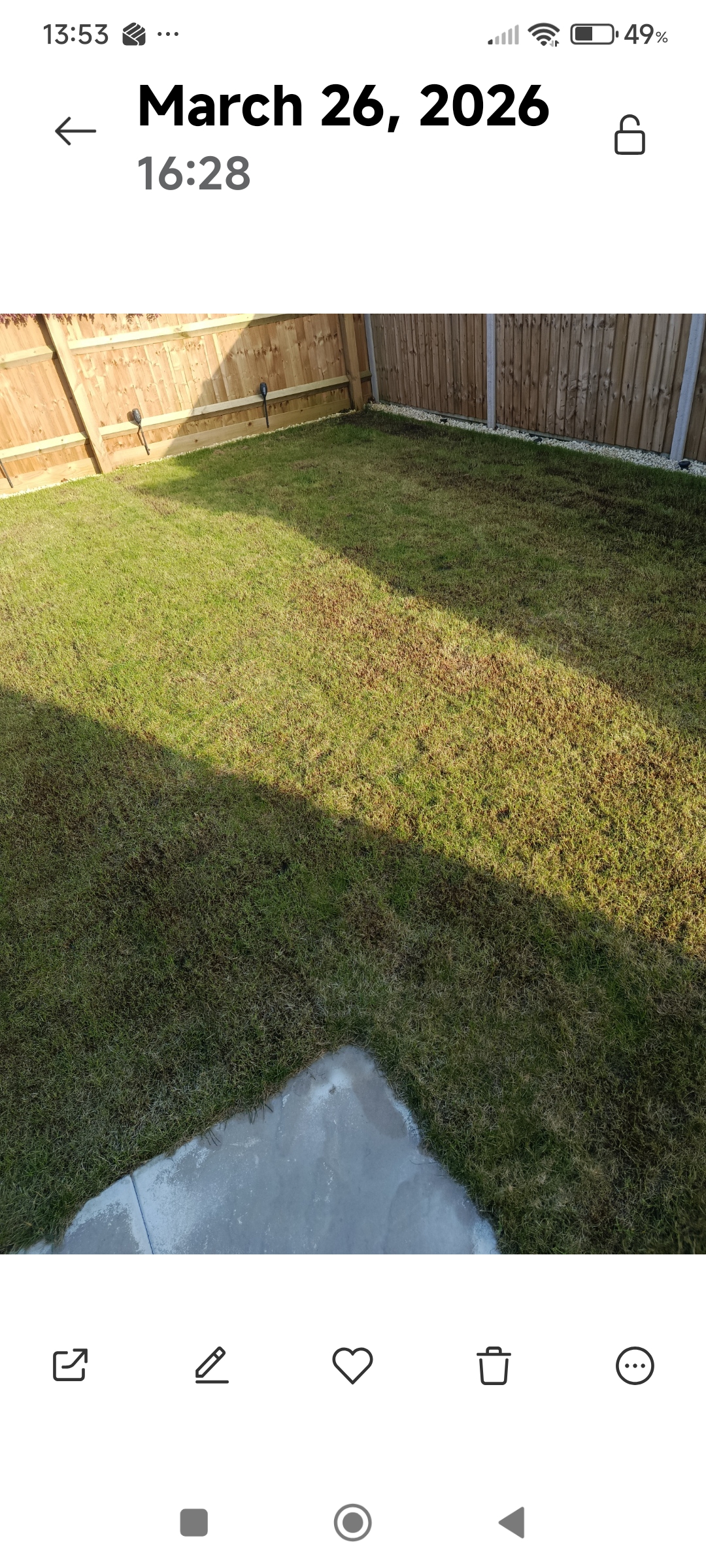
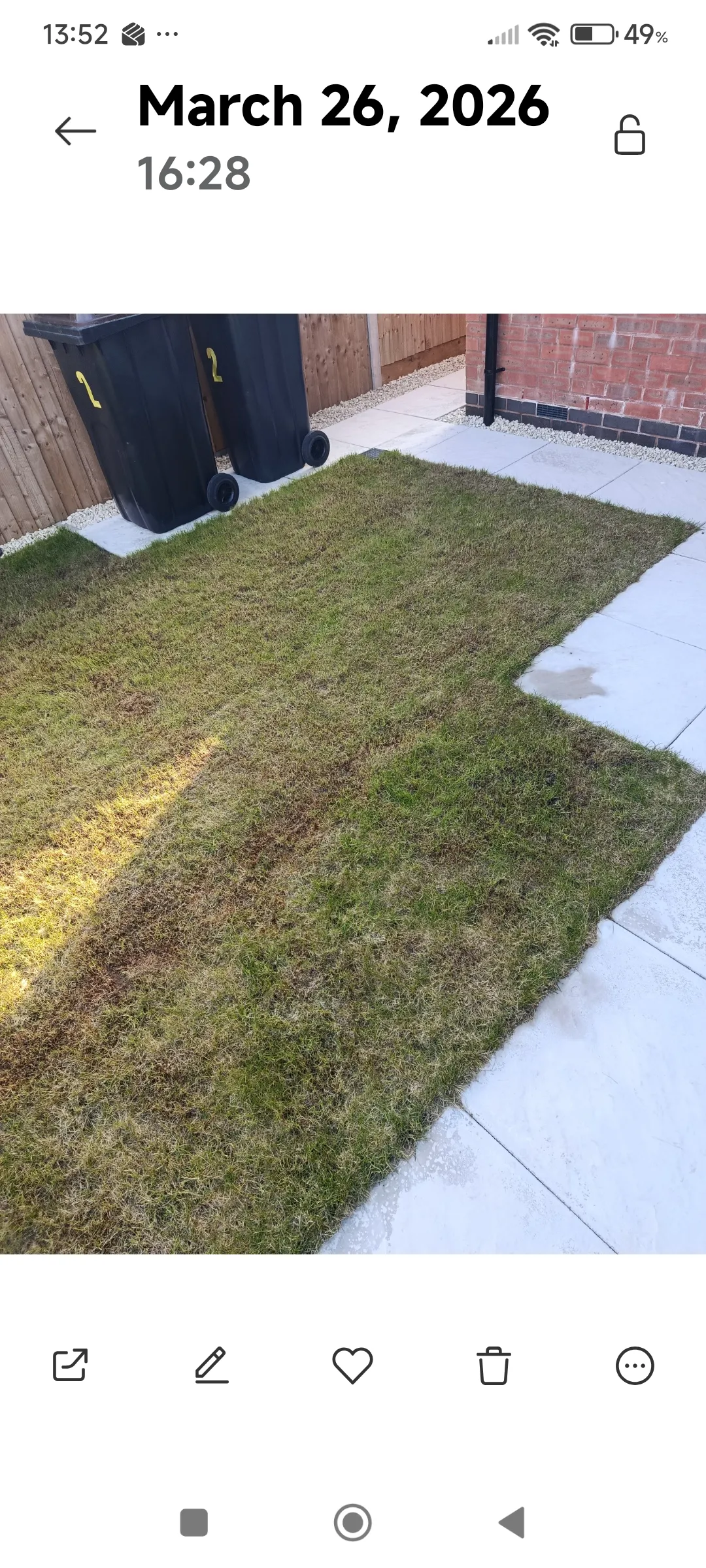
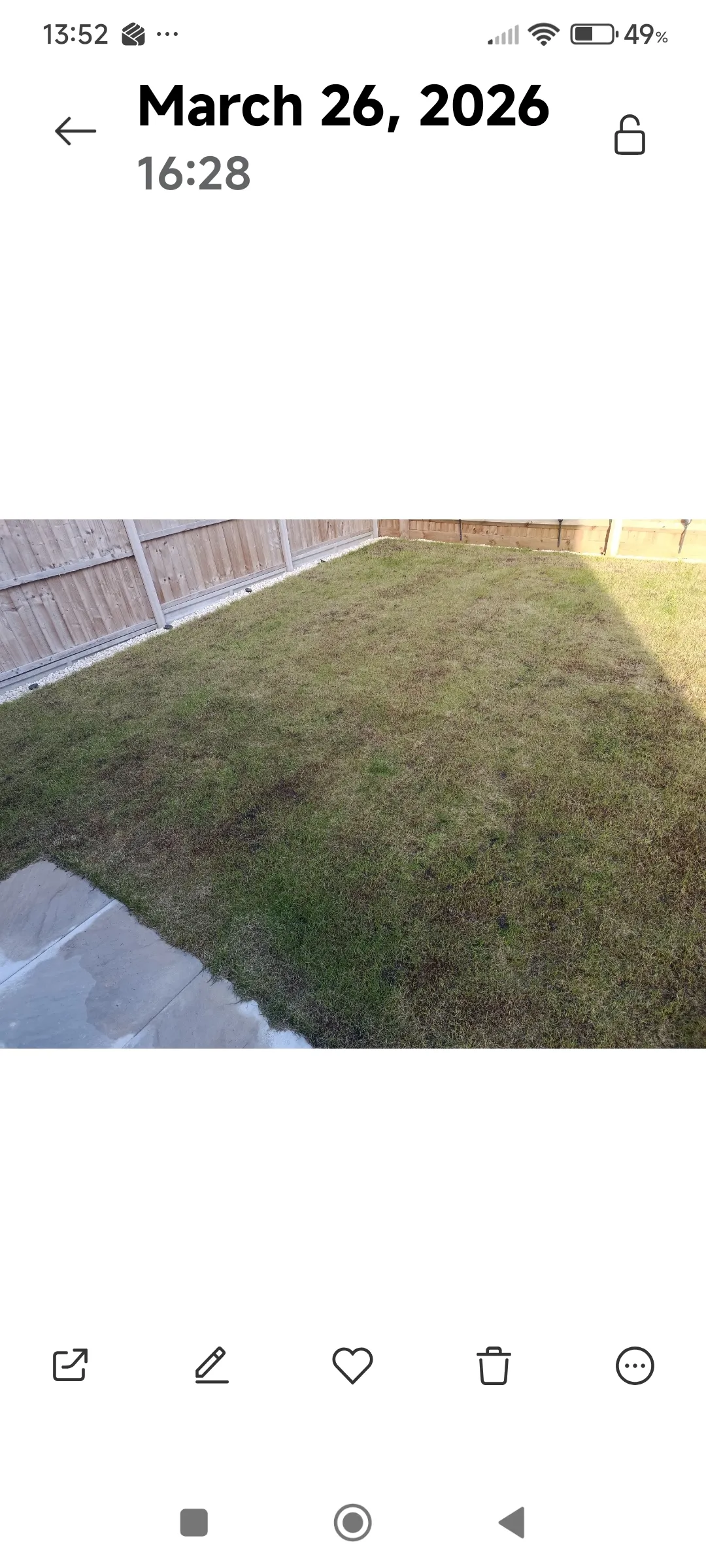
I can completely understand the frustration, especially when you've invested time and effort into doing this properly and then find yourself staring at the lawn five days later, wondering if anything is actually happening. The good news is that I don't think you have a problem here. I think you have a classic case of completely normal March impatience, and I say that with a great deal of sympathy because I've been there myself.
Five days is far too soon to draw any conclusions
Grass seed germination in early spring, particularly in the East Midlands in March, can easily take three weeks or more. The soil temperature is still low at this time of year, and grass seed simply will not germinate regardless of how well you've prepared things. The seed, appearing to have turned brown, is almost certainly just absorbing moisture and beginning to germinate rather than dying. Seed does change colour and appearance as it takes on water. As long as the soil stays moist and temperatures continue to rise through April, germination is coming. It just needs more time than you've given it.
To put your expectations in the right place, here is a rough guide to how long lawn seed typically takes to germinate across the main overseeding months in the UK. These are realistic averages based on average soil temperatures and assume reasonable moisture levels throughout.
| Month |
Typical Soil Temperature |
Expected Germination Time |
| February |
3 to 5°C |
Germination very unlikely, seed will sit dormant |
| March |
5 to 8°C |
3 to 4 weeks, often longer in cold spells |
| April |
8 to 10°C |
2 to 3 weeks |
| May |
10 to 14°C |
10 to 14 days |
| June |
14 to 18°C |
7 to 10 days |
| July |
16 to 20°C |
5 to 10 days, but drought risk increases sharply |
| August |
14 to 18°C |
7 to 10 days, conditions often ideal |
| September |
10 to 14°C |
10 to 14 days, excellent month for overseeding |
As you can see, March is genuinely one of the slower months for germination. You are working at the bottom end of the viable temperature range, which is why patience is so important right now. By the time you reach May, the same seed would be showing signs of life in half the time. September is widely considered the best month to overseed in the UK precisely because soil temperatures are still warm from summer, but the air is cooler, and moisture is more reliable, giving you that fast germination without the drought stress that July and August can bring.
Please don't aerate again
I'd strongly advise against going back over the lawn with the aerating roller on a lower setting. You've already prepared the seedbed, the seed is in, and the last thing you want to do now is disturb it with another pass of equipment. Running machinery over freshly seeded ground risks displacing the seed, compacting the surface back down, and generally undoing the preparation work you've already done. The preparation phase is finished. You are now in the waiting phase, and those two phases require completely different approaches.
Sieve a layer of compost over the lawn lightly
Rather than more mechanical intervention, what I'd suggest is sieving a thin layer of compost over the overseeded areas, no more than a centimetre or so. This does two useful things. It helps lock in moisture around the seed so it doesn't dry out during any dry spells between rain events, and it provides a little warmth and a fine, friable contact layer that encourages germination. You mentioned the front lawn patches are already covered with compost and that's exactly right. If the bare corner areas haven't had that treatment yet, do that rather than any further aeration.
Keep the areas lightly moist rather than heavily watered. The rain you've been having is actually doing most of that work for you, which is ideal. The main risk at this time of year is the seed drying out completely during any unexpected dry stretches, so the compost layer is good insurance against that.
Scarification and recovery
It's also worth remembering that scarification itself takes six to eight weeks before you see the full results. A lawn that has been scarified in March will often look worse before it looks better, and that can be genuinely alarming if you're not expecting it. The existing turf needs time to recover from the process, the new seed needs time to germinate and establish, and the whole lawn needs several weeks of active growth before it starts to look noticeably improved. You are at the very beginning of that recovery arc, not at the end of it.
https://youtu.be/8oeYfHJvmsQ
The approach you've taken, scarifying, aerating, overseeding at the right rate, and adding a compost dressing, is sound. Don't make hasty switches or changes based on five days of waiting. Give it until late April before you make any assessment of whether it has worked.
For more detail on what to expect and when, my full overseeding guide covers germination timelines and aftercare in depth: How to Overseed a Lawn: The Complete UK Guide
Hang in there. You've done the right things. Now the lawn just needs time to prove it.
Lee Garden Ninja
Hi @jak2026
Thank you for such a detailed post and for sharing the photos.
I can completely understand the frustration, especially when you've invested time and effort into doing this properly and then find yourself staring at the lawn five days later, wondering if anything is actually happening. The good news is that I don't think you have a problem here. I think you have a classic case of completely normal March impatience, and I say that with a great deal of sympathy because I've been there myself.
Five days is far too soon to draw any conclusions
Grass seed germination in early spring, particularly in the East Midlands in March, can easily take three weeks or more. The soil temperature is still low at this time of year, and grass seed simply will not germinate regardless of how well you've prepared things. The seed, appearing to have turned brown, is almost certainly just absorbing moisture and beginning to germinate rather than dying. Seed does change colour and appearance as it takes on water. As long as the soil stays moist and temperatures continue to rise through April, germination is coming. It just needs more time than you've given it.
To put your expectations in the right place, here is a rough guide to how long lawn seed typically takes to germinate across the main overseeding months in the UK. These are realistic averages based on average soil temperatures and assume reasonable moisture levels throughout.
| Month |
Typical Soil Temperature |
Expected Germination Time |
| February |
3 to 5°C |
Germination very unlikely, seed will sit dormant |
| March |
5 to 8°C |
3 to 4 weeks, often longer in cold spells |
| April |
8 to 10°C |
2 to 3 weeks |
| May |
10 to 14°C |
10 to 14 days |
| June |
14 to 18°C |
7 to 10 days |
| July |
16 to 20°C |
5 to 10 days, but drought risk increases sharply |
| August |
14 to 18°C |
7 to 10 days, conditions often ideal |
| September |
10 to 14°C |
10 to 14 days, excellent month for overseeding |
As you can see, March is genuinely one of the slower months for germination. You are working at the bottom end of the viable temperature range, which is why patience is so important right now. By the time you reach May, the same seed would be showing signs of life in half the time. September is widely considered the best month to overseed in the UK precisely because soil temperatures are still warm from summer, but the air is cooler, and moisture is more reliable, giving you that fast germination without the drought stress that July and August can bring.
Please don't aerate again
I'd strongly advise against going back over the lawn with the aerating roller on a lower setting. You've already prepared the seedbed, the seed is in, and the last thing you want to do now is disturb it with another pass of equipment. Running machinery over freshly seeded ground risks displacing the seed, compacting the surface back down, and generally undoing the preparation work you've already done. The preparation phase is finished. You are now in the waiting phase, and those two phases require completely different approaches.
Sieve a layer of compost over the lawn lightly
Rather than more mechanical intervention, what I'd suggest is sieving a thin layer of compost over the overseeded areas, no more than a centimetre or so. This does two useful things. It helps lock in moisture around the seed so it doesn't dry out during any dry spells between rain events, and it provides a little warmth and a fine, friable contact layer that encourages germination. You mentioned the front lawn patches are already covered with compost and that's exactly right. If the bare corner areas haven't had that treatment yet, do that rather than any further aeration.
Keep the areas lightly moist rather than heavily watered. The rain you've been having is actually doing most of that work for you, which is ideal. The main risk at this time of year is the seed drying out completely during any unexpected dry stretches, so the compost layer is good insurance against that.
Scarification and recovery
It's also worth remembering that scarification itself takes six to eight weeks before you see the full results. A lawn that has been scarified in March will often look worse before it looks better, and that can be genuinely alarming if you're not expecting it. The existing turf needs time to recover from the process, the new seed needs time to germinate and establish, and the whole lawn needs several weeks of active growth before it starts to look noticeably improved. You are at the very beginning of that recovery arc, not at the end of it.
The approach you've taken, scarifying, aerating, overseeding at the right rate, and adding a compost dressing, is sound. Don't make hasty switches or changes based on five days of waiting. Give it until late April before you make any assessment of whether it has worked.
For more detail on what to expect and when, my full overseeding guide covers germination timelines and aftercare in depth: How to Overseed a Lawn: The Complete UK Guide
Hang in there. You've done the right things. Now the lawn just needs time to prove it.
Lee Garden Ninja
 Lee Burkhill: Award Winning Designer & BBC 1's Garden Rescue Presenters Official Blog