Hi there,
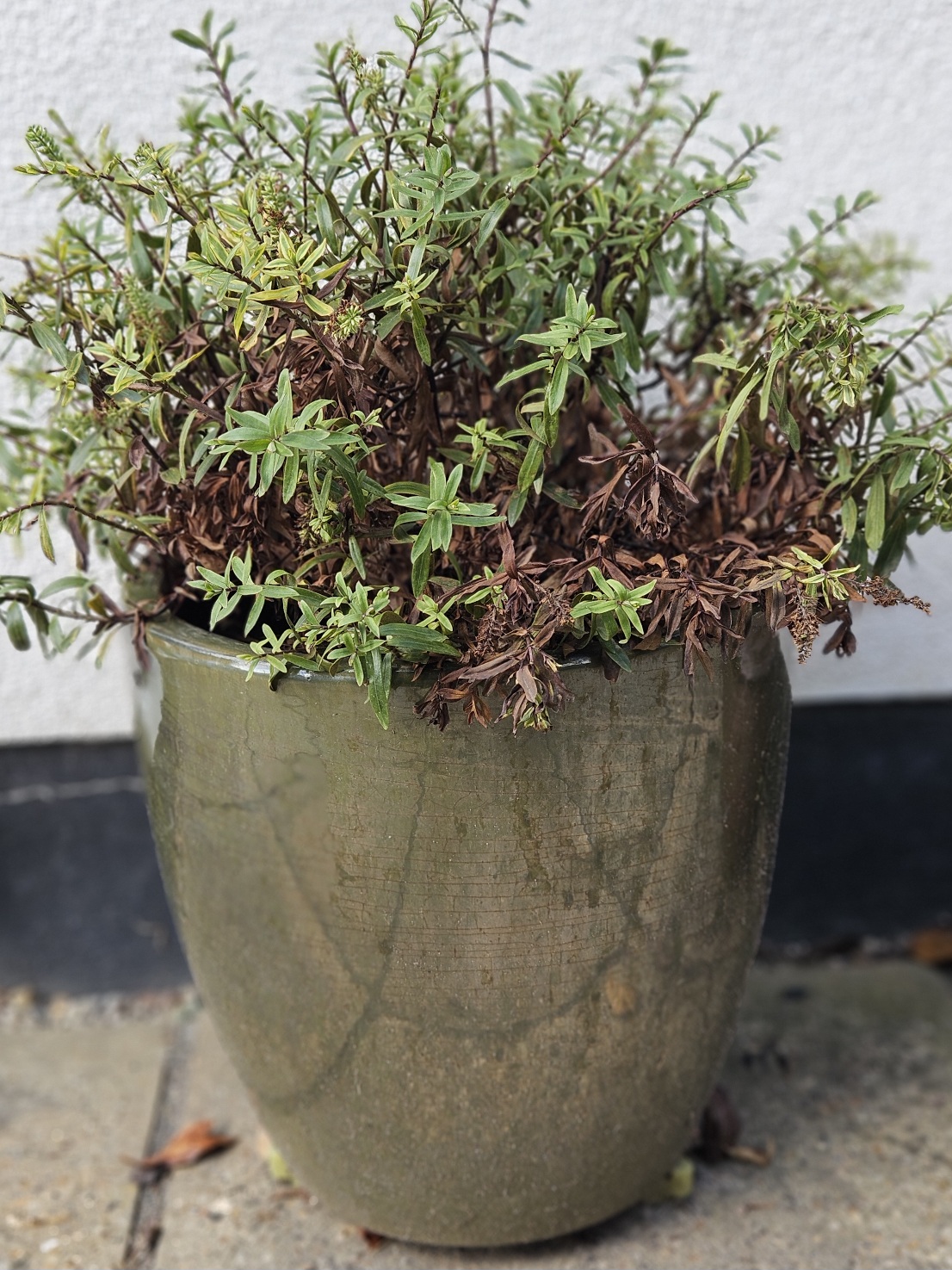
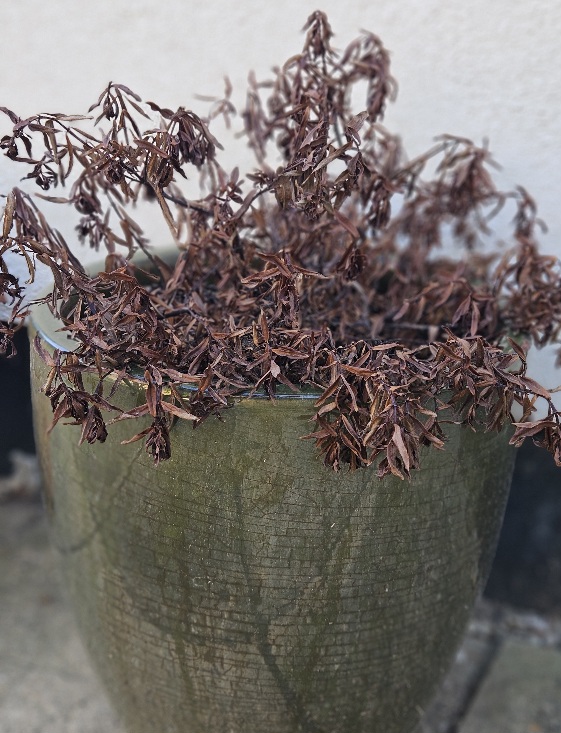
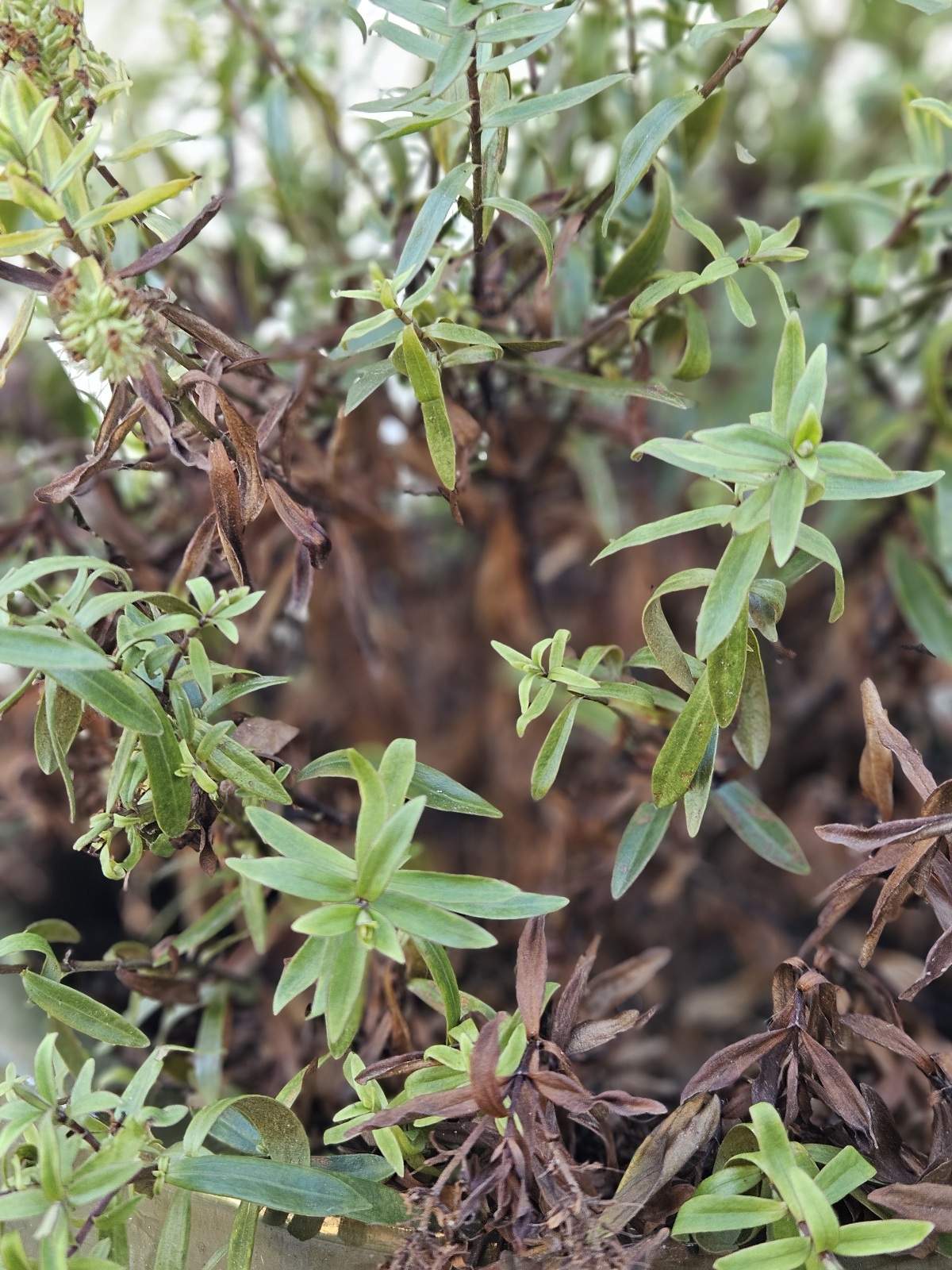
Sorry to hear you've lost one hebe and are watching the second follow the same path; that's always frustrating when a plant has clearly been thriving for months beforehand. From your description and the photos, this has the classic hallmarks of a plant that has been pushed through several extremes of stress in a short time, and I'd say it's very unlikely to be a single, simple cause like straightforward overwatering.
Why hebes cope with heat better than most people expect
Hebes originate from New Zealand, where many species grow on exposed hillsides, scrubland and coastal cliffs. That background makes them genuinely tough plants that can shrug off strong sun, wind and salt spray, and they're naturally tolerant of poor soils and will grow virtually anywhere. So the heat itself during those 32C spells shouldn't have been enough on its own to kill an established, well-rooted hebe, particularly one that had already flowered well for you this year. That resilience is exactly why this looks like something more layered than heat stress alone.
Where the real damage likely happened
The more telling detail in your post is the sequence you describe. A long dry spell where the soil was drying out quickly, followed by watering that may have swung between too little and too much as you tried to keep up with the heat. Hebes can become drought-stressed in dry summers, resulting in browning leaves or dead patches, and once a plant is drought-stressed, its root system is already compromised before a drop of extra water goes anywhere near it. If the compost then went from bone dry to saturated, even briefly, that's a genuinely difficult transition for hebe roots to cope with. The ideal is soil that stays damp but never saturated or bone dry, and swinging between those two extremes repeatedly is often what tips a stressed plant over the edge rather than either extreme on its own.
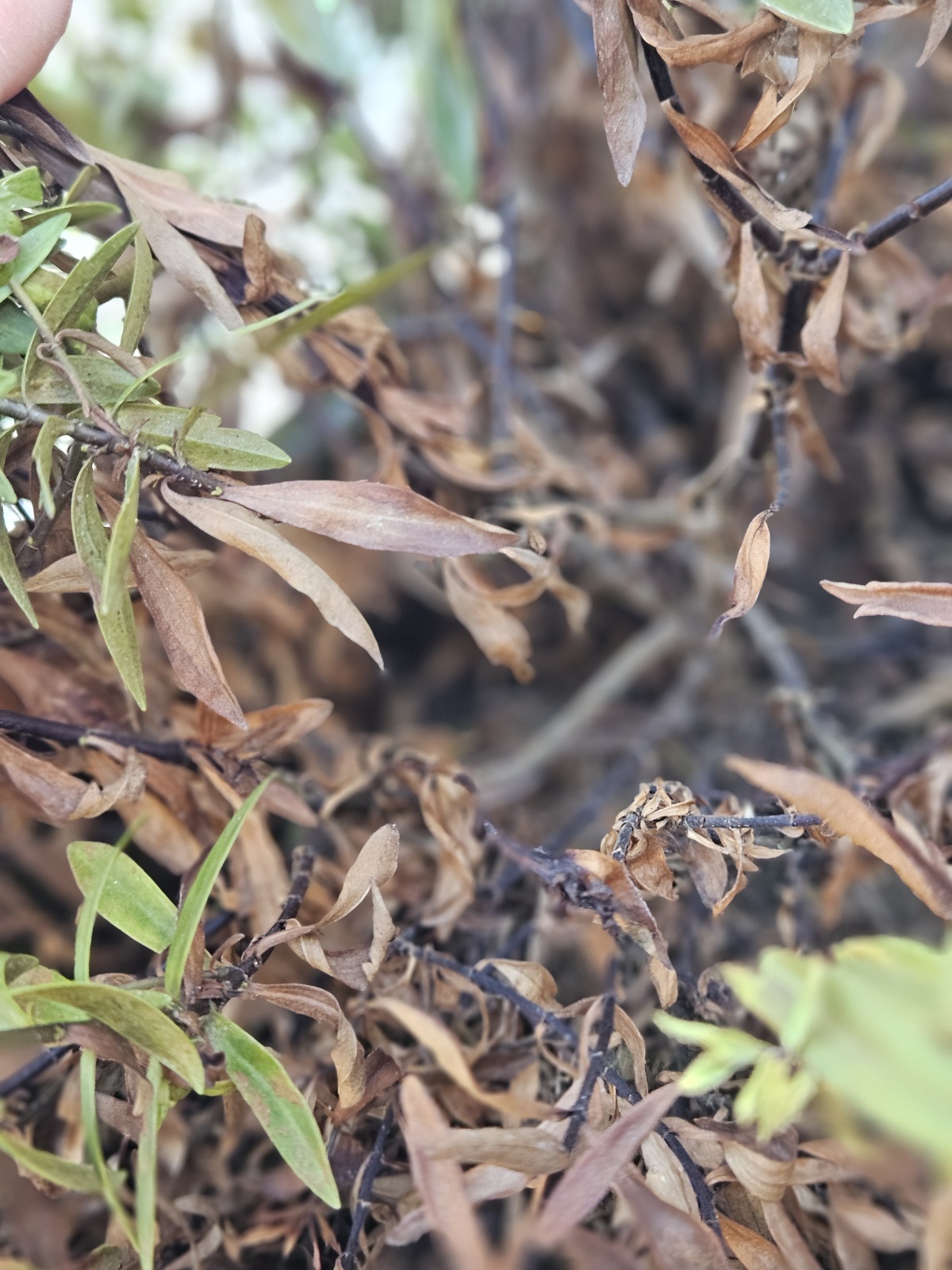
The browning, starting from the base and working upward, is a strong clue here, too. That pattern usually points to root damage rather than leaf scorch from the sun, because the plant loses its ability to move water and nutrients up through the stems when the root system is struggling. Foliage that has been sun-scorched tends to brown from the tips and the side facing the sun inward, whereas dieback that begins low down and spreads upward is much more typical of stressed or rotting roots underneath.
Could it be root rot?
It's worth mentioning root rot as another likely explanation, especially since the second hebe is now following the same pattern as the first. A hebe suffering from root rot will show browning throughout the stems and leaves, with growth slowing dramatically, and digging up an affected plant usually reveals roots that have turned black and become soft. Unfortunately, once root rot has taken hold, there's very little that can be done to bring the plant back, and the only real option is to remove and dispose of the affected plant and improve drainage before replanting. Given your pots are already on feet with a free-draining mix, I don't think poor drainage design is to blame here. It sounds far more like the sequence of drought followed by a heavy soak did the damage than any fault in how you set up the pots.
What I'd do now
For the second hebe, I'd hold off on any more heavy watering and instead check the compost a few inches down with your finger before adding anything. If it still feels damp, leave it alone entirely. If the browning continues to spread despite that, it's likely already lost, and the kindest thing is to take it out before it affects anything nearby it's potted with. When you do replant, going a touch more restrained with watering during future heatwaves, little and often rather than one big soak after the compost has gone completely dry, will help the roots stay more stable through those swings. Hebes are forgiving plant once established, so don't let this put you off trying again.
Hope that helps explain what's likely gone on.
Lee Garden Ninja
Hi there,
Sorry to hear you've lost one hebe and are watching the second follow the same path; that's always frustrating when a plant has clearly been thriving for months beforehand. From your description and the photos, this has the classic hallmarks of a plant that has been pushed through several extremes of stress in a short time, and I'd say it's very unlikely to be a single, simple cause like straightforward overwatering.
Why hebes cope with heat better than most people expect
Hebes originate from New Zealand, where many species grow on exposed hillsides, scrubland and coastal cliffs. That background makes them genuinely tough plants that can shrug off strong sun, wind and salt spray, and they're naturally tolerant of poor soils and will grow virtually anywhere. So the heat itself during those 32C spells shouldn't have been enough on its own to kill an established, well-rooted hebe, particularly one that had already flowered well for you this year. That resilience is exactly why this looks like something more layered than heat stress alone.
Where the real damage likely happened
The more telling detail in your post is the sequence you describe. A long dry spell where the soil was drying out quickly, followed by watering that may have swung between too little and too much as you tried to keep up with the heat. Hebes can become drought-stressed in dry summers, resulting in browning leaves or dead patches, and once a plant is drought-stressed, its root system is already compromised before a drop of extra water goes anywhere near it. If the compost then went from bone dry to saturated, even briefly, that's a genuinely difficult transition for hebe roots to cope with. The ideal is soil that stays damp but never saturated or bone dry, and swinging between those two extremes repeatedly is often what tips a stressed plant over the edge rather than either extreme on its own.
The browning, starting from the base and working upward, is a strong clue here, too. That pattern usually points to root damage rather than leaf scorch from the sun, because the plant loses its ability to move water and nutrients up through the stems when the root system is struggling. Foliage that has been sun-scorched tends to brown from the tips and the side facing the sun inward, whereas dieback that begins low down and spreads upward is much more typical of stressed or rotting roots underneath.
Could it be root rot?
It's worth mentioning root rot as another likely explanation, especially since the second hebe is now following the same pattern as the first. A hebe suffering from root rot will show browning throughout the stems and leaves, with growth slowing dramatically, and digging up an affected plant usually reveals roots that have turned black and become soft. Unfortunately, once root rot has taken hold, there's very little that can be done to bring the plant back, and the only real option is to remove and dispose of the affected plant and improve drainage before replanting. Given your pots are already on feet with a free-draining mix, I don't think poor drainage design is to blame here. It sounds far more like the sequence of drought followed by a heavy soak did the damage than any fault in how you set up the pots.
What I'd do now
For the second hebe, I'd hold off on any more heavy watering and instead check the compost a few inches down with your finger before adding anything. If it still feels damp, leave it alone entirely. If the browning continues to spread despite that, it's likely already lost, and the kindest thing is to take it out before it affects anything nearby it's potted with. When you do replant, going a touch more restrained with watering during future heatwaves, little and often rather than one big soak after the compost has gone completely dry, will help the roots stay more stable through those swings. Hebes are forgiving plant once established, so don't let this put you off trying again.
Hope that helps explain what's likely gone on.
Lee Garden Ninja
 Lee Burkhill: Award Winning Designer & BBC 1's Garden Rescue Presenters Official Blog