Hi @pe7e
Welcome, and please don't worry about being new here. We've all been exactly where you are now, staring at a garden that feels completely overwhelming and wondering where on earth to start. The good news is that you've already taken the most important step by reaching out for help, and I promise you that transforming these spaces doesn't have to cost a fortune or consume all your time.
Start Small and Be Kind to Yourself
First things first: forget about tackling the entire garden at once. That's a recipe for burnout and disappointment. Instead, let's focus on these two specific areas you've mentioned, and we'll approach them in the most manageable, affordable way possible. Gardens are meant to bring joy, not stress, and there's absolutely no rush to get everything perfect immediately.
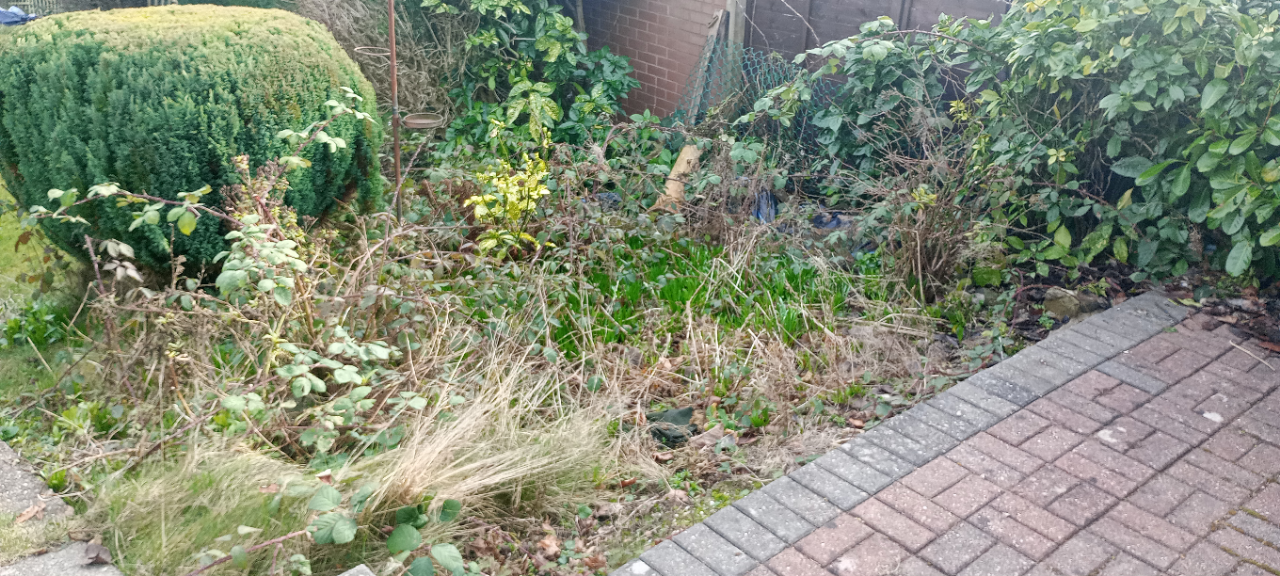
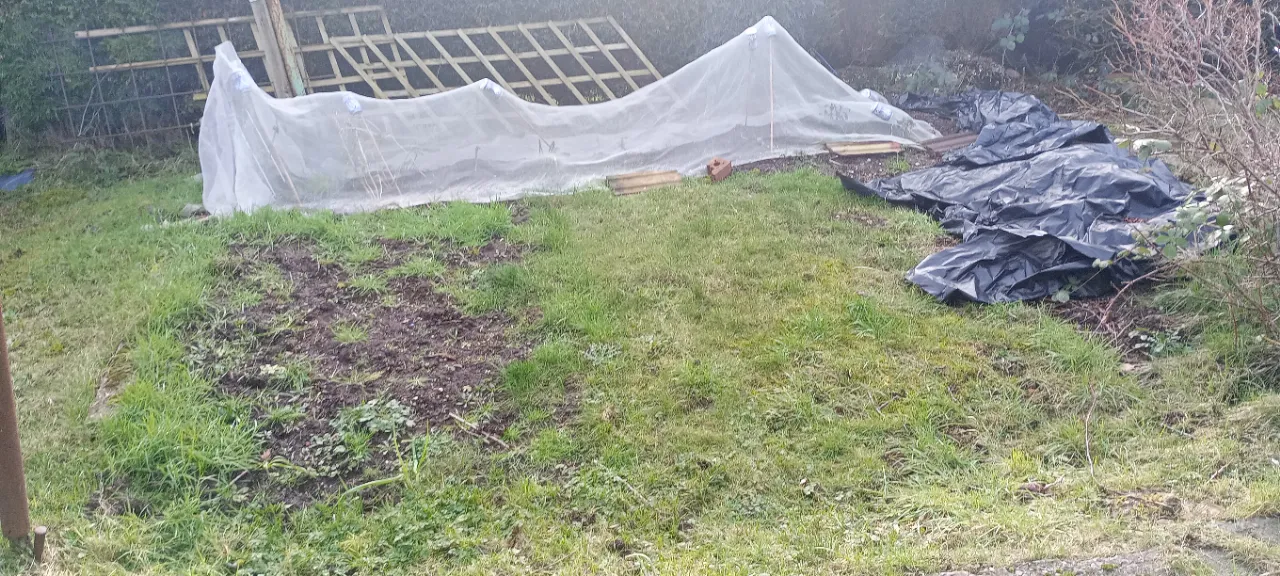
From your photos, I can see Area 1 has some established shrubs which is actually brilliant news. That's your foundation already in place, and it means you don't need to start from scratch. Area 2, your former vegetable patch, is a blank canvas that's ready for something far more forgiving than hungry veg plants.
Why Vegetables Might Not Have Been the Answer
Here's something most gardeners learn the hard way: vegetables are demanding little beggars. They need constant attention, regular feeding, consistent watering, pest management, and they have to be replanted every single year. If life gets busy, domestic situations change, or you simply don't have the time or budget for all that input, vegetable growing quickly becomes a chore rather than a pleasure. There's no shame whatsoever in deciding it's not for you.
What you need instead are herbaceous perennials and suitable shrubs. These are the workhorses of a sustainable, low maintenance garden. Once they're established (usually after one growing season), they largely look after themselves. They come back year after year, they don't need replanting, most don't need feeding if your soil is reasonable, and they'll forgive you if life gets hectic and you can't tend to them for a few weeks. This is gardening that works with your life rather than demanding you work around it.
Practical Steps for Your Two Areas
For Area 1, you've already got shrubs in place, which means you just need to fill in around them with perennials that'll knit together and suppress those weeds naturally. Choose plants that spread gently and cover ground effectively. You don't need an expensive designer planting plan; you need a simple, repeating pattern of three or four tough perennials that'll bulk up quickly.
For Area 2, rather than fighting to grow annual vegetables that need constant care, consider transforming it into a perennial planting bed or even a simple flowering meadow area. The soil is probably already well worked from your vegetable attempts, which means it's primed and ready for perennials to establish quickly.
Getting Started Without Breaking the Bank
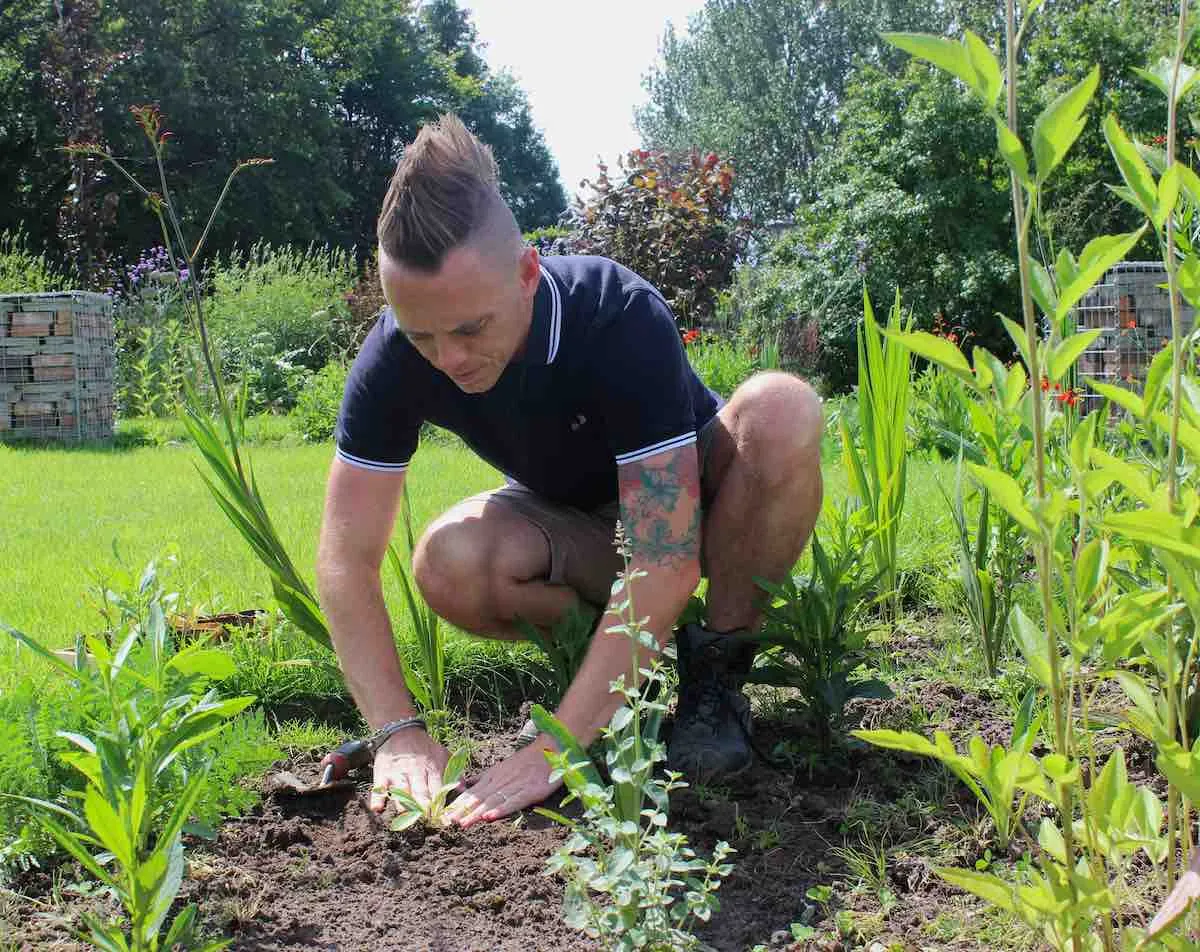
The most affordable way to fill these spaces is to buy small perennial plants or plugs in spring, which are a fraction of the cost of larger specimens. They'll bulk up within one season, and many perennials can be divided and moved around as they grow, meaning you can multiply your initial investment for free. You can also ask friends and neighbours for divisions of their established plants; most gardeners are delighted to share.
Start with one area, get a handful of reliable perennials established, and then tackle the next space once you've got your confidence up. There's no award for doing everything at once, and gardens that evolve gradually tend to have far more character than those installed in a single weekend.
https://youtu.be/h7DfM3xqfR4
Essential Reading for Your Situation
I've written extensively about perennial planting and low maintenance garden solutions. Here are some guides that'll help you work out what to plant and how to approach these spaces without spending a fortune:
My perennial planting guides cover everything from choosing tough, reliable plants through to creating simple planting plans that actually work in real gardens.
For Area 1 specifically, you might find my advice on ground cover perennials helpful, as these will fill in around your existing shrubs and suppress weeds naturally. Or my 20 best full sun perennials guide here.
If Area 2 gets good sun, you could consider some of the flowering perennials I discuss in various guides on the blog, many of which are perfect for creating a colourful, low-maintenance display that won't need the constant attention vegetables demand. Just remember with perennials plant in multiples of 3 not just one of this here and one of that there!
Dealing with Gardening Overwhelm
Please don't feel overwhelmed by your garden. Every single gardener you see with a beautiful space started exactly where you are now, probably feeling just as daunted. The difference is that they started small, chose plants that didn't demand constant attention, and built up their confidence gradually.
Focus on one small section, choose three or four bombproof perennials, get them in the ground, and let them do their thing. Once you see how forgiving and rewarding perennial gardening can be compared to the relentless demands of vegetables, you'll wonder why you ever stressed about it in the first place.
Keep us posted on how you get on, and don't hesitate to ask more questions as you work through these spaces. We're all here to help, and there's absolutely no such thing as a silly question.
All the best
Lee Garden Ninja
Hi @pe7e
Welcome, and please don't worry about being new here. We've all been exactly where you are now, staring at a garden that feels completely overwhelming and wondering where on earth to start. The good news is that you've already taken the most important step by reaching out for help, and I promise you that transforming these spaces doesn't have to cost a fortune or consume all your time.
Start Small and Be Kind to Yourself
First things first: forget about tackling the entire garden at once. That's a recipe for burnout and disappointment. Instead, let's focus on these two specific areas you've mentioned, and we'll approach them in the most manageable, affordable way possible. Gardens are meant to bring joy, not stress, and there's absolutely no rush to get everything perfect immediately.
From your photos, I can see Area 1 has some established shrubs which is actually brilliant news. That's your foundation already in place, and it means you don't need to start from scratch. Area 2, your former vegetable patch, is a blank canvas that's ready for something far more forgiving than hungry veg plants.
Why Vegetables Might Not Have Been the Answer
Here's something most gardeners learn the hard way: vegetables are demanding little beggars. They need constant attention, regular feeding, consistent watering, pest management, and they have to be replanted every single year. If life gets busy, domestic situations change, or you simply don't have the time or budget for all that input, vegetable growing quickly becomes a chore rather than a pleasure. There's no shame whatsoever in deciding it's not for you.
What you need instead are herbaceous perennials and suitable shrubs. These are the workhorses of a sustainable, low maintenance garden. Once they're established (usually after one growing season), they largely look after themselves. They come back year after year, they don't need replanting, most don't need feeding if your soil is reasonable, and they'll forgive you if life gets hectic and you can't tend to them for a few weeks. This is gardening that works with your life rather than demanding you work around it.
Practical Steps for Your Two Areas
For Area 1, you've already got shrubs in place, which means you just need to fill in around them with perennials that'll knit together and suppress those weeds naturally. Choose plants that spread gently and cover ground effectively. You don't need an expensive designer planting plan; you need a simple, repeating pattern of three or four tough perennials that'll bulk up quickly.
For Area 2, rather than fighting to grow annual vegetables that need constant care, consider transforming it into a perennial planting bed or even a simple flowering meadow area. The soil is probably already well worked from your vegetable attempts, which means it's primed and ready for perennials to establish quickly.
Getting Started Without Breaking the Bank
The most affordable way to fill these spaces is to buy small perennial plants or plugs in spring, which are a fraction of the cost of larger specimens. They'll bulk up within one season, and many perennials can be divided and moved around as they grow, meaning you can multiply your initial investment for free. You can also ask friends and neighbours for divisions of their established plants; most gardeners are delighted to share.
Start with one area, get a handful of reliable perennials established, and then tackle the next space once you've got your confidence up. There's no award for doing everything at once, and gardens that evolve gradually tend to have far more character than those installed in a single weekend.
Essential Reading for Your Situation
I've written extensively about perennial planting and low maintenance garden solutions. Here are some guides that'll help you work out what to plant and how to approach these spaces without spending a fortune:
My perennial planting guides cover everything from choosing tough, reliable plants through to creating simple planting plans that actually work in real gardens.
For Area 1 specifically, you might find my advice on ground cover perennials helpful, as these will fill in around your existing shrubs and suppress weeds naturally. Or my 20 best full sun perennials guide here.
If Area 2 gets good sun, you could consider some of the flowering perennials I discuss in various guides on the blog, many of which are perfect for creating a colourful, low-maintenance display that won't need the constant attention vegetables demand. Just remember with perennials plant in multiples of 3 not just one of this here and one of that there!
Dealing with Gardening Overwhelm
Please don't feel overwhelmed by your garden. Every single gardener you see with a beautiful space started exactly where you are now, probably feeling just as daunted. The difference is that they started small, chose plants that didn't demand constant attention, and built up their confidence gradually.
Focus on one small section, choose three or four bombproof perennials, get them in the ground, and let them do their thing. Once you see how forgiving and rewarding perennial gardening can be compared to the relentless demands of vegetables, you'll wonder why you ever stressed about it in the first place.
Keep us posted on how you get on, and don't hesitate to ask more questions as you work through these spaces. We're all here to help, and there's absolutely no such thing as a silly question.
All the best
Lee Garden Ninja
 Lee Burkhill: Award Winning Designer & BBC 1's Garden Rescue Presenters Official Blog