Welcome to the Garden Ninja Gardening Forum! If you have a gardening question that you can't find answers to then ask below to seek help from the Garden Ninja army! Please make your garden questions as specific and detailed as possible so the community can provide comprehensive answers in the online forum below.

Welcome to the ultimate beginner gardening and garden design forum! Where no gardening question is too silly or obvious. This online gardening forum is run by Lee Burkhill, the Garden Ninja from BBC 1’s Garden Rescue and a trusted group of experienced gardeners.

Whether you are a beginner or an expert gardener, it’s a safe place to ask garden-related questions for garden design or planting. If you have a problem in your garden or need help, this is the Garden Forum for you! (See forum rules & moderation policy here)

Garden Ninja forum ask a question

Posting Rules: This space is open for all garden-related questions. Please be polite, courteous and respectful. If you wouldn’t say it to your mum’s face, then don’t post it here. Please don’t promote, sell, link spam or advertise here. Please don’t ask for ‘cheeky’ full Garden redesigns here. They will be deleted.

If you need a garden design service, please use this page to book a design consultation. I will block anyone who breaks these rules or is discourteous to the Garden Ninja Community.

Join the forum below with your gardening questions!

Please or Register to create posts and topics.

Baby Oak has brown leaves, please help!

Hi!

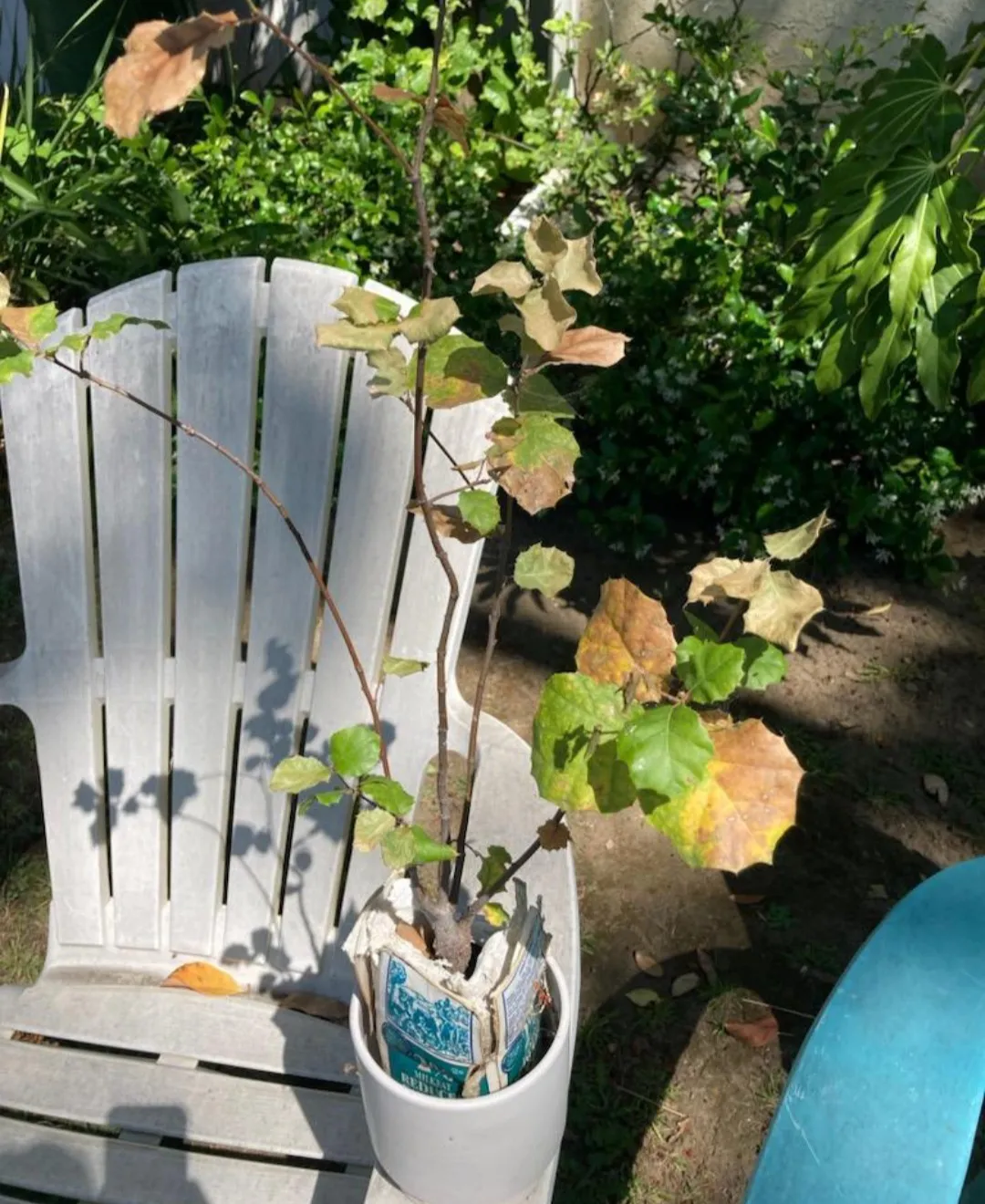
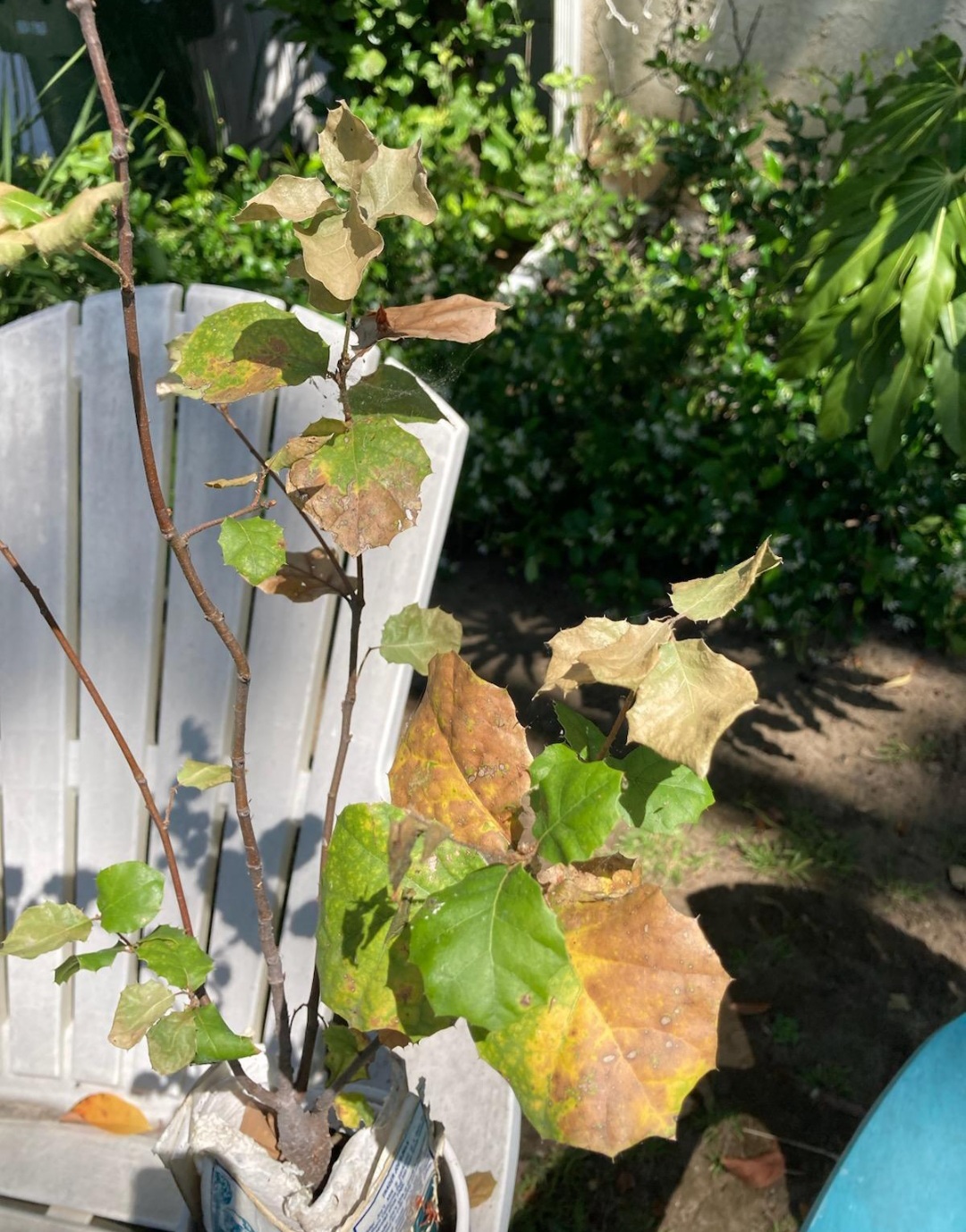
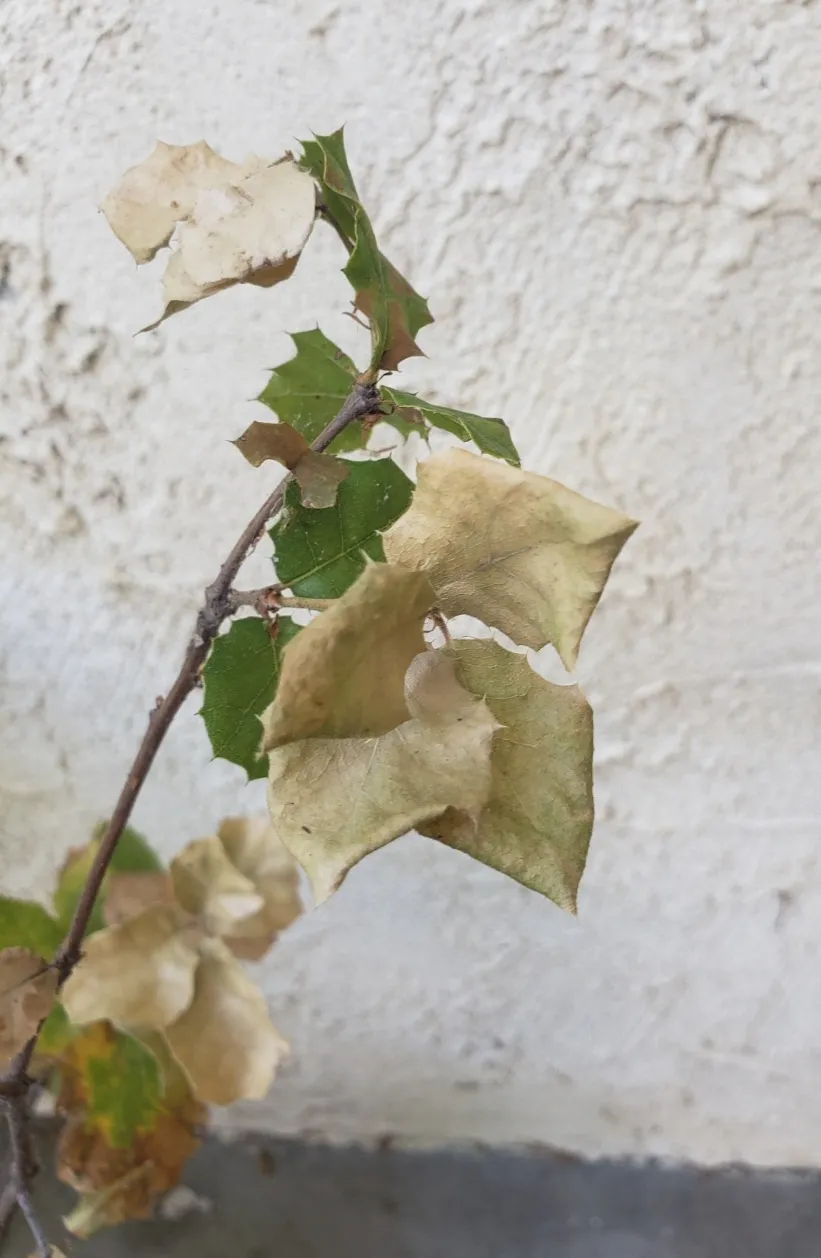
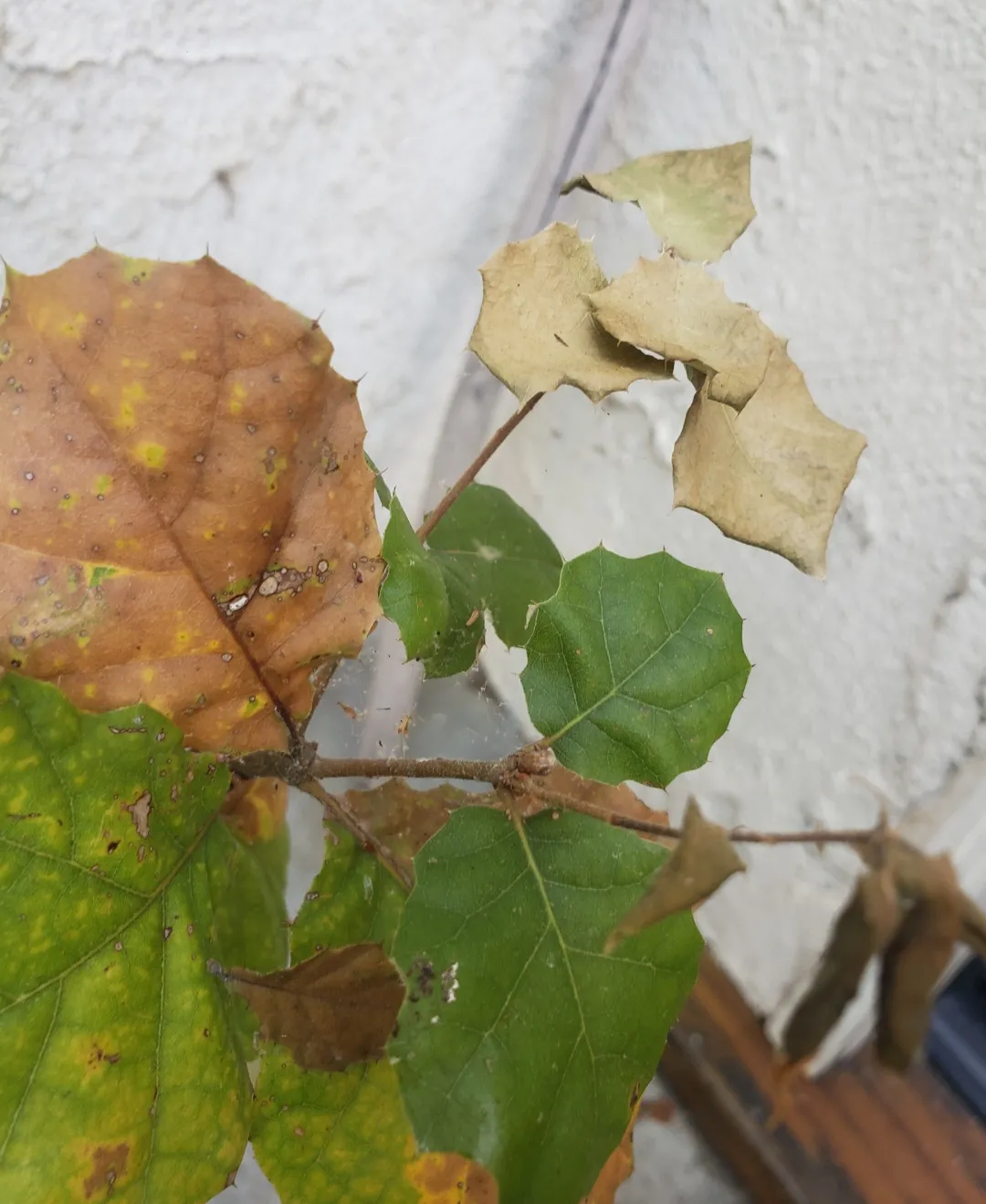
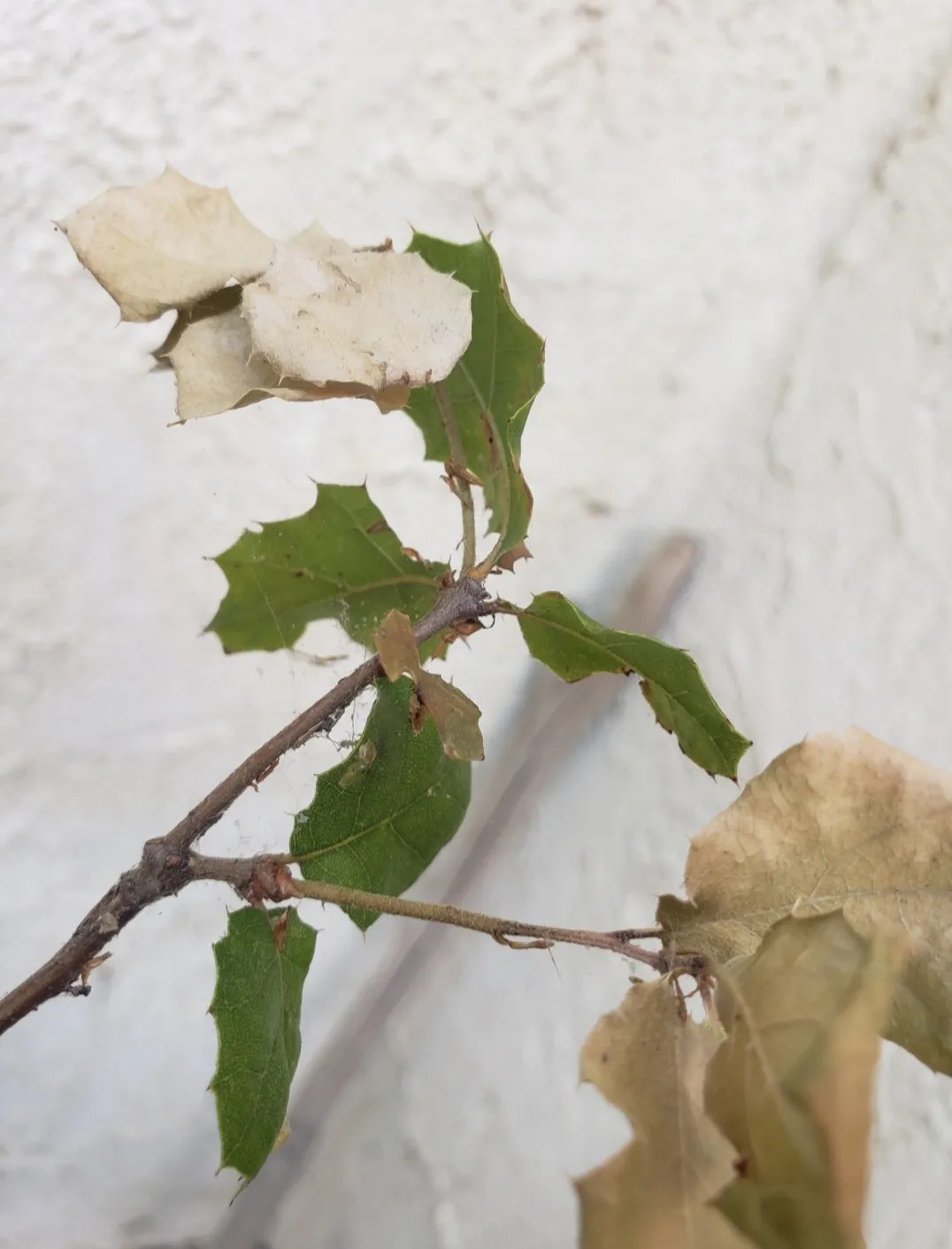
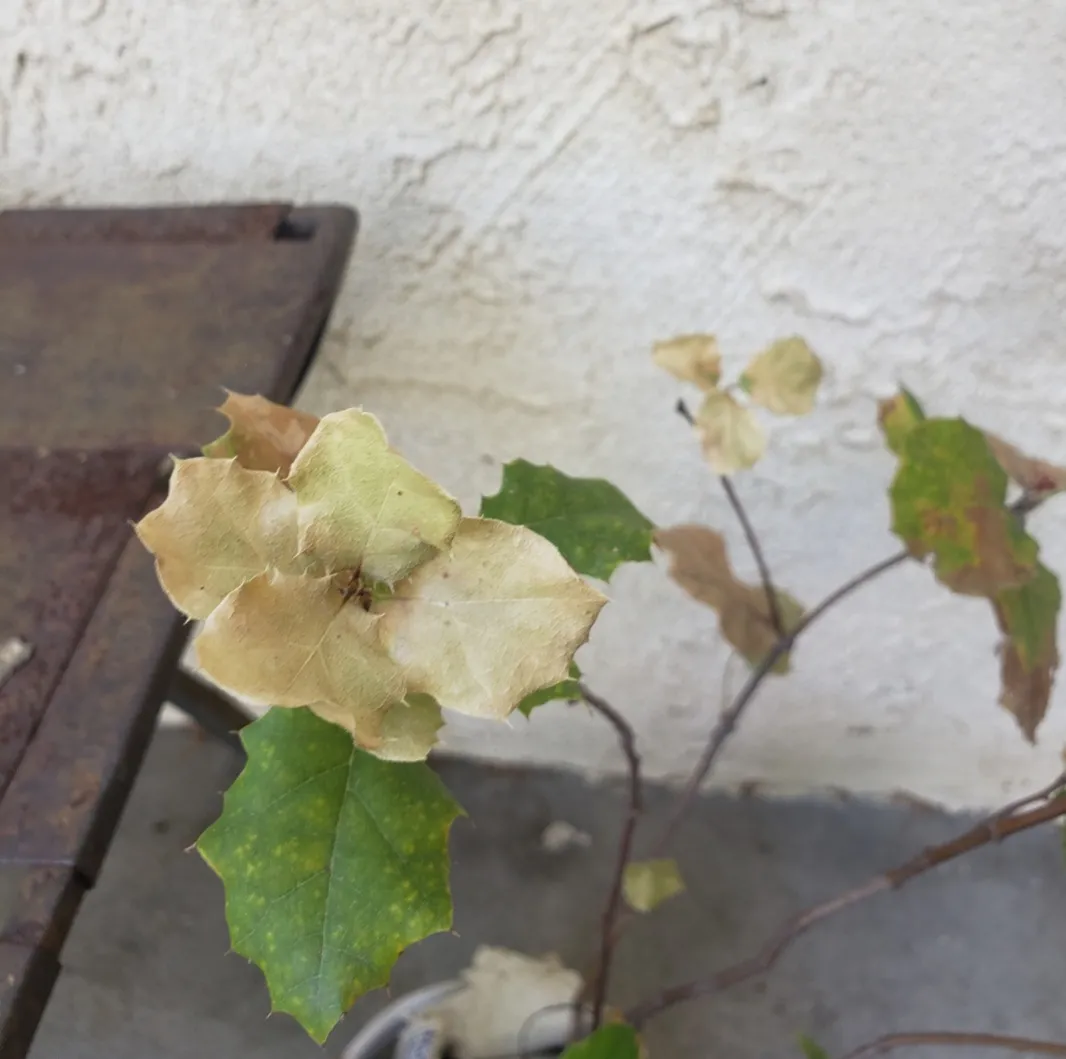
Years ago (maybe 4-5?) I sprouted an acorn which grew into a baby oak. It was started in a milk carton and has been there ever since. It's done well over the years but now it's leaves, new ones, have turned pale brown. There is also some darker, dry parts on other leaves. 

The plant is at my mom's now, and gets afternoon sun, and is watered fairly frequently but not everyday. But because the container is so small, she is cautious not to over water. It was doing fine and getting new leaves, and green, until a couple weeks ago when it started to brown. 

Wondering if it's too much water or not enough? Or scorch? It doesn't get a ton of midday sun (we're in Los Angeles) but we did have some hot days.

I noticed some little webs as well, and cleaned them off the leaves. Not sure if that's just normal or a singn of a pest. 

I also know it was overdue to be replanted. I didn't have a place in the ground to put it, but a woman in the nursery suggested I stack two nursery containers together to make a tall, new pot for it. She said if the roots are tangled to try and unwind them.

I cut it out of it's milk carton and it was fairly packed with little roots, and I slowly untangled them from their square shape at the bottom of the container. I cleaned away a lot of the dirt as it was moist and wrapped up with the roots. I gently extended the little roots and investigated the larger roots in the center (I'm guessing this is the root tap?) They were firm and fairly straight, with a little crook at the bottom, but not tangled up with themselves so I didn't cut anything or remove anything.

We soaked the new dirt (mostly potting soil with a little dirt from the yard) and repotted it. I hope so much it survives I adore this little guy but I feel so naive. I wish I had repotted it sooner. But anyway, can anyone please help? Is it too much water or not enough or anything else? Any tips how I can help it in its new home would be greatly appreciated!

Thank you!!

Hi @jamlaw

Thanks for getting in touch! Can you please upload some pictures? Then I’ll assist!

All the best

Lee

Oh sorry! I did but I realize now they didn't get submitted because they were too large. Here you go, thank you!

Uploaded files:
  • 20260416_125845.jpg
  • 20260416_125857.jpg
  • 20260416_125910.jpg
  • 20260416_125920.jpg
  • 20260416_125931.jpg
  • 20260416_125942.jpg

Hi @jamlaw

What a lovely story and what a dedicated custodian you've been to this little oak for four or five years! A true Garden Ninja!

The fact that you've taken such care over the repotting process, gently untangling the roots rather than just hacking at them, already puts you well ahead of most people in this situation. Let's work through what's happening and what you can do to give it the best chance going forward.

What the Browning Leaves Are Telling You

The pale brown new leaves and the dry, darker patches on the older foliage are almost certainly the result of two things happening at the same time. After four or five years in a milk carton, the tree will have been severely root bound, meaning the roots had completely exhausted the available space and were circling and compressing themselves rather than being able to spread and function properly.

A root bound tree cannot take up water and nutrients efficiently even when both are present, which is why you get those classic stress symptoms on the leaves despite the tree being watered regularly. Combine that with the nutrient exhaustion that comes from years in the same small volume of compost, and the leaf browning makes complete sense. The good news is that you've already addressed the root cause by repotting it.

Those Little Webs

The small webs you noticed are almost certainly spider mites, which thrive on stressed plants and in warm, dry conditions. Los Angeles in a hot spell is exactly the environment they love. They're not a death sentence but they are a sign the tree was under stress and they can accelerate leaf damage if left unchecked. Give the leaves a gentle wipe with a damp cloth and if you see them returning, a very dilute solution of washing up liquid in water misted onto the leaves will deal with them without harming the tree. Keep an eye on the undersides of the leaves in particular as that's where they tend to congregate.

The Repotting You've Done

You've done well here. Gently extending and untangling the roots rather than cutting them, soaking the new compost before planting, and moving it into a much deeper container are all the right calls. The taproots you identified in the centre are crucial for the long-term stability and health of the tree, and the fact that they were firm and straight is a very good sign.

One thing worth adding to the new potting mix going forward is a slow release granular fertiliser worked into the top layer of compost, as potting soil alone is relatively low in nutrients and an oak that has been starved for a while will benefit enormously from a gentle feed once it has had a couple of weeks to settle into its new home. Don't feed it immediately as the roots need time to adjust first.

Aftercare Right Now

Keep it out of direct harsh afternoon sun for the next few weeks while it recovers from the repotting. A bright spot with morning light and shade from the most intense afternoon sun in Los Angeles would be ideal during the recovery period. Water when the top inch or two of compost feels dry, and make sure the container has good drainage so it never sits in waterlogged soil. The leaves that have already browned won't recover but watch for new growth emerging, which will tell you the tree is settling in well.

A Gentle Word About the Future

I want to be honest with you because I think you deserve a realistic picture of where this little oak is heading. Oak trees are magnificent but they are not really suited to life in a container long term. A native oak, whether that's a North American species or a European one, is one of the largest and longest lived trees on the planet. A mature oak typically reaches 20 to 40 metres in height with a canopy spread of a similar scale, and the taproot system alone can extend many metres deep into the ground. In a container, even a generous one, the tree will eventually reach the limits of what the pot can support, and you'll face this same situation again within a few years on a larger scale.

The kindest long-term outcome for your oak would be finding it a permanent home in the ground, whether that's your own garden, a local park, a community green space, or through a tree planting charity or scheme. Many organisations in the US actively welcome donated native tree saplings. That doesn't need to happen today or even this year, but it's worth thinking about as the tree continues to grow.

For now, though, you've done a genuinely good job with a difficult situation, and this little oak is lucky to have someone who cares about it as much as you clearly do. Keep a close eye on it over the next few weeks and do post an update when the new growth comes through.

Lee Garden Ninja
 

Hi! I wanted to say THANK YOU SO MUCH for your kind, thorough reply! I'm so relieved that it's nothing horribly serious and that I tended well to the roots. I was worried I'd messed everything up.

The little oak is getting tender care in a new spot (with less intense light) and I definitely plan to plant it within the next year. Hoping to find a spot to donate it or even in my mom's backyard, if she wants it and of the location is good for it! I will be hoping for it to gain strength and then seeing what the best options are. 

I apologize for the delayed reply. I'm so grateful for your help 😊

Online garden design courses
Your subscription could not be saved. Please try again.
Your subscription has been successful.

Get My Free Garden Design Starter Checklist

The exact questions I work through at the start of every garden design project — free, straight to your inbox. Plus weekly gardening guides, seasonal tips, and exclusive course discount codes.

Lee Burkhill - Garden Ninja

Lee Burkhill

Lee Burkhill, known as the Garden Ninja, is an award-winning garden designer and horticulturist with over 30 years of gardening experience and 15 years as a professional garden designer. A qualified RHS (Royal Horticultural Society) professional, Lee specialises in sustainable garden design and practical horticultural advice. He designs and presents on BBC1’s Garden Rescue and in leading gardening publications. Lee combines three decades of hands-on gardening knowledge with professional design qualifications to help gardeners create beautiful, functional outdoor spaces.

Share this now!