Wildlife Gardens
-

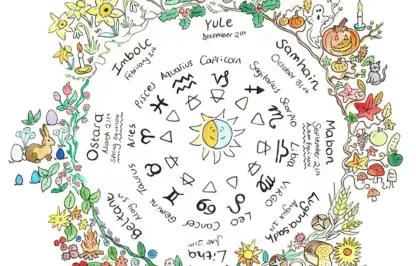
What Is the Wheel of the Year? A Gardener’s Guide
Quick Answer The Wheel of the Year is an eightfold calendar of seasonal festivals, called sabbats, that marks the turning points of the natural year, the solstices, the equinoxes and the four cross quarter days that fall between them. For a gardener it maps almost exactly onto the growing year you already live by, from […]
Read more -
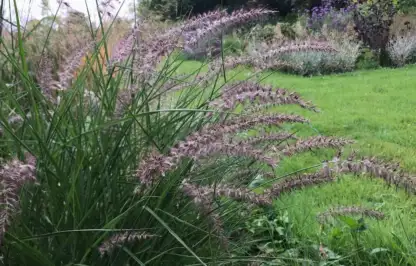
Best Ornamental Grasses for UK Gardens: 13 Top Picks
Quick Answer The best ornamental grasses for UK gardens are clump-forming varieties like Stipa tenuissima for small spaces and Miscanthus or Calamagrostis for larger borders. Most need full sun and free-draining soil, need very little feeding, and want cutting back hard each February before dividing overcrowded clumps every three to four years in spring. I […]
Read more -
How & when to cut a wildflower meadow
Quick Answer An established wildflower meadow needs cutting three times a year. Cut it short in March before growth gets going, cut it again in August once the flowers have set and dropped their seed, and give it a final tidy in October before winter. Always remove the cuttings rather than leaving them to rot […]
Read more -
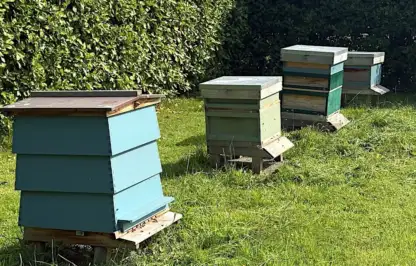
Beekeeping Equipment for Beginners: Essential UK Kit Guide
Quick Answer A beginner beekeeper needs a hive, a bee suit or jacket with gloves and boots, a smoker, a hive tool, frames and foundation, and a feeder, which together cost roughly £400 to £650 for a complete British National setup. Extraction equipment such as an uncapping knife, extractor and settling tank can wait until […]
Read more -
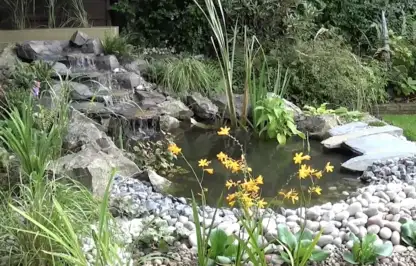
How to Create a Pond or Water Feature in Your Garden: Ultimate Beginner’s Guide
Quick Answer To create a pond, choose a spot with partial shade away from deciduous trees, dig to a minimum depth of 60cm with marginal shelves, line with butyl rubber underlay and liner, fill slowly with a hose, then add oxygenating plants and a combination filter-pump. Allow 4–6 weeks for the water to stabilise before […]
Read more -
How to create a wildlife Garden in the UK
I built my first wildlife pond when I was eleven years old. It was a biner liner pond into a corner of my parents’ back garden in Lancashire, filled with tap water and whatever aquatic plants I could find at the local garden centre. Within a fortnight, there were pond skaters on the surface and […]
Read more -
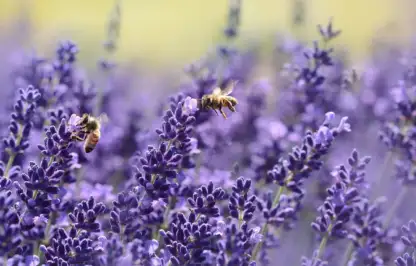
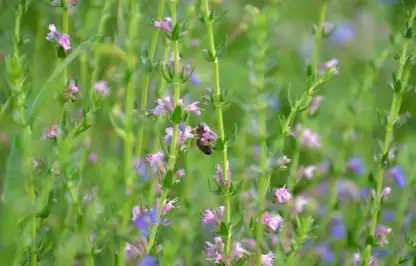
Best Plants for Bees: A Beekeeper’s Guide to Year-Round Forage
Quick Answer The best flowers for bees in the UK provide pollen and nectar from February through to November, giving both honey bees and solitary bees a continuous food source across the whole season. Single-flowered, open-faced blooms are always better than double-flowered varieties. Aim for a mix of spring bulbs, summer perennials, and late-season plants […]
Read more -
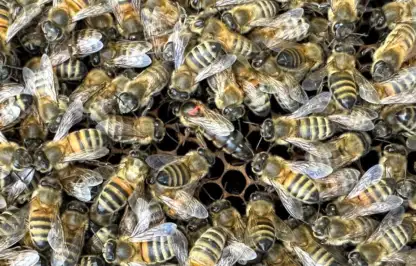
The Beginner’s Guide to Keeping Bees: UK Gardener Guide
Quick Answer To keep bees in the UK you need a National hive, a bee suit, smoker, and hive tool (budget £500 to £800 to start), plus a nucleus colony of bees from a local association. No licence is required, but you must register your hive free on BeeBase. Join your local BBKA branch before […]
Read more -
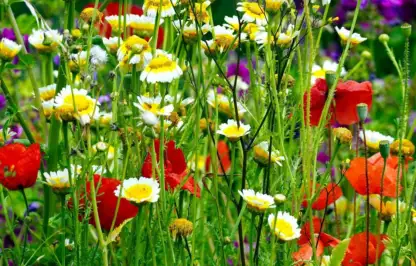
How to create a wildflower meadow – the easy way!
When you think of meadows, you may think of acres of rolling hillside, Julie Andrews, and lazy summer days. However, the wildflower meadow is under threat from the overdevelopment of green spaces. So now, a number of gardeners are looking to recreate smaller versions of these in their own gardens, helping to create a refuge […]
Read more -
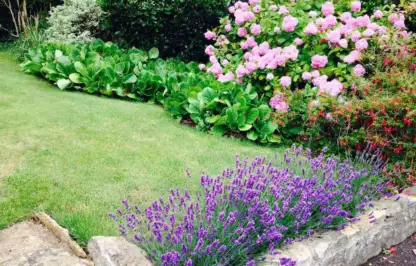
Sensory garden design: The Complete Guide to Creating Gardens That Engage All Five Senses
Sensory gardens are not just some trendy garden design concept dreamt up by fancy landscape designers with too much time on their hands. Sensory gardens are fundamentally about creating outdoor spaces that actively invite you to experience nature up close through touch, smell, hearing, taste, and sight. To enrich and awaken your senses, whether thats […]
Read more