For the garden you’ve already got, not the one you’re starting from scratch. Seven checklists and video lessons from BBC Garden Rescue’s Lee Burkhill, designed to help you decide what’s worth keeping before you spend a penny.
69


Quick Answer
A beginner beekeeper needs a hive, a bee suit or jacket with gloves and boots, a smoker, a hive tool, frames and foundation, and a feeder, which together cost roughly £400 to £650 for a complete British National setup. Extraction equipment such as an uncapping knife, extractor and settling tank can wait until your first proper harvest and typically adds another £250 to £450.
People ask me constantly what they actually need to buy before their bees arrive, and it is a fair question, because the equipment suppliers are very good at making an entire catalogue look essential on day one. In my beginner’s guide to keeping bees I covered the honest cost breakdown and the general realities of starting out. This guide goes much further into the equipment itself, item by item, with the reasoning behind each purchase and, more importantly, the reasoning behind which hive system to commit to before you spend a single penny.

I want to be upfront about something most guides skate over. Beekeeping is not a cheap hobby, and it is not one where buying the wrong equipment is a minor inconvenience you can quietly correct later. Get the hive system wrong, and you are looking at replacing frames, boxes and foundation you have already paid for, sometimes within the first season. This guide is built to stop that happening to you the way it very nearly happened to me.
Jump To
This page contains affiliate links for products I use and love. If you take action (i.e. subscribe, make a purchase) after clicking a link, I may earn some gardening commission which helps me keep the Garden Ninja Blog free for all.
Before I get into individual pieces of kit, I want to deal with the one decision that matters more than any other item on this list, because getting it wrong is expensive and awkward to undo. You will see three hive systems mentioned constantly in UK beekeeping circles: the British National, the Langstroth, and the WBC. Only one of them is the sensible choice for the overwhelming majority of beginners, and it is not the one that photographs best for Instagram.
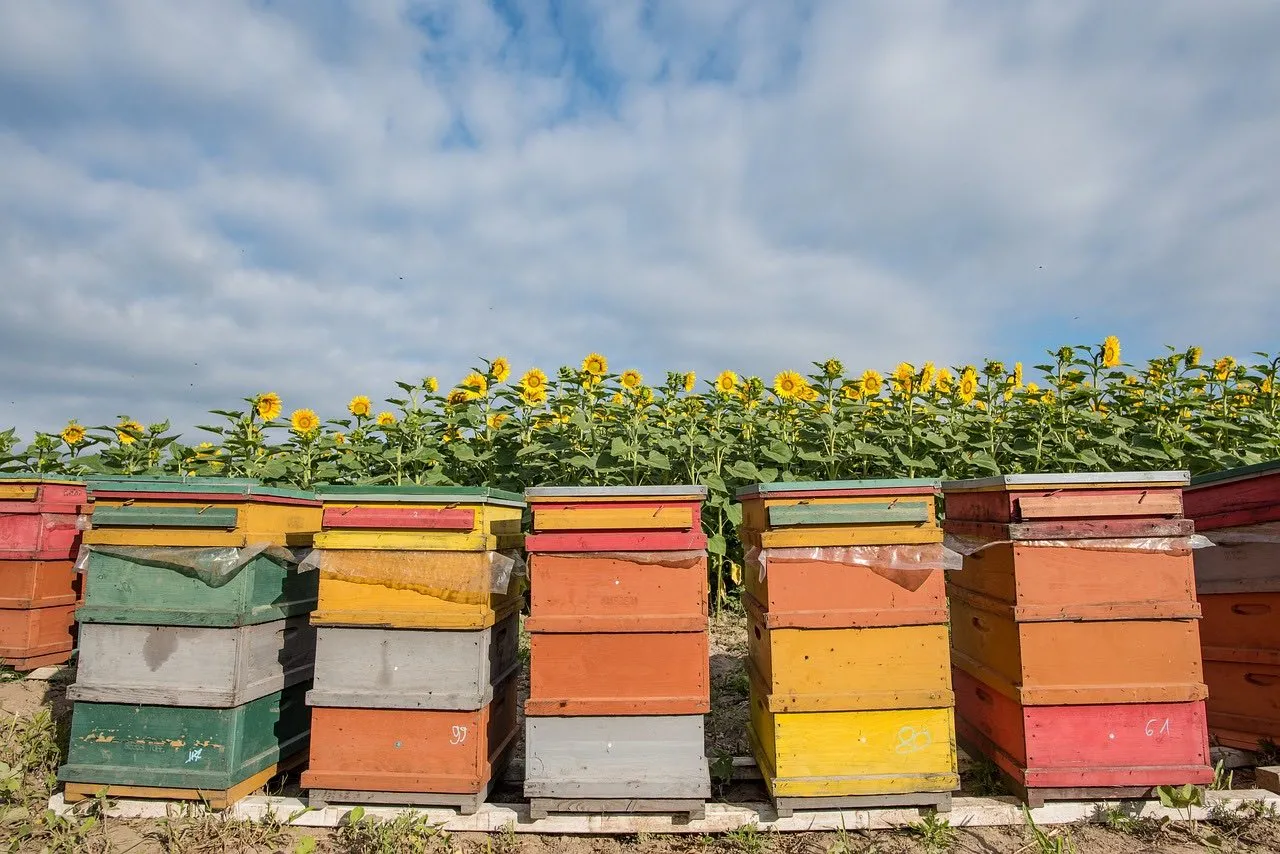
Go with the British National. It is used by somewhere around eighty percent of hobbyist beekeepers in the UK, which sounds like a dry statistic until you actually need it to be true. When I needed a replacement queen in a hurry after one of mine absconded and took half my honey stores with her, I could ring round local beekeepers, and almost every single one of them had National frames sitting spare that would drop straight into my hive. When my local association runs a beginner course, the practical sessions are on National equipment. When I needed a spare crown board or brood box in an emergency, my mentor had one in his shed that fitted. None of that works if you have gone your own way with a different system.
The WBC hive is the one everybody pictures when they imagine a classic English beehive, the pretty white tiered box with the pointed roof that looks wonderful in a cottage garden. I understand the appeal completely, and I even have one myself at a show garden purely for the look of it. But a WBC is essentially a National hive’s frames dressed up inside a decorative outer casing, which means every inspection involves lifting the outer lifts off before you can even get to the actual hive underneath. It takes longer, it is heavier to work with in practice despite looking dainty, and it is simply not what I would recommend starting with when you are still learning to read a colony quickly and calmly.
The Langstroth is a properly excellent hive system and dominates commercial beekeeping globally, including plenty of serious operations here in the UK. If you are certain you want to scale up to dozens of hives eventually, there is a real argument for starting on Langstroth from day one. But for the average UK hobbyist with one or two hives in a garden or allotment, you are choosing a system that most local nucs are not sold on, that most of your beekeeping association’s spare parts will not fit, and that most of the beekeepers you will lean on for advice and emergency equipment in your first nervous season will not be using either. I have watched beginners buy Langstroth because a supplier’s starter bundle looked like better value, only to struggle to source a local nuc on the right frame size six months later.
💡 Top Tip
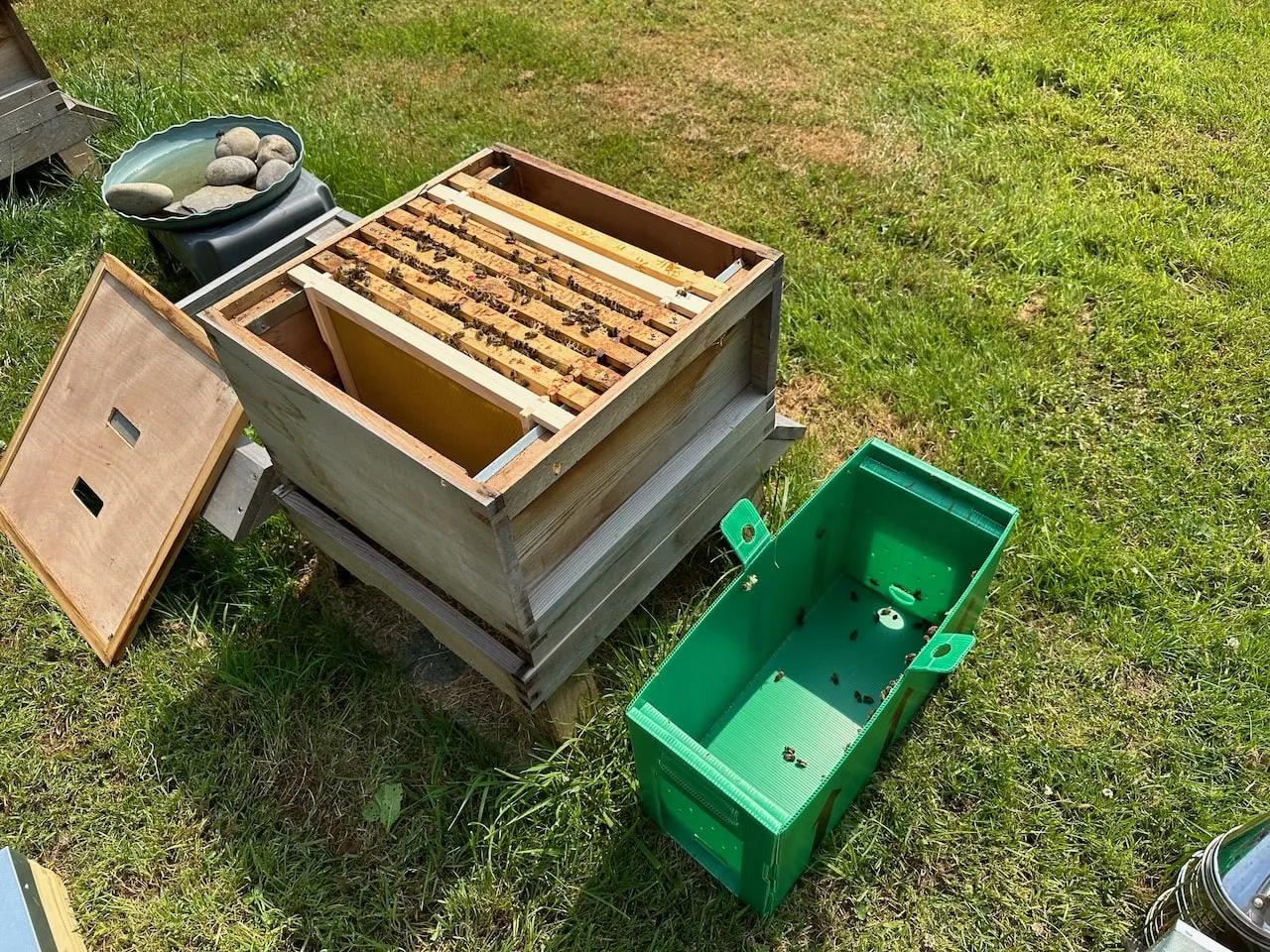
Whatever you eventually choose, do not mix systems. A beginner with one National hive, one Langstroth hive and an odd sized nuc box picked up cheaply will end up with a shed full of incompatible frames and spare parts that do not fit anything. Pick one standard early and stay on it until you have several seasons of confidence behind you.
Here is the full list at a glance, with realistic UK pricing, before I go through each item properly below. Nobody talks about the total honestly enough, so let me just put it in front of you rather than drip-feeding it item by item.
That extraction kit total does not need spending in your first month, and in most cases should not be, since you will not be harvesting anything meaningful until well into your first proper season at the earliest. Buy the hive, the protective kit and the basic hand tools first, get comfortable, and add the rest as you actually need it rather than because a starter bundle bundled it all together for you.
A complete British National starter kit gives you the brood box, at least one super, frames, wax foundation, a floor, a crown board and a roof, all built to the correct bee space measurements so nothing gets propolised shut or built over with burr comb. Buying a complete kit rather than piecing parts together from different suppliers is the single easiest way to avoid the sizing mismatches that plague beginners who try to save a few pounds by mixing and matching.
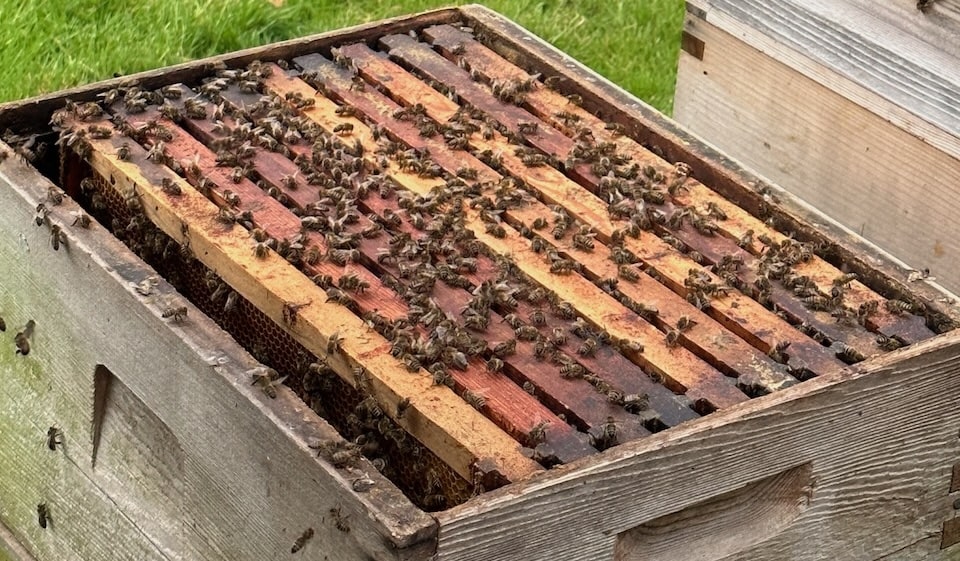
Cedar hives cost more than pine but weather considerably better without needing repainting every couple of years, which matters if your hive is going to sit outside in British weather for the next decade or more. Pine is a perfectly sensible choice for a first hive if budget is tight, provided you are prepared to treat and repaint the exterior periodically to stop it rotting. Flat pack kits are cheaper than pre assembled ones and are not difficult to put together with basic tools and an afternoon, though factor that build time in before your bees are due to arrive.
🛒 Buy a British National hive starter kit on Amazon UK
This is not the place to economise, and I say that from direct experience. I started with a cheap suit from a supplier I will not name, and I got stung through it, not because I was doing anything wrong with the bees but because the fabric itself was thin enough that an agitated bee could reach me through it. It knocked my confidence badly in my first few inspections, at exactly the point when I needed to be building it. A double mesh suit is ideal and helps keep you and the bees calm, they usually cost between £60-£100.
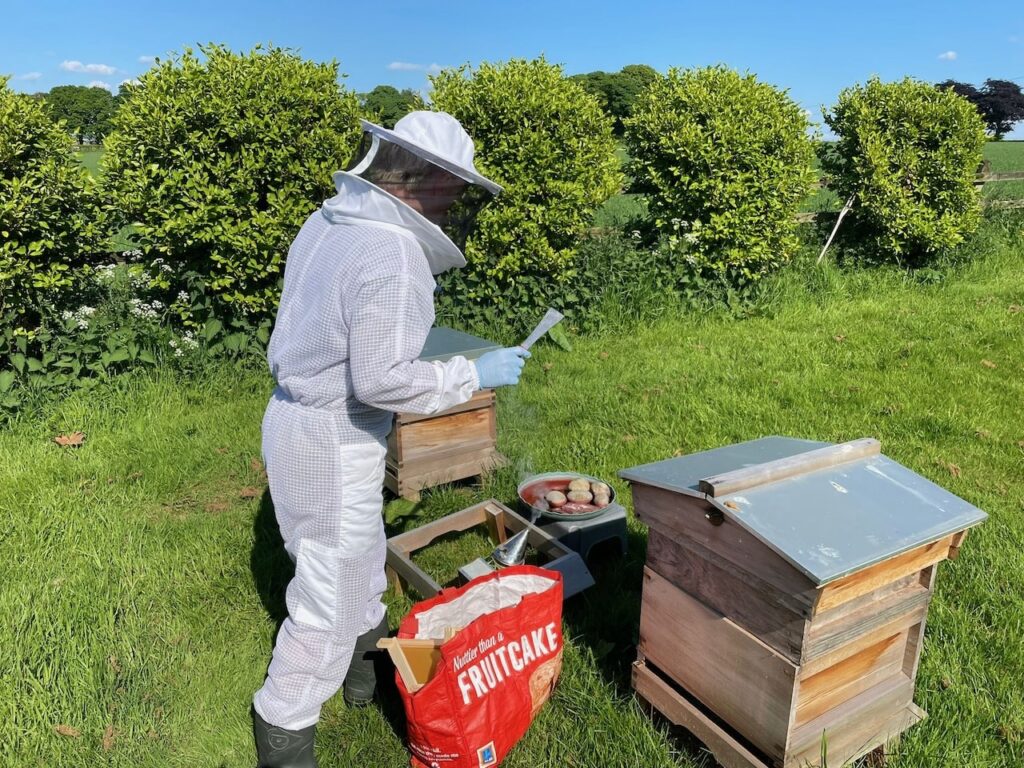
A full suit rather than a jacket is worth the extra cost for a beginner, since it removes the worry of a gap opening up at the waist as you bend and stretch during an inspection. Look for double layer mesh around the veil specifically, elasticated wrist and ankle cuffs that seal properly against gloves and boots, and a veil with properly clear visibility rather than the darker mesh some budget suits use, since you need to read the frame in front of you as clearly as possible. Gloves should be thick enough to stop a sting but still allow enough dexterity to handle a frame confidently. Wellington boots with the suit cuffs pulled down over the top complete the seal.
🛒 Buy a beekeeping suit with veil on Amazon UK
A good smoker is one of those pieces of kit you do not appreciate the value of until you are stood next to an increasingly agitated hive with one that has gone out halfway through an inspection. Smoke masks the alarm pheromone bees release and encourages them to gorge on honey stores in case they need to evacuate, both of which make them calmer and easier to work with. A smoker that will not stay lit does the opposite of its job at precisely the moment you need it most.
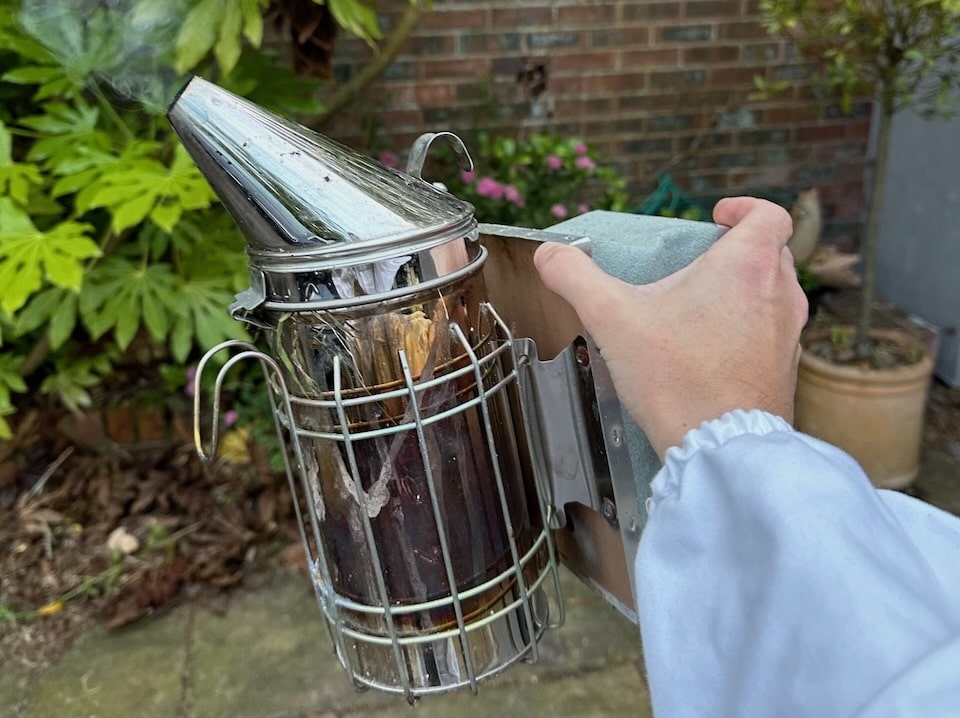
Buy a larger smoker than you think you need. A small smoker looks less intimidating on the shelf but burns through fuel far faster and needs constant relighting mid inspection, which is exactly the fiddly, smoke stained faff you do not want while also trying to handle frames. Good bellows matter more than the tin itself, since a stiff or leaky bellows makes it much harder to keep the fire going with gentle, controlled puffs rather than a violent blast that startles the colony. Use cool burning natural fuel such as untreated hessian, dried grass or cardboard rather than anything treated or synthetic.
🛒 Buy a beekeeping smoker on Amazon UK
The hive tool is the item you will reach for the most in every single inspection, and it is also the cheapest thing on this entire list, which makes it an easy one to underthink. Bees seal every gap in the hive with propolis, a sticky resin they collect specifically to glue everything shut, so prying frames, boxes and crown boards apart without a proper tool is close to impossible.

There are two common shapes on the UK market, the standard flat hive tool and the J type with a curved hook at one end for lifting frames. Both do the job well, and it largely comes down to personal preference once you have used each a few times. I would recommend buying two of whichever shape you choose, because a hive tool is exactly the sort of small, easily misplaced item that vanishes into long grass at the worst possible moment during an inspection.
🛒 Buy a stainless steel hive tool on Amazon UK
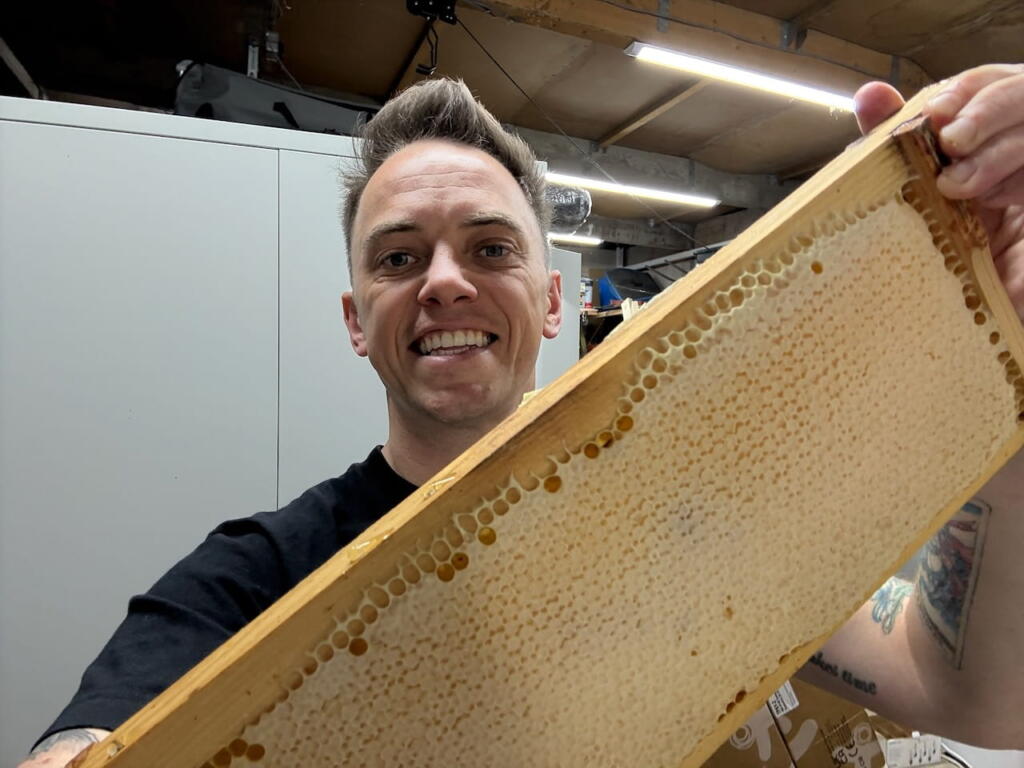
Most complete starter kits include an initial set of frames and wax foundation, but you will need more within the first season as your colony expands and as you rotate old comb out, so it is worth understanding what you are buying rather than treating it as a one-off purchase. Foundation is the thin sheet of wax, embossed with a hexagonal pattern, that gives the bees a head start and keeps the comb building straight within the frame rather than wild and cross-wired between frames.
Wired foundation is worth the small extra cost over unwired for brood frames, since the wire gives the comb structural support that stops it collapsing during a warm inspection or when the frame is tilted for a closer look. For supers, where you are less likely to be handling frames as roughly, unwired foundation is perfectly serviceable and slightly cheaper. Whichever you choose, always buy foundation cut to the correct National size, since even a millimetre out will cause fitting problems inside the frame.
🛒 Buy National frames and wax foundation on Amazon UK
A feeder is essential for a new colony, particularly a nuc that is still drawing out comb and building up numbers, and again in autumn when you are making sure the colony has enough stores to survive winter. Rapid feeders that sit directly over the crown board hole are the easiest option for a beginner, since they can be topped up without fully opening the hive and disturbing the colony each time.

Contact feeders, which invert over the hole and let bees feed through a fine mesh, work well too and tend to be cheaper, though they hold less syrup and need refilling more often. Whichever type you choose, buy one sized properly to your hive rather than a generic option, since a poor fit lets robber bees and wasps in around the edges, which can quickly turn into a much bigger problem than the feeding itself.
🛒 Buy a beehive feeder on Amazon UK
This is the equipment I would actively tell you not to buy in your first few weeks, however tempting it is to picture the harvest before you have even collected your bees. You will not be extracting anything meaningful until your colony is properly established, and for most beginners that means the following season rather than the first. Supers should be at least eighty percent capped before you even think about harvesting, and the colony needs to keep around twenty kilograms of stores back for its own winter, so patience really pays off here.
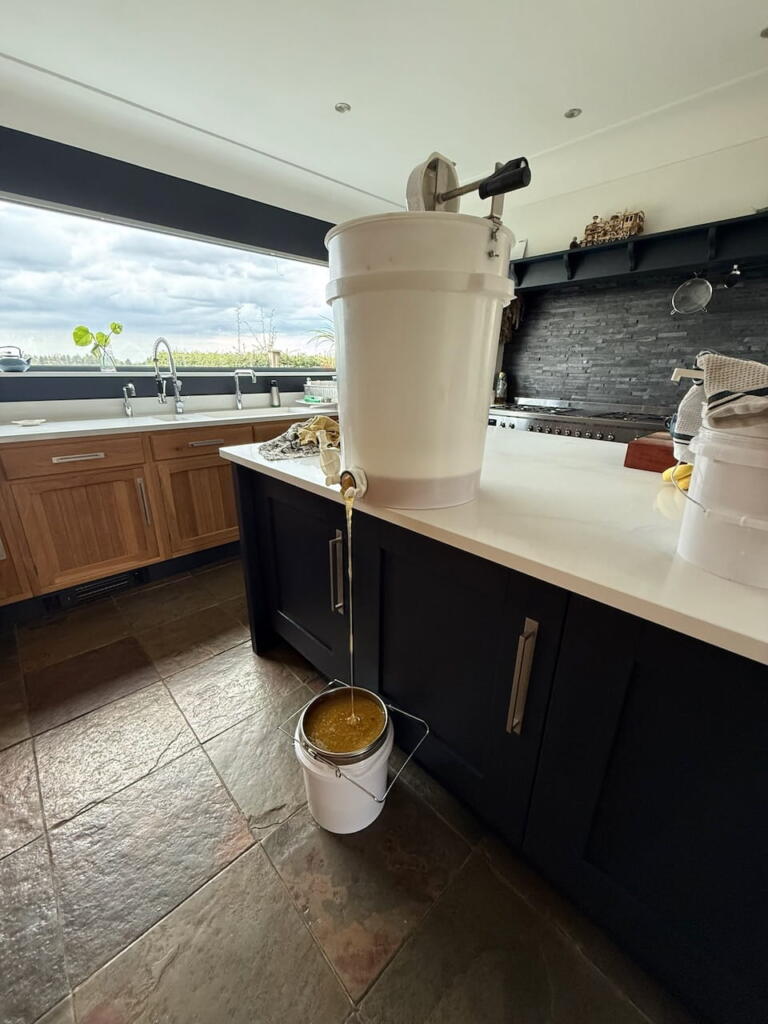
When the time does come, you need an uncapping knife or fork to slice the wax caps off each cell, a manual extractor to spin the frames and fling the honey out by centrifugal force, and a settling tank to let the honey rest and any air bubbles or wax fragments rise before straining and jarring. A basic two frame manual extractor is perfectly adequate for a single hive, and there is no need to spend on an electric or larger capacity model until you are managing considerably more colonies.

🛒 Buy a manual honey extractor on Amazon UK
A handful of smaller items round out a sensible beginner kit. A soft-bristled bee brush lets you gently move bees off a frame or off your clothing without crushing them, which a gloved hand alone tends to do. A queen marking kit, typically a small pot of quick-drying, non-toxic paint and a marking cage to hold the queen still, makes finding her again on future inspections vastly quicker, which matters enormously when you are trying to confirm she is still present and laying well.
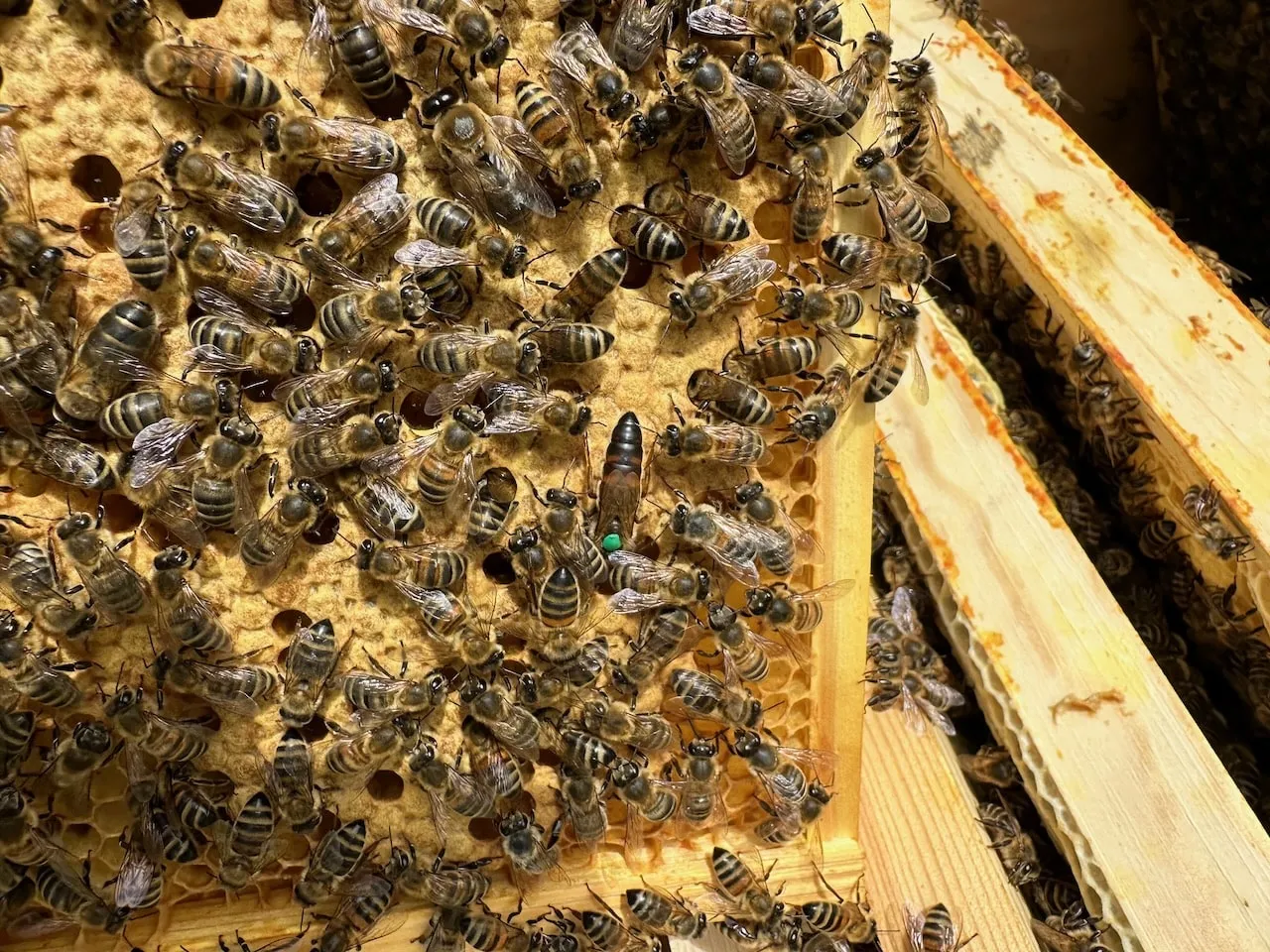
Colour-coded queen marking follows an international standard that cycles by year, which is worth knowing before you buy paint, since using the correct colour for the current year tells any beekeeper immediately how old a queen is without needing to check records. A mouse guard, a simple perforated strip that fits across the hive entrance, is a cheap fixture worth adding before winter to stop mice getting in and destroying comb while the colony is clustered and less active.
🛒 Buy a queen marking kit on Amazon UK
Second hand beekeeping equipment turns up constantly on local selling groups and at association auctions, often at a fraction of new prices, and I understand why it looks tempting when you have just seen the total on the checklist above. My honest advice as a beekeeper is to be very selective about what you buy used, because some second-hand equipment carries a genuine disease risk that new beginners are simply not equipped to assess.
Old comb and used frames are the biggest risk of all. American foulbrood and European foulbrood, two of the most serious notifiable bee diseases in the UK, can both survive for decades in old comb, and their spores are not something you can identify by eye. A previous owner may not have even known their colony was infected before it collapsed. For this reason, I would never buy second-hand frames or drawn comb from an unknown source, however good the price looks.
Hive boxes, roofs and floors are a lower risk category, since wood and metal can be scorched with a blowtorch or thoroughly cleaned to reduce contamination, and many experienced beekeepers do buy these secondhand quite happily. Protective clothing, hive tools and smokers are generally fine to buy used, since none of them come into direct contact with the colony’s comb in a way that carries disease risk. If in doubt on anything, ask your local association before you buy, since most have members who can tell you at a glance whether a piece of kit looks trustworthy.
⚠️ Disease Warning
Never buy second hand frames, drawn comb or wax foundation from an unknown source. If you suspect American or European foulbrood in your own colony, this is notifiable and you must report it to the National Bee Unit through BeeBase immediately.
Looking back at my own first year, most of my equipment mistakes were not about buying the wrong things outright, they were about buying too much, too soon, or too cheaply in exactly the wrong place. I got overly excited early on and treated my catalogue browsing like it was practical preparation, when really I would have been better off spending that time reading and talking to my mentor.
The cheap suit is the mistake I mention most often because it is the one that actually knocked my confidence, but it was not the only one. I bought a small, compact smoker because it looked neater in photos, and spent most of my early inspections relighting it instead of watching the bees. I also bought a full extraction kit before I had a single frame worth harvesting, which sat in a shed taking up space and gathering dust for the best part of a year while I focused on simply keeping the colony alive.
If I were starting again today, knowing everything I know now, I would spend properly on the suit and the hive, buy a bigger smoker than felt necessary, hold off entirely on extraction equipment until harvest was actually approaching, and put the money I saved from not over buying towards my local association’s beginner course and a full season of forgiving, patient mentorship instead. Equipment does not make a good beekeeper. Time in front of an open hive, ideally alongside someone who has made every mistake before you, does.
A complete British National hive, protective clothing, smoker, hive tool, feeder and small hand tools comes to roughly £335 to £545 for a beginner’s first year. Extraction equipment such as an uncapping knife, extractor and settling tank adds a further £250 to £450, but this can wait until your first proper harvest rather than being bought upfront.
The British National is the right choice for the vast majority of UK beginners. It is used by roughly eighty percent of hobbyist beekeepers, which means local nucs, spare parts, association support and mentor advice are almost always built around it. WBC hives look attractive but are slower and more fiddly to inspect, and Langstroth, while an excellent system globally, is far less common among UK hobbyists, making replacement parts and compatible local bees harder to source.
No. Most beginners will not have a harvestable crop of honey until their second season at the earliest, since a new colony needs to establish itself and build up sufficient stores for its own winter first. Buy the hive, protective clothing and basic hand tools first, and add extraction equipment only once a harvest is actually approaching.
Some items are safe to buy second hand and some are not. Hive boxes, roofs, floors, protective clothing, hive tools and smokers are generally fine, since they can be cleaned or sterilised. Frames, drawn comb and foundation from an unknown source should be avoided, since serious notifiable diseases such as American and European foulbrood can survive in old comb for decades without being visibly obvious.
One hive is the sensible starting point for almost every new beekeeper, allowing you to focus fully on learning to read and manage a single colony without the workload doubling. Many experienced beekeepers do recommend two hives once you have a season of confidence behind you, since it becomes possible to compare colonies and borrow resources such as brood frames between them if one falls behind.
Your bee suit. A cheap suit that lets stings through will damage your confidence at exactly the point in your first season when you need to be building it, which matters more to your long term success as a beekeeper than almost any other single purchase on this list.

Join over 100,000 gardeners on YouTube
Free gardening videos from the Garden Ninja, with 8 million views and counting.
Subscribe on YouTube, it’s freeReady to transform your gardening skills beyond bee keeping? Garden Ninja’s expertly crafted online courses will fast-track your development from keen amateur to skilled garden designer in months rather than years. Starting at just £29, you’ll gain access to professional garden design expertise from BBC Garden Rescue’s Lee Burkhill, delivered at a fraction of traditional horticultural education costs.
For the garden you’ve already got, not the one you’re starting from scratch. Seven checklists and video lessons from BBC Garden Rescue’s Lee Burkhill, designed to help you decide what’s worth keeping before you spend a penny.
Garden Design Examples for Small Gardens: 30 Design Templates & Planting Plans: In this online gardening course, I’ll walk you through 30 fantastic garden designs, explaining the logic behind the layout and plant choices, plus take-home tips for applying them in your own garden.
Learn how to transform and design your garden with Lee Burkhill’s crash course in garden design. In over 5 hours, Lee will teach you how to design your dream garden. Featuring practical design examples, planting ideas and video guides. Learn how to design your garden in one weekend!
Garden Design for Beginners Online Course: Want to become a garden designer or design your own garden? This beginner course is for you. Join me, Lee Burkhill, an award-winning garden designer, as I train you in the art of beautiful garden design. Enjoy 20 hours of online study and video lessons, along with quizzes and a completion certificate.
Choose a British National hive before you buy anything else, since that single decision determines how easily everything afterwards fits, sources and gets supported locally. Spend properly on your suit and hive, buy a smoker larger than feels necessary, and hold off on extraction equipment until a harvest is actually approaching. Budget £335 to £545 for your first year of core equipment, with extraction kit adding a further £250 to £450 when you need it. Get the fundamentals right and the rest of beekeeping becomes considerably easier to learn.
I hope this guide saves you some of the false starts and unnecessary spending I went through in my own first season. Beekeeping rewards patience and proper preparation far more than it rewards an impressive shed full of kit, and getting the hive decision right from day one will make every single purchase after it considerably easier. Happy Gardening, and happy beekeeping!

Lee Burkhill, known as the Garden Ninja, is an award-winning garden designer and horticulturist with over 30 years of gardening experience and 15 years as a professional garden designer. A qualified RHS (Royal Horticultural Society) professional, Lee specialises in sustainable garden design and practical horticultural advice. He designs and presents on BBC1’s Garden Rescue and in leading gardening publications. Lee combines three decades of hands-on gardening knowledge with professional design qualifications to help gardeners create beautiful, functional outdoor spaces.
View all posts by Lee Burkhill










JOIN THE NINJAS

Be the first in line for new Guides, Discount codes and Offers