For the garden you’ve already got, not the one you’re starting from scratch. Seven checklists and video lessons from BBC Garden Rescue’s Lee Burkhill, built to help you work out what’s worth keeping before you spend a penny.
69


This guide covers everything you need to know about topping trees, also known as crown reduction, pollarding, heading back, lopping, or simply pruning to restrict height. We’ll look at which trees respond brilliantly, which ones will just laugh at your efforts and grow back twice as fast, and why conifers are in a category entirely of their own when it comes to height restriction.
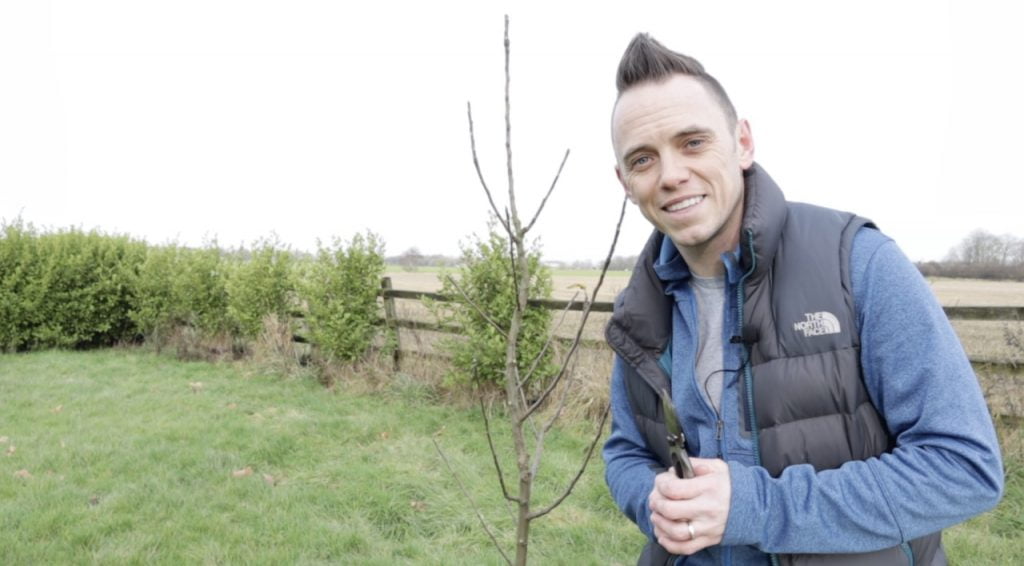
Tree topping is the process of removing the upper portion of a tree’s crown — essentially cutting off the main leader (the central vertical stem) and sometimes the main lateral branches to bring the tree’s height down to a more manageable level. The idea is straightforward: cut it shorter, keep it shorter. The reality, as ever in gardening, is a little more complicated than that.
Topping is sometimes done as a single dramatic act on an overgrown, mature tree, or it can be carried out gradually and repeatedly on younger trees to train their shape from an early age. The outcome can be either wonderful or catastrophic, depending entirely on which type of tree you’re dealing with and how the cuts are made.
Tree topping goes by quite a few different names in gardening circles, and it’s worth knowing them because they often describe slightly different techniques — even if the goal is the same. Understanding the terminology helps when you’re searching for advice, hiring a tree surgeon, or reading plant labels that give pruning guidance.
The distinction between topping (crude, indiscriminate cuts) and crown reduction (selective, skilled cuts to lateral branches) is important. Done badly, topping is genuinely harmful. Done correctly, cutting to a suitable side branch that can take over as the new leader is smart tree management, Ninjas!
Tree topping slows down your tree’s growth rather than stops it, and for some trees, it barely slows it down at all. When you remove a tree’s crown, you’re removing a massive proportion of itsleaveseawhichs are how a tree makes food.
The tree’s immediate survival response is to produce new shoots as fast as possible from dormant buds just below the cuts. These new shoots, sometimes called water sprouts or epicormic growth, can grow at a rate four to ten times faster than normal branches.
This is the frustrating paradox at the heart of tree topping. You cut it down in May, and by September, you’ve got a dense thicket of vigorous new growth that, in many cases, is heading right back to where you started. The good news is that with the right trees and with repeated annual or biannual pruning, you absolutely can keep a tree at a controlled height. It’s just a commitment, not a one-off fix.
Important: Never remove more than a quarter to a third of a tree’s canopy in a single year. Taking too much in one go starves the tree of its ability to make food and can either kill it outright or send it into a panic of weakly attached regrowth that becomes a safety hazard.
Some trees are remarkably forgiving of hard pruning and will respond by producing vigorous, manageable regrowth from the points you’ve cut. These tend to be trees that naturally produce epicormic buds — dormant growing points along stems and branches — and have evolved in habitats where they are browsed, coppiced, or cut back by flooding, fire, or animals.
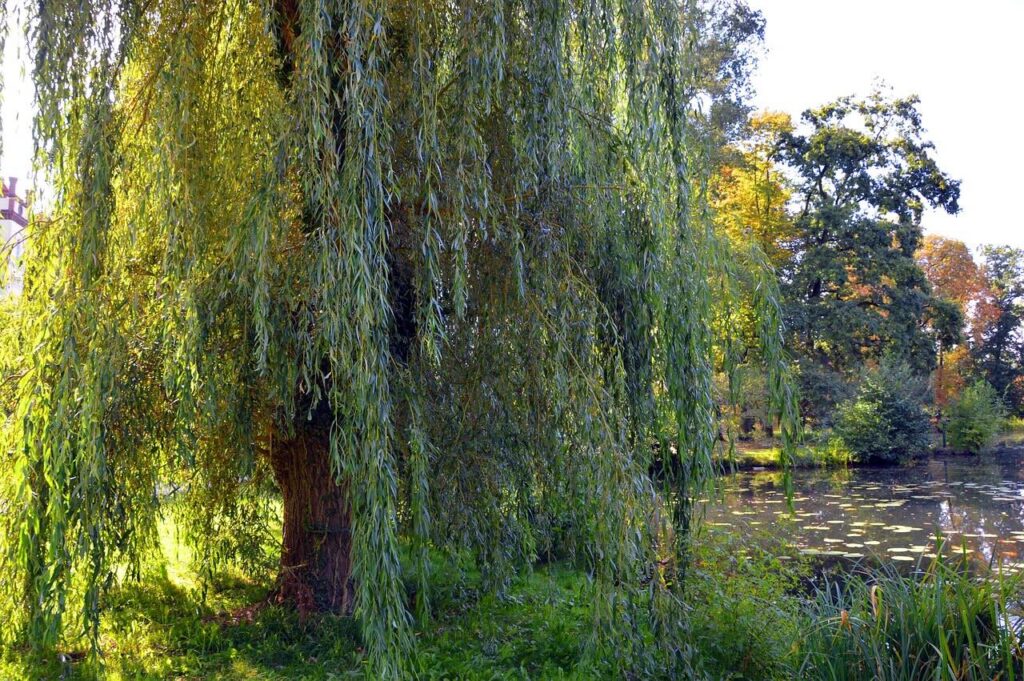
Arguably, the most amenable tree for hard cutting. Weeping willows, crack willows, and pussy willows can all be pollarded right back to the main trunk annually without batting an eyelid. Brilliant.
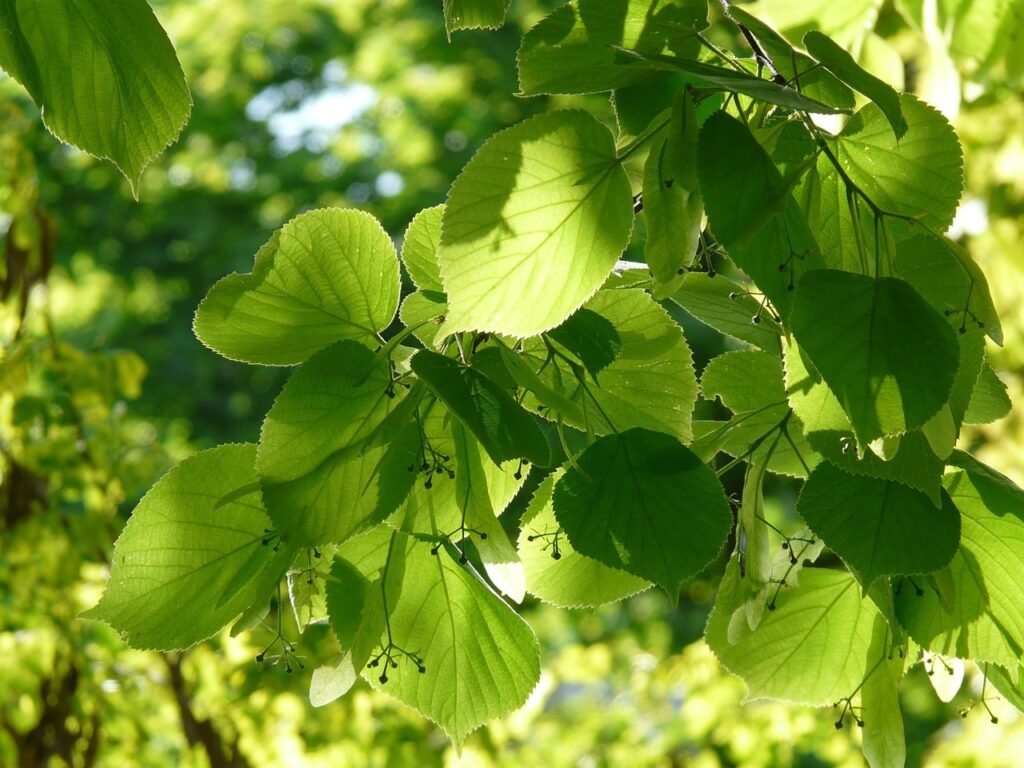
The classic street treeis for a reason. London planes and limes have been pollarded across Europe for centuries. They produce dense, vigorous regrowth from cut points and tolerate it year after year.
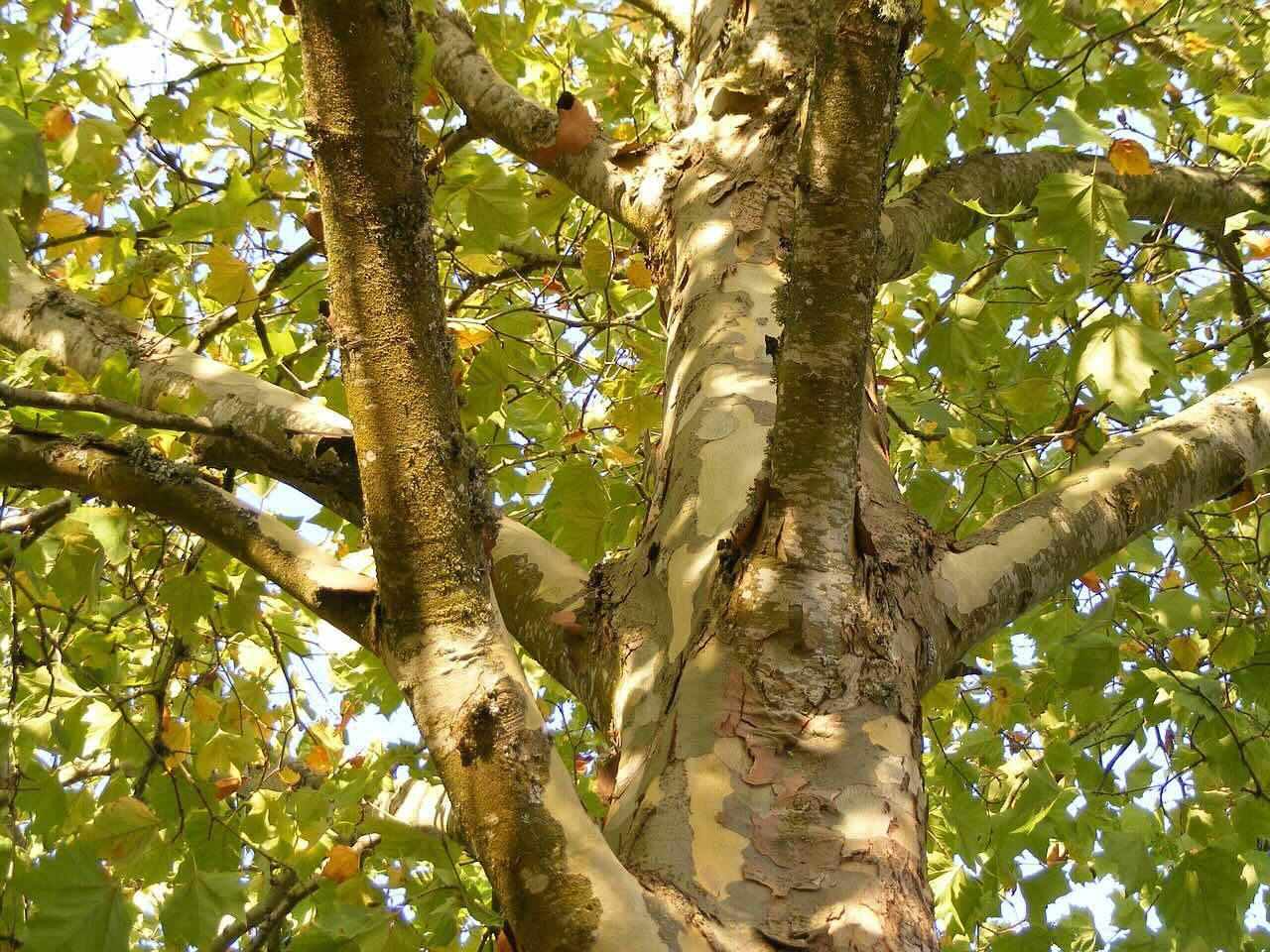
Another champion pollard tree. Every winter, you see the knuckled stumps on city streets, and every spring, they bounce back with a full, fresh crown.
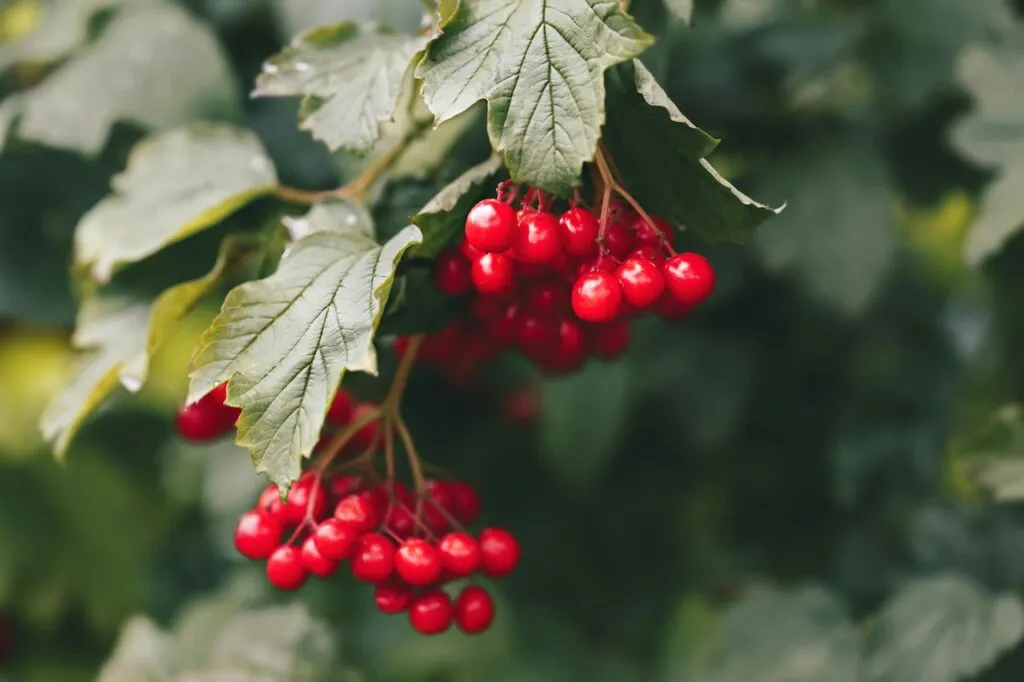
Extremely tolerant of hard cutting. You can cut it almost to the ground, nd and it comes back enthusiastically. Easy to keep at a manageable height. However, if you’re into Witchcraft, make sure to ask the Fae for permission first!
Regular pruning to reduce height isa completely normal practice in orchards. The key is cutting to an outward-facing lateral branch rather than leaving bare stubs.
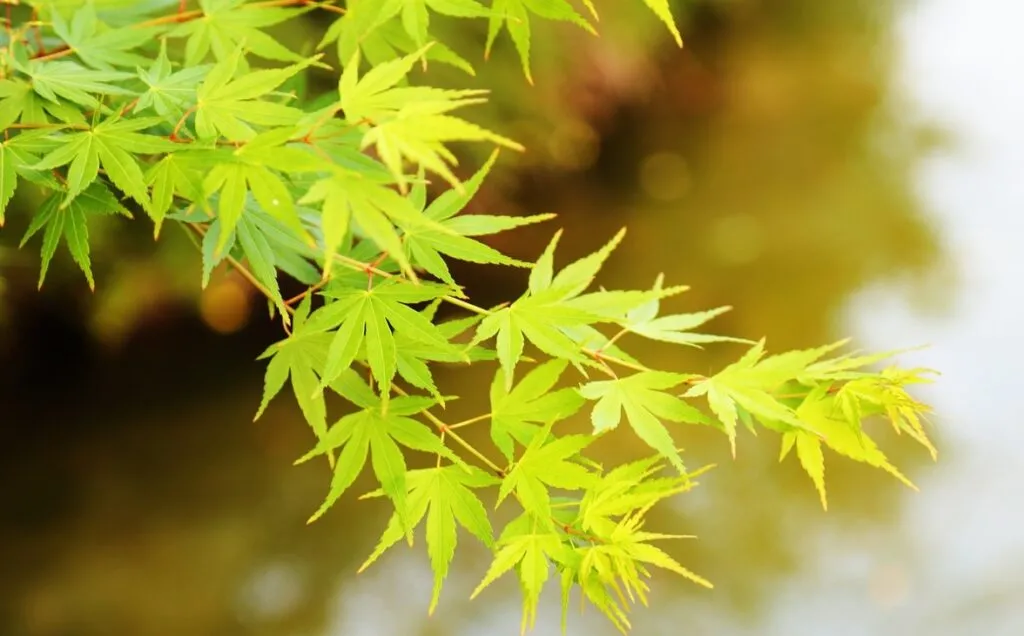
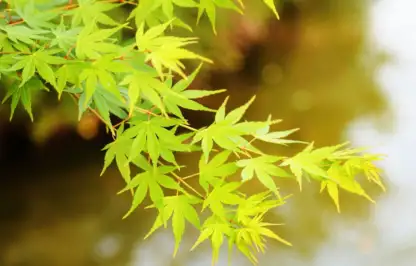
Many smaller ornamental acers can have their height managed with careful crown reduction, though avoid cutting in spring when sap is rising, and cuts can bleed.
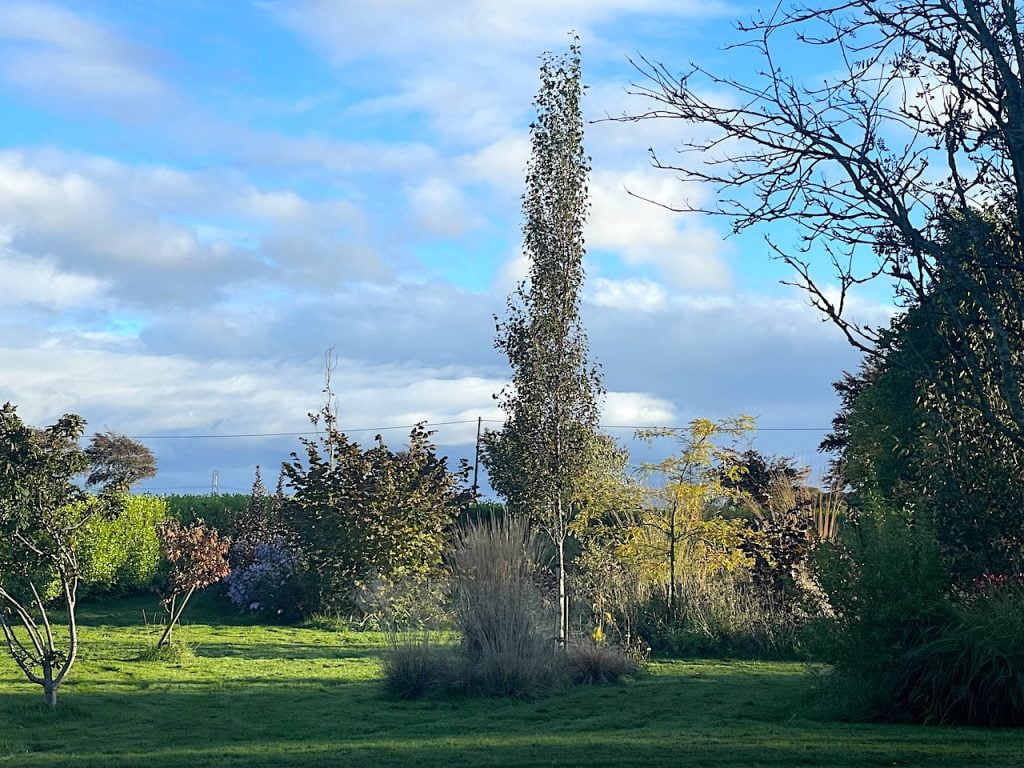
Birch responds to selective crown reduction, though it’s better to address it while the tree is young and before cuts become very large. Whilst you can top a mature tree, what you will end up with is a very blunt tugly-looking tree for 3-5 years whilst the lower branches reform the canopy.
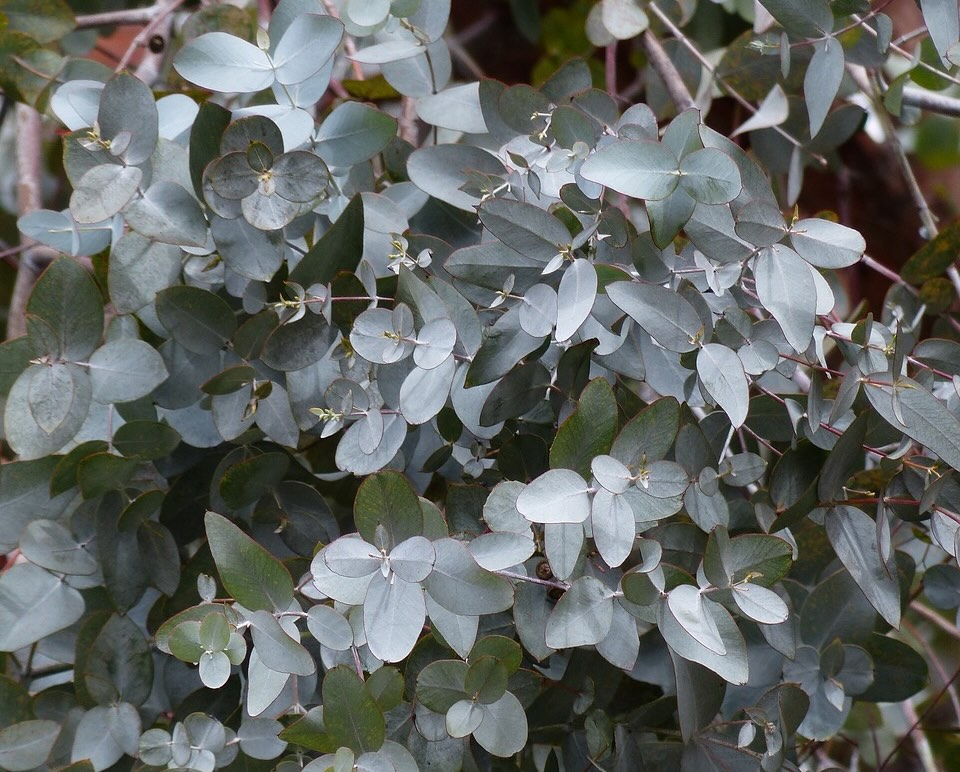
Very fast-growing and often needing management, eucalyptus responds well to coppicing or pollarding. Many gardeners coppice them annually to keep the silvery juvenile foliage and prevent them from reaching their full enormous height.
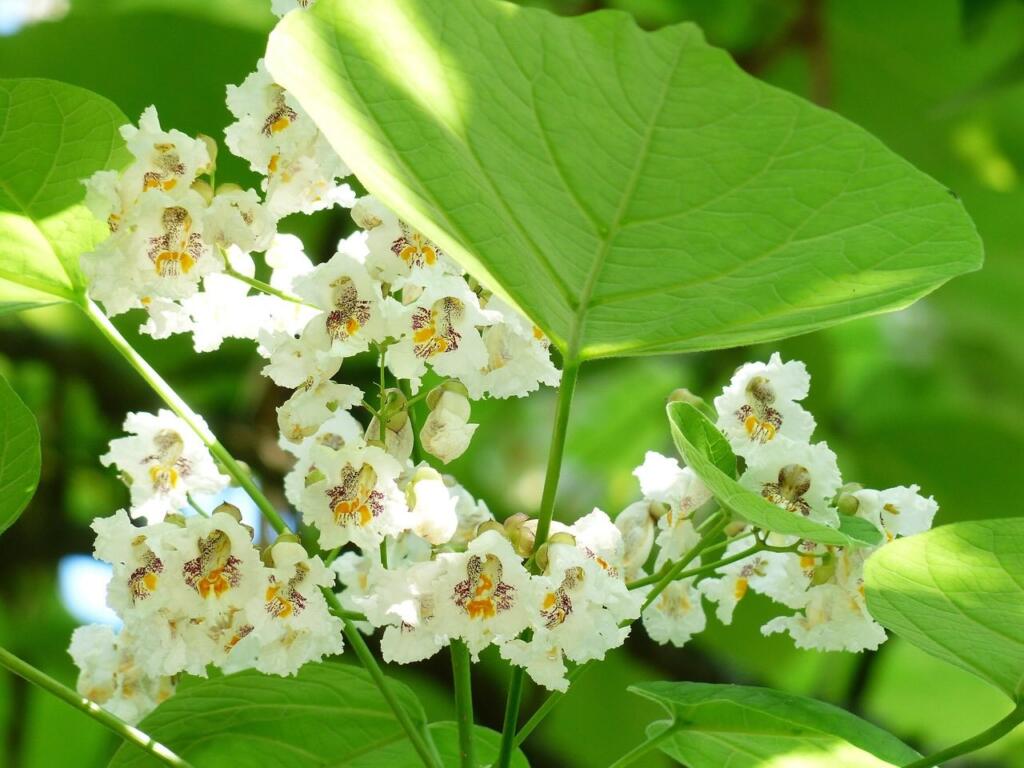
An excellent choice for pollarding, producing enormous decorative leaves when cut back hard each spring. Coppicing results in far larger leaves and a tree that, believe it or not, can be kept in a large container or pot if need be for smaller garden spaces!
And now for the difficult conversation. There are certain trees where topping is either functionally pointless, actively harmful, or frankly just fighting a battle you cannot win. These are generally large, vigorous, and deep-rooted trees that have the energy reserves of a power station and will simply rregrowto their full size given the chance. Cutting them back doesn’t curb their ambition; it just creates more vigorous, weaker, and potentially more dangerous growth.
Let me explain which trees can’t successfully be topped out in the long term. If you have these trees in a garden thats too small, the best option is to dig them up and rehome them somewhere else when they’re saplings, or get a tree surgeon to cut them down and recycle them properly.
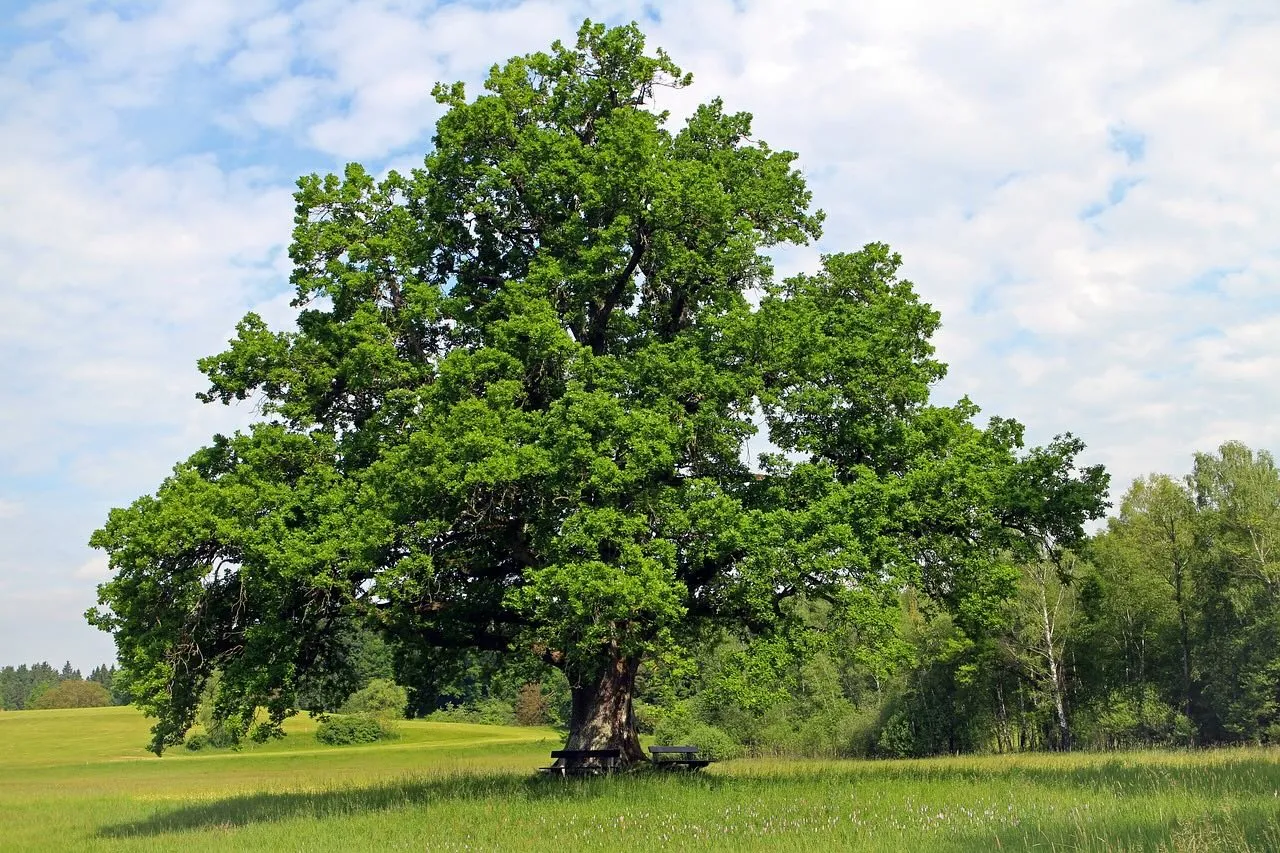
Particularly mature oaks, which are almost impossible to restrict in height long-term, meaningfully. Worse, in the UK, oaks are subject to strict protections, often covered by Tree Preservation Orders (TPOs), and you’ll need permission before pruning them. They also carry a serious risk of oak wilt if pruned at the wrong time of year. Leave mature oaks to an arborist and focus on management rather than dramatic height reduction.
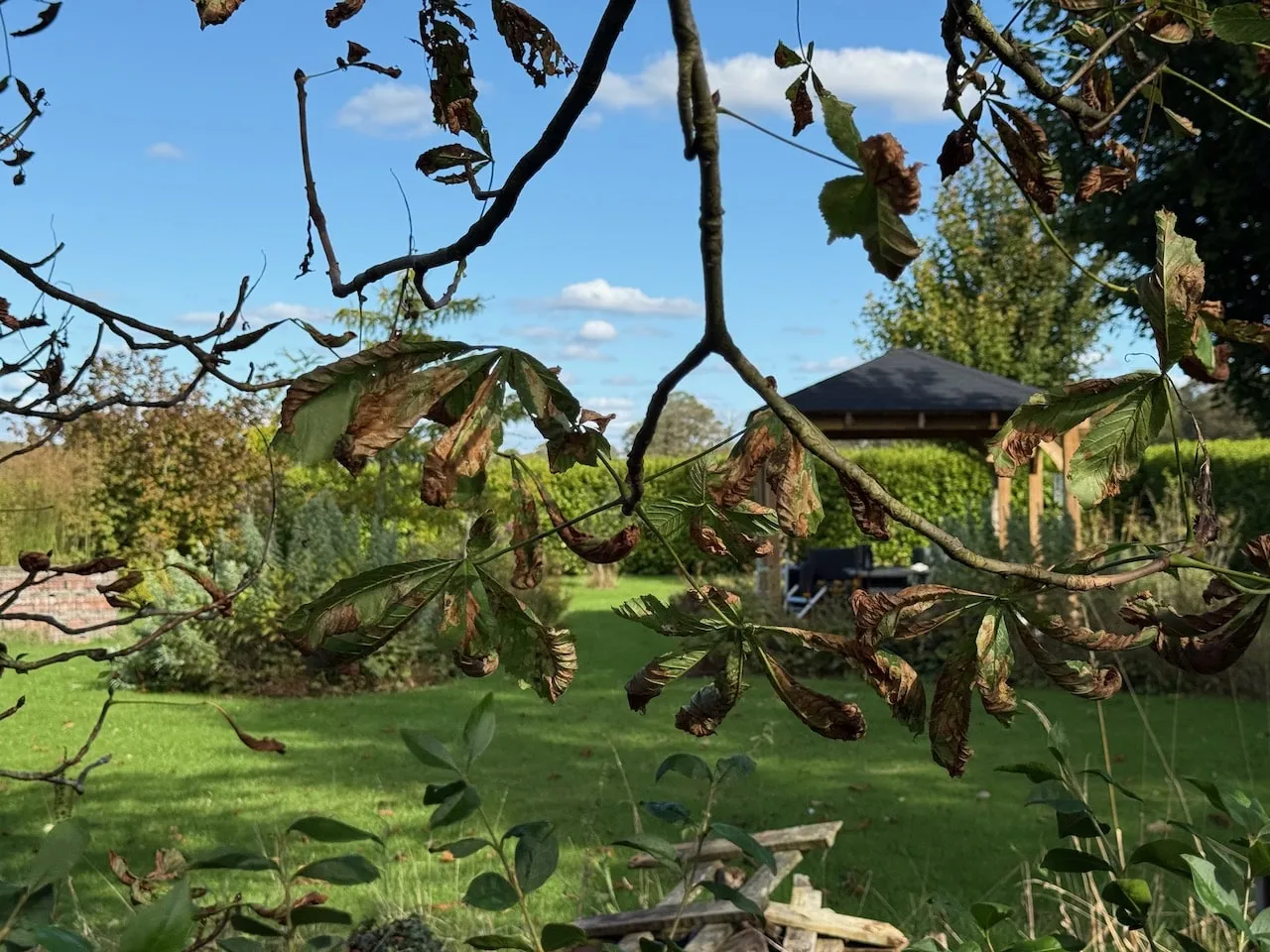
Another massive, deep-rooted tree with substantial energy reserves. Horse chestnuts produce epicormic growth when topped, but the regrowth is dense and poorly structured, and the large wounds left by topping cuts are prone to fungal infection, particularly bleeding canker, which is already devastating horse chestnut populations across the UK. Topping is not appropriate management for a mature horse chestnut.
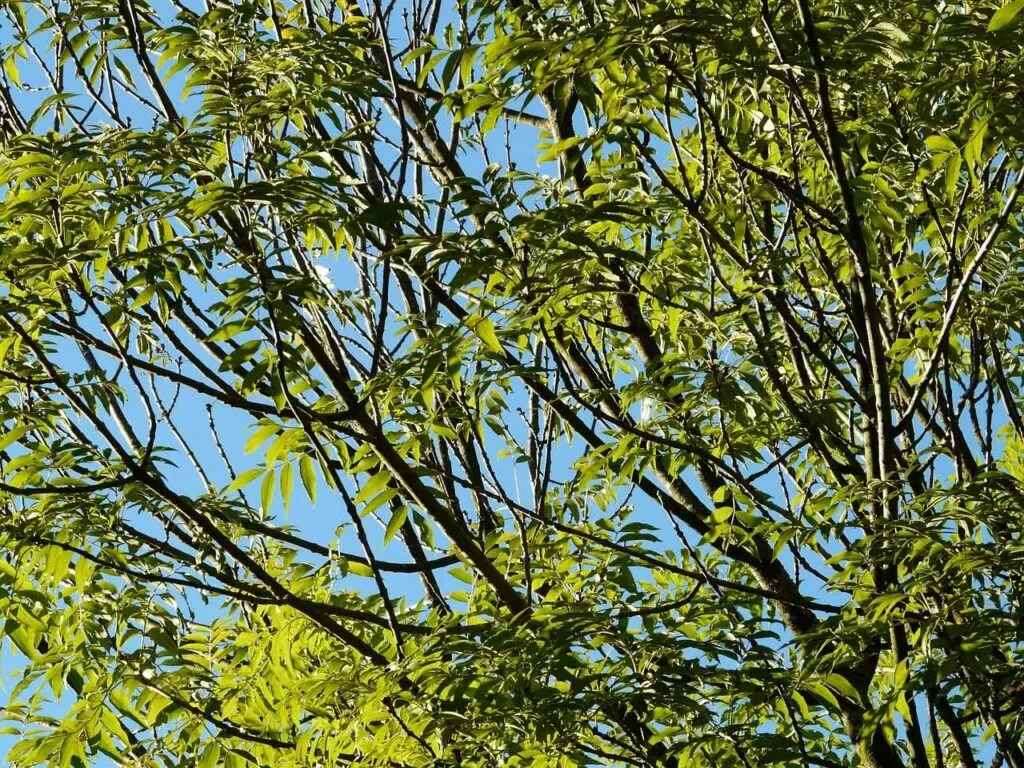
Fast-growing and vigorous, ash trees will respond to topping with masses of new regrowth that quickly return the tree to its original size. With ash dieback also affecting so many trees, any further stress from inappropriate pruning is best avoided.
Large beech trees don’t respond well to heavy pruning. Unlike willows or limes, beech lacks the vigorous epicormic bud system needed to regenerate successfully from hard cuts. Wounds also heal slowly, leaving the tree vulnerable to disease.
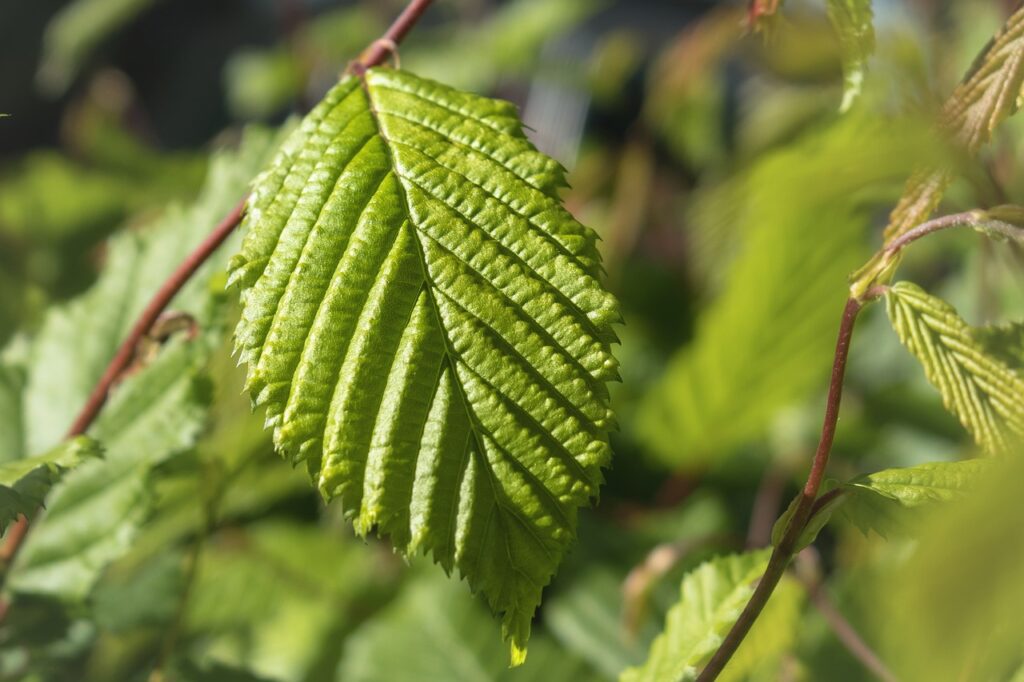
Very vigorous and will throw up masses of regrowth from cut points, but the regrowth is so vigorous that within a few years, you’re back to square one with a tree that’s actually denser and harder to manage than before.
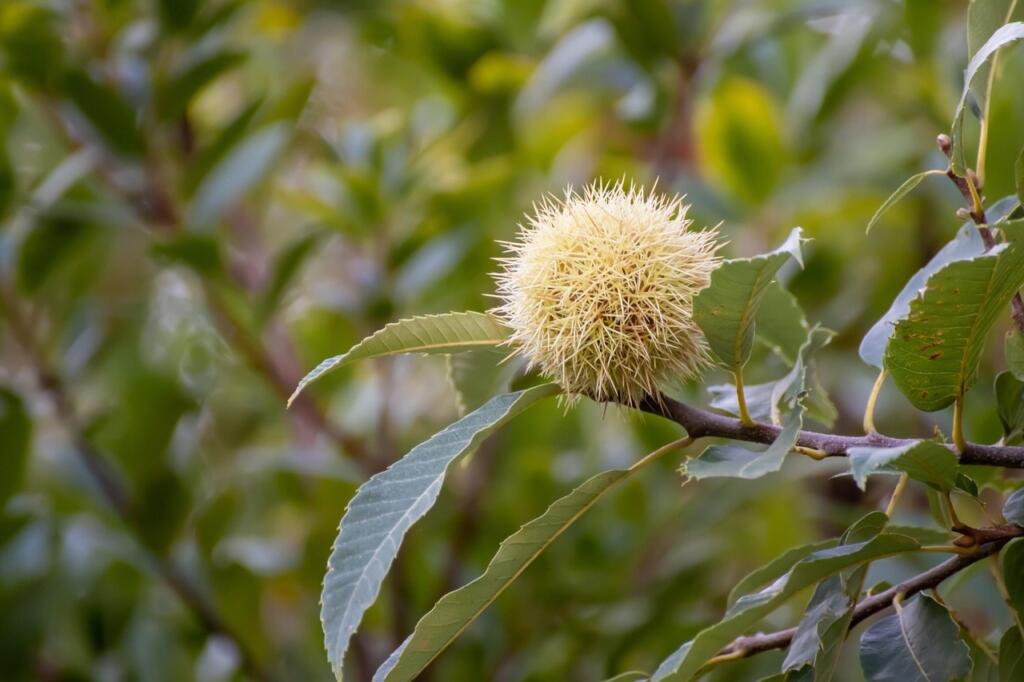
A note on protected trees: Before you touch any sizeable tree in your garden, check whether it’s covered by a Tree Preservation Order (TPO) or sits within a Conservation Area. In both cases, you’ll need permission from your local planning authority before carrying out any pruning work. Fines for unauthorised works to protected trees can reach £20,000. Always check first.
Conifers deserve their own section because the problem with topping them is unique and, once you understand it, very hard to unsee. Most conifers,s such as Leyland cypress, Lawson cypress, Scots pine, and Norway spruce,c,e grow in a distinctive tall, conical or columnar shape.
This shape is maintained by a phenomenon called apical dominance: the growing tip at the very top of the tree (the apex) produces a hormone that suppresses the growth of side branches, keeping them shorter and allowing the tree to grow in its characteristic pointed form.
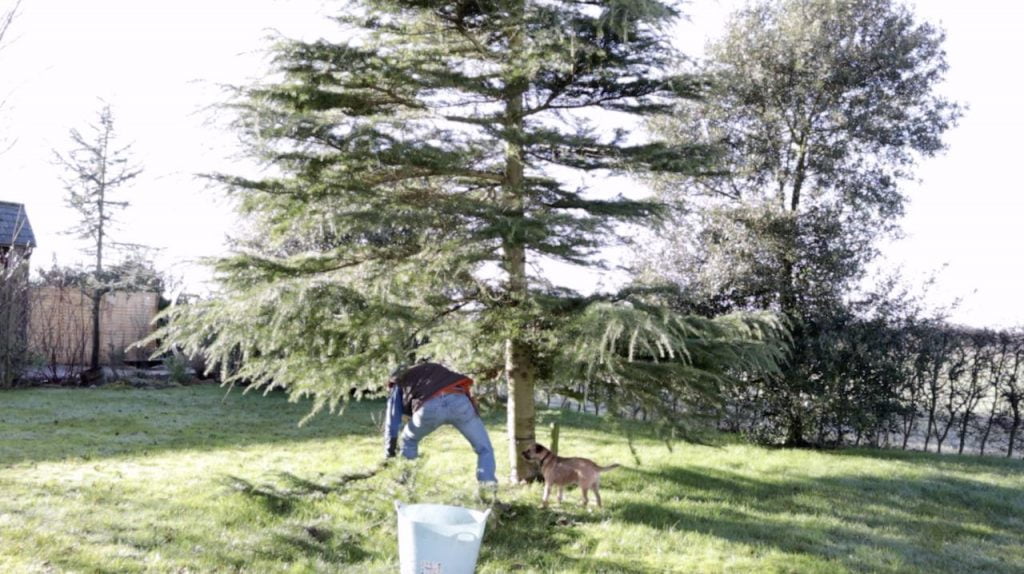
The moment you cut off that apex, apical dominance is destroyed. The side branches near the top of the tree suddenly become free of hormonal suppression and race away with vigorous horizontal growth. Instead of a pointed tip, you end up with a flat-topped or rounded blob of foliage sitting on top of the bare trunk. The shape the tree had for years simply cannot be recovered. It’s gone permanently.
Making matters worse, most conifers don’t produce new growth from bare wood. Deciduous trees have epicormic buds tucked along their stems just waiting for the signal to grow. Most conifers don’t have these. If you cut back into bare brown wood, nothing regrows. This means that once a conifer is topped, the trunk above the last ring of green foliage will simply remain bare and dead-looking, while the sides bush out into that characteristic rounded blob shape.
The only real exceptions are conifers grown as formal hedging — Leyland cypress or Lawson cypress hedges can have their tops trimmed regularly to maintain a flat or slightly sloped top. This works because the hedge is managed as a mass of foliage rather than as a single specimen tree with a defined shape. For specimen conifers in a garden, the honest advice is this: if it’s too tall, it needs to come out and be replaced with a smaller growing species. Topping a conifer is not the answer.
The golden rule with conifers: Never cut back into brown, leafless wood. Always cut within the green, actively growing foliage zone. Once you’re past the green, nothing comes back.
| Tree Type | Can You Top It? | What Happens? | Better Alternative |
|---|---|---|---|
| Willow | Yes, excellent | Vigorous, manageable regrowth | Annual pollarding |
| Lime / London Plane | Yes, excellent | Classic pollard result, good long term | Regular pollarding |
| Fruit trees (apple, pear) | Yes, with care | Manageable with correct cuts | Annual formative pruning |
| Elder | Yes, very tolerant | Bounces back easily | Hard prune or coppice |
| Catalpa | Yes | Dramatic large leaves on new growth | Pollard annually in spring |
| Eucalyptus | Yes | Keeps juvenile foliage, controls height | Annual coppicing or pollarding |
| Silver birch | With care | Better done when young | Crown reduction by arborist |
| Oak | Not advisable | Likely protected; weak regrowth | Consult an arborist |
| Horse chestnut | No | Large wounds, disease risk, regrows vigorously | Crown management by arborist only |
| Beech | No | Slow wound healing, disease risk | Consult an arborist |
| Leyland / Lawson cypress (hedge) | Top of hedge only | Works for hedging, not specimen trees | Regular trimming within green zone |
| Scots pine / Spruce (specimen) | No | Destroys shape permanently; bare top | Remove and replace with smaller species |
| Ash | Not advisable | Regrows rapidly, often back to original size | Crown reduction by arborist |
If you’ve identified that your tree is on the responsive list and you’re ready to go, here’s how to do it properly. The difference between good crown reduction and bad topping is almost entirely in where you make the cut. A good cut is made back to a side branch that is at least a third of the diameter of the branch being removed. This lateral branch effectively becomes the new leader; the tree has a definite growing point to aim for, and the wound is much smaller and heals far more effectively.
A bad cut is a stub — a blunt horizontal chop that leaves no side branch to grow on from. Stubs don’t seal properly; they rot and become entry points for disease and decay fungi. This is what gives topping its bad reputation.
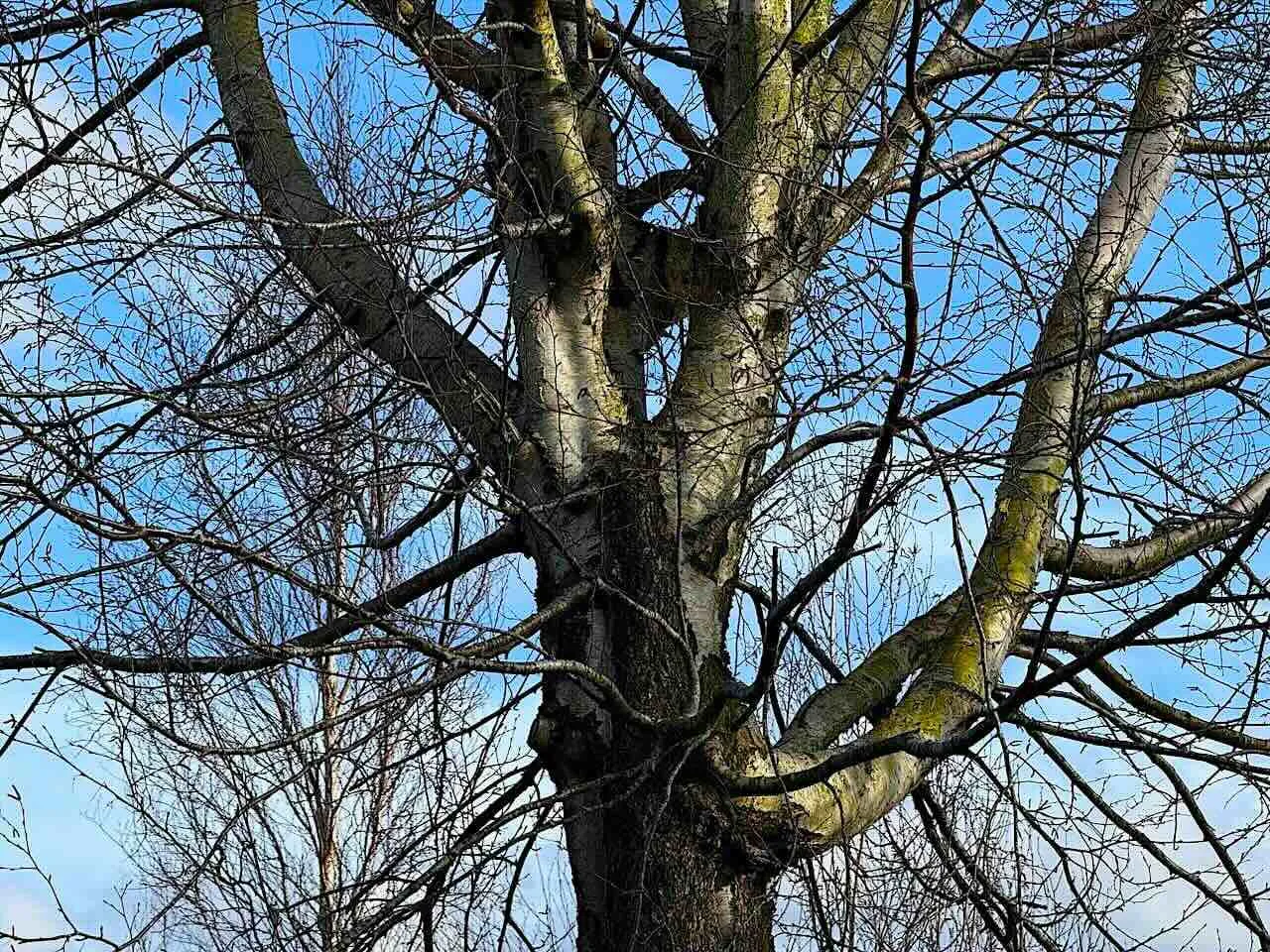
Identify where a suitable lateral branch exists that you can cut back to. If there’s no lateral branch at the height you want, you’ll need to leave the tree taller or accept you’re creating a stub. With some trees, like Carpinus, it’s easy to see the main trunk; others form a crowded branch network thats crowded, like the Birch below, which makes working out where to cut back tricky for all but an expert pruner!
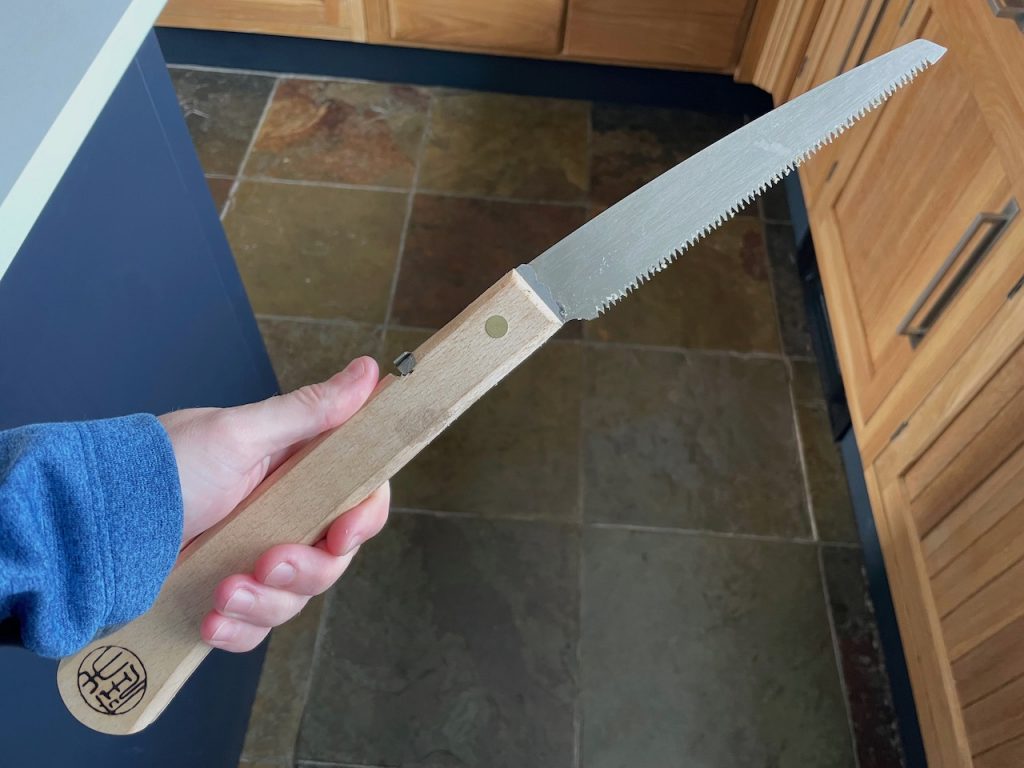
Pruning saw for branches up to about 5cm diameter, a proper arborist’s saw for anything larger. Clean and sharp tools only — blunt tools tear rather than cut and leave ragged wounds that heal slowly.
For any branch thicker than a couple of centimetres, make a shallow cut on the underside of the branch first, a few centimetres out from your final cut point. This prevents the branch’s weight from tearing the bark as it falls.
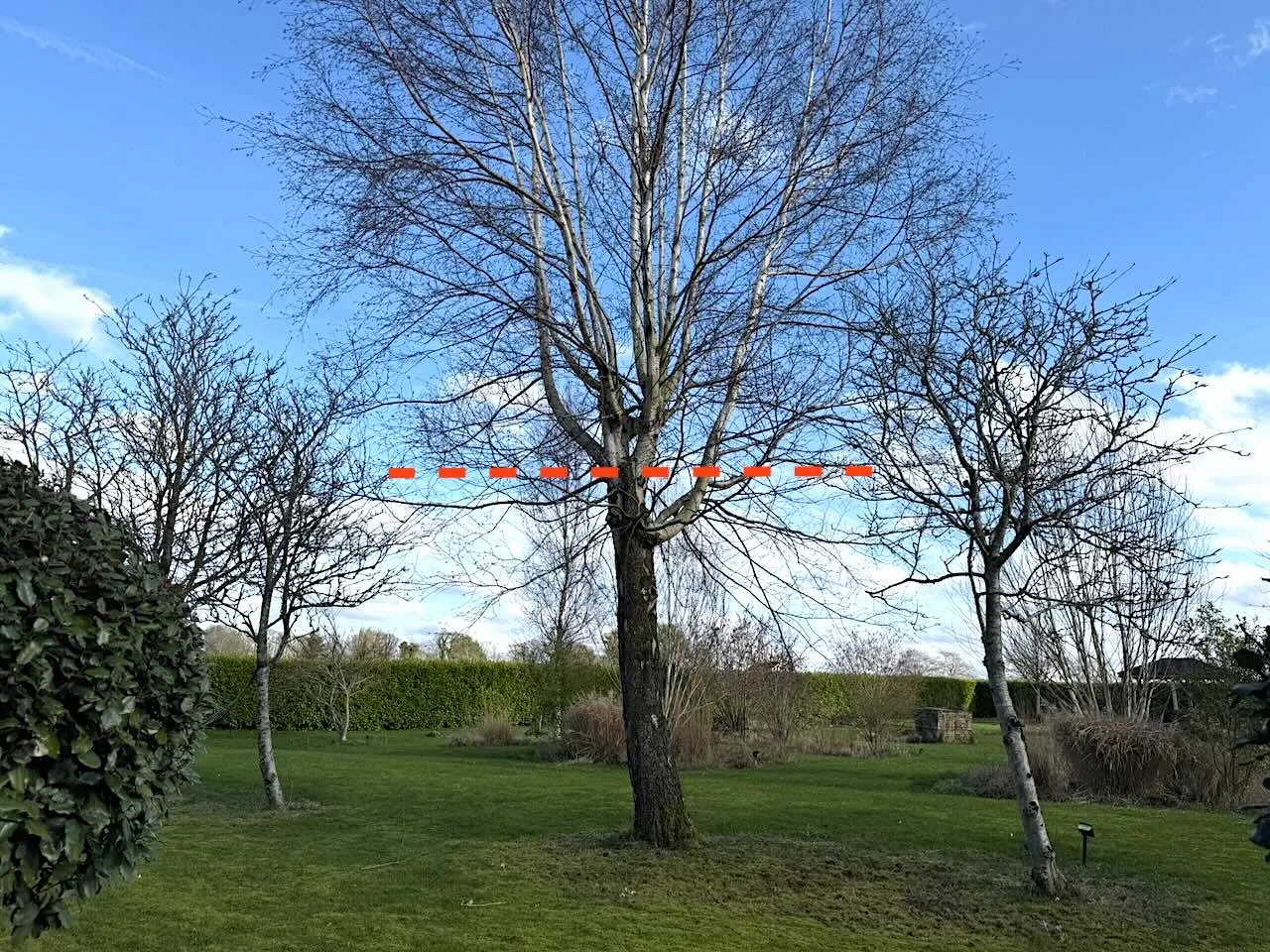
The branch collar is the slightly swollen ring of tissue at the base of the branch where it meets the trunk or parent branch. Cut just outside this collar — not through it, and not leaving a long stub beyond it. Look at the example below of a previously topped-out Betula (Birch), where the fresh white growth above the red line is 6-year-old growth. The tree was originally cut at this red dotted line.
Despite what you might have been told, painting pruning cuts with wound sealant is no longer recommended. Trees seal their own wounds most effectively without interference. Let it heal naturally.
Before making each major cut, step back and look at the overall shape. It’s very easy to remove too much, leaving a lopsided or bare-looking tree. Work slowly and evaluate as you go.
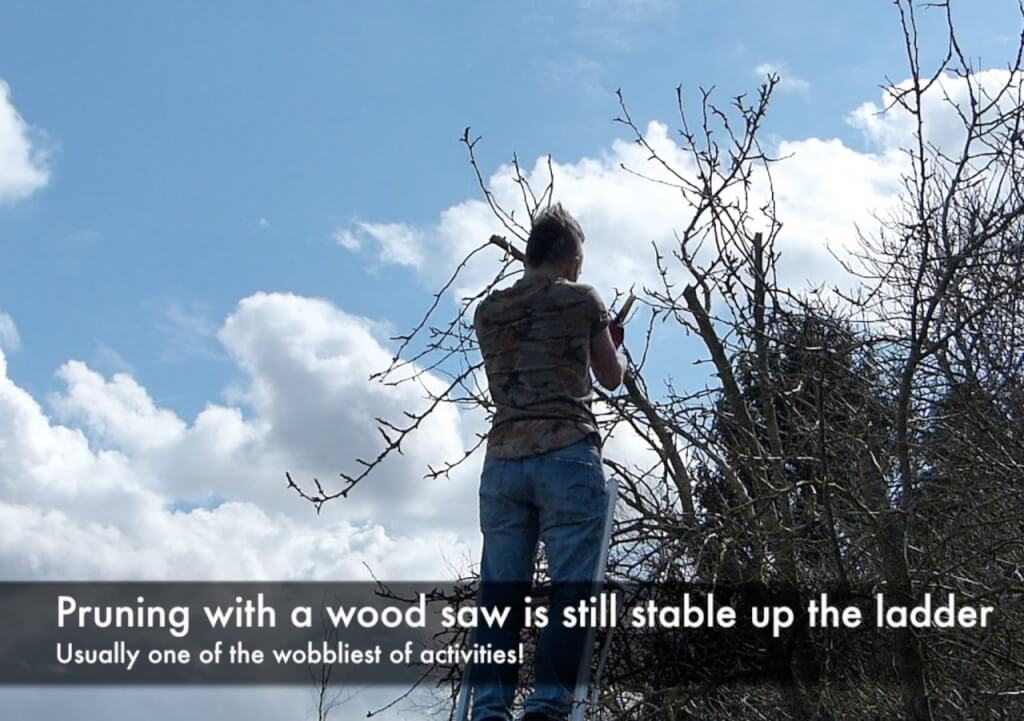
Safety first, Ninjas: If the branch is above head height or the tree is more than a couple of metres tall, please use a proper ladder rated for the job, wear eye protection and gloves as a minimum, and have someone with you. For anything significant, call in a qualified arborist. It’s not worth the risk.
| Tree Type | Best Time to Prune | Avoid |
|---|---|---|
| Most deciduous trees | Late winter to early spring (January to March) | Autumn (risk of fungal infection entering cuts) |
| Willows, limes (pollarding) | Late winter while fully dormant | Summer (heavy sap flow) |
| Fruit trees | Late winter (apples, pears) or early summer (plums, cherries) | Autumn and early winter |
| Acers / maples | Mid to late summer, or midsummer | Spring (sap bleeding from cuts) |
| Eucalyptus | Late spring, once the risk of frost has passed | Autumn and winter |
| Conifers (hedge tops only) | Late spring and late summer | Autumn and hard frosts |
| Magnolias | Late summer | Winter and spring |
As a general rule, late winter is the sweet spot for most deciduous trees in the UK because the tree is fully dormant, there are no leaves to obstruct your view of the structure, wound healing begins promptly as the tree breaks dormancy in spring, and the risk of fungal spores infecting wounds is lower than in autumn. Bob’s your uncle.
Before you reach for the saw, it’s worth knowing that in many cases, there are approaches that achieve similar results with less trauma to the tree and a more attractive outcome.
Crown reduction is what a skilled arborist does instead of crude topping. Rather than making blunt horizontal cuts across the top of the tree, they selectively remove branches throughout the crown, cutting each one back to a suitable side branch. The tree ends up smaller overall but retains its natural shape. It costs more than a simple lop and chop, but the tree is far healthier and more attractive for it.
Crown thinning doesn’t actually reduce the height of the tree, but removes branches from within the crown to let more light through and reduce wind resistance. If the tree isn’t actually too tall but just feels oppressive, thinning is often the better answer than height reduction.
Crown lifting involves removing the lower branches to raise the point at which the canopy starts. Again, the tree stays the same height, but it feels less dominant in the garden, allowingmore llight toreach the ground.
Replacement planting is the option nobody wants to hear, but it is sometimes genuinely the right one. If you have a very large, vigorous tree in a small garden that’s going to need repeated heavy management every year for the rest of its life, it’s worth asking honestly whether you’d be better off taking it out and replacing it with a species that naturally fits your space. A tree chosen for its final size is infinitely easier to live with than a bombproof giant you’re in a constant battle to contain.
Some jobs simply aren’t for the home gardener, and there’s no shame in that. You should call a qualified arborist — look for members of the Arboricultural Association or those with the LANTRA Professional Tree Inspection qualification — if any of the following apply.
A good arborist won’t just do what you ask — they’ll advise you on what’s actually in the tree’s best interests and what’s realistically achievable. Their quotes can feel steep, but professional tree work is skilled, physically demanding, and potentially dangerous. It’s worth every penny when the alternative is a falling branch through a greenhouse or worse.
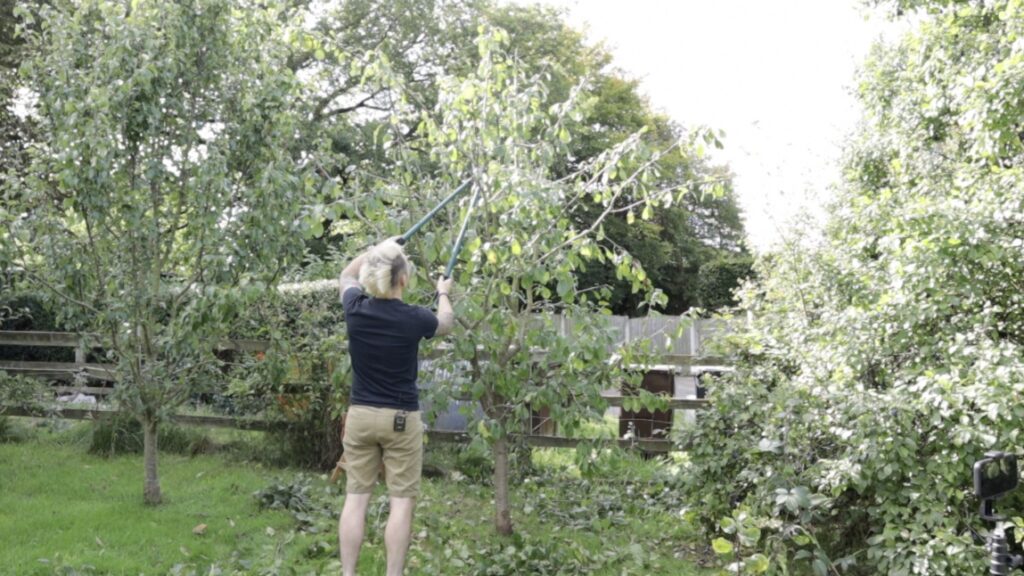
It depends on the tree and how aggressively it’s done. Some trees — particularly willows, limes, and elders — tolerate very hard cutting without issue. Others, particularly conifers, beeches, and trees with existing disease or structural problems, can be severely damaged or even killed by heavy topping. Removing more than a third of the canopy in a single cut dramatically increases the risk. Always research your specific tree before proceeding.
You have the legal right to cut back branches that overhang your property boundary, up to the boundary line. However, you cannot cut into your neighbour’s side; you must offer the cut material back to your neighbour, and you should check whether the tree is protected before doing anything. What you cannot legally do is top the tree on your neighbour’s property without their permission. If the overhang is causing a genuine nuisance, the best first step is a conversation.
For most trees managed by pollarding, you’re looking at annual or biannual cutting. The regrowth from pollard points is typically vigorous, and if you leave it for more than 2 to 3 years, you start to get larger, heavier branches that are harder to manage safely. The more consistently and regularly you do it, the easier and safer each session becomes.
For specimen conifers, this is not advisable. As covered above, topping permanently destroys the conical shape. It leaves bare, dead-looking wood at the top that will not rregrow For conifers grown as hedging, trimming the top is fine providing you stay within the green, actively growing zone. Never cut into bare brown wood on a conifer.
No. The current guidance from the RHS and arborists is to leave cuts to seal naturally. Trees produce their own wound wood, and covering the cut with wound sealant or paint has been shown, in most cases, to do more harm than good by trapping moisture and potentially encouraging fungal growth. Clean cuts, made correctly, seal themselves.
The key difference is in how and when the cuts are made and the long-term intention. Pollarding begins on young trees with slender stems, and cuts are made to the same points each year, building up the characteristic swollen knuckles of a classic pollard. The tree becomes accustomed to this regime and produces predictable regrowth. Topping is typically applied to mature trees without this history, making large cuts to thick branches that heal poorly. Pollarding is managed, planned, and tree-friendly. Crude topping often isn’t.
Ready to elevate your gardening beyond basic tasks and seed sowing this March? My comprehensive online courses provide the expertise to transform you from enthusiastic beginner to confident garden creator.
With courses starting from just £29, you gain access to award-winning design knowledge.
For the garden you’ve already got, not the one you’re starting from scratch. Seven checklists and video lessons from BBC Garden Rescue’s Lee Burkhill, built to help you work out what’s worth keeping before you spend a penny.
Garden Design Examples for Small Gardens: 30 Design Templates & Planting Plans: In this online gardening course, I’ll walk you through 30 fantastic garden designs, explaining the logic behind the layout, the plant choices, and take-home tips for applying them in your own garden.
Learn how to transform and design your own garden with Lee Burkhills crash course in garden design. Over 5 hours Lee will teach you how to design your own dream garden. Featuring practical design examples, planting ideas and video guides. Learn how to design your garden in one weekend!
Garden Design for Beginners Online Course: If you want to make the career jump to becoming a garden designer or to learn how to design your own garden, this is the beginner course for you. Join me, Lee Burkhill, an award-winning garden designer, as I train you in the art of beautiful garden design.
Topping a tree is one of those gardening jobs where the outcome depends almost entirely on whether you’ve picked the right candidate. Get it right with a willow, a lime, an elder, or a fruit tree, and you have a genuinely effective way of keeping your garden in check without losing the tree altogether. Get it wrong with a horse chestnut, a mature oak, or a specimen conifer, and you’ve either started a battle you’ll be fighting forever, or permanently disfigured something that took decades to grow.
The golden rule is this: do your homework before you do anything else. Know your tree, check whether it’s protected, and be honest about whether you can handle the job safely yourself or if it needs a proper arborist. Trees are long-term investments in any garden, and a bit of patience and the right approach will always yield better results than a hasty chop and a hope for the best. Your future self, standing in a well-shaped and manageable garden, will thank you for it.
Happy Tree Topping, Ninjas!
Lee Burkhill, known as the Garden Ninja, is an award-winning garden designer and horticulturist with over 30 years of gardening experience and 15 years as a professional garden designer. A qualified RHS (Royal Horticultural Society) professional, Lee specialises in sustainable garden design and practical horticultural advice. He designs and presents on BBC1’s Garden Rescue and in leading gardening publications. Lee combines three decades of hands-on gardening knowledge with professional design qualifications to help gardeners create beautiful, functional outdoor spaces.
View all posts by Lee Burkhill





JOIN THE NINJAS
Be the first in line for new Guides, Discount codes and Offers