Hi @frostygarden1
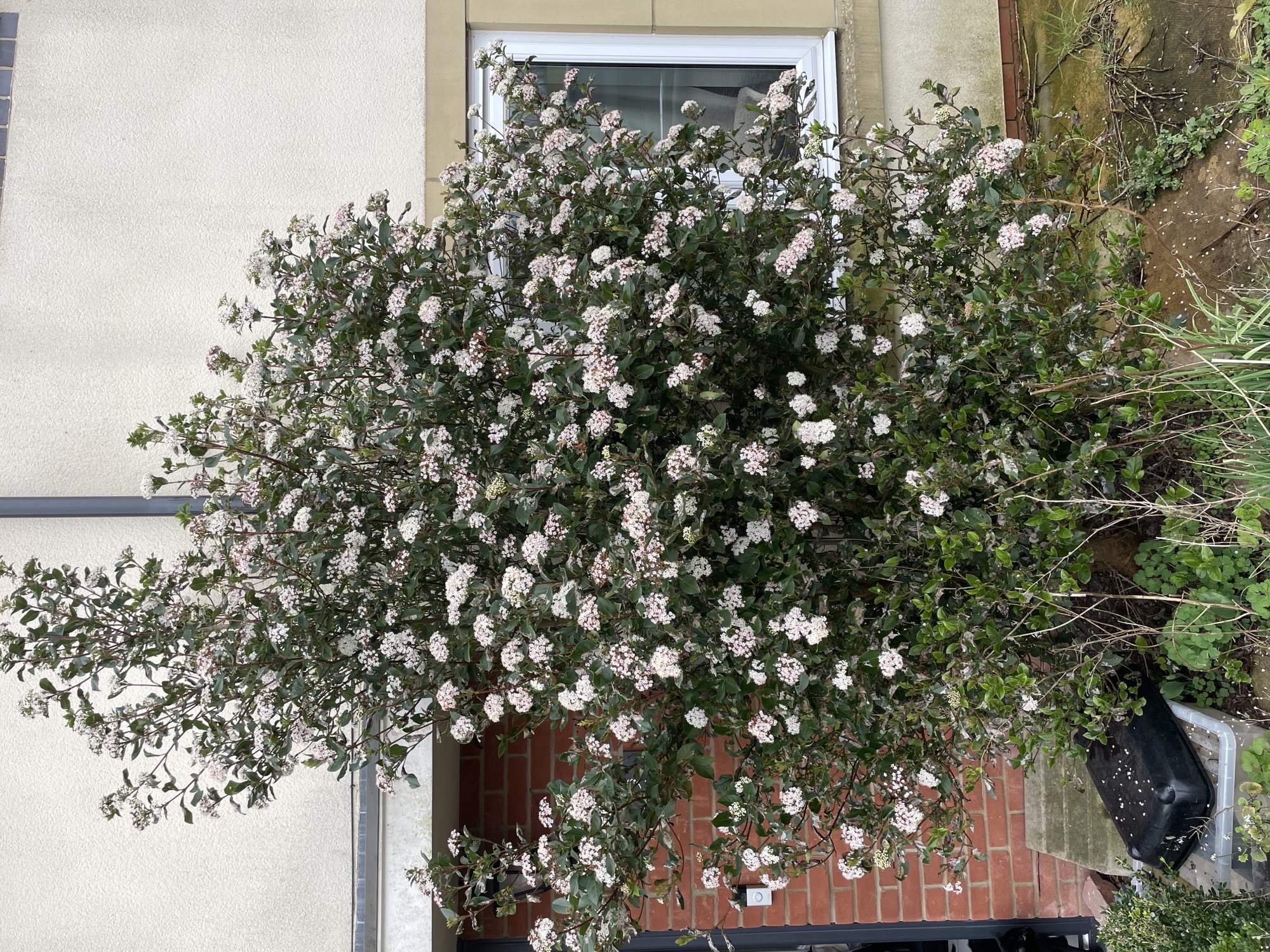
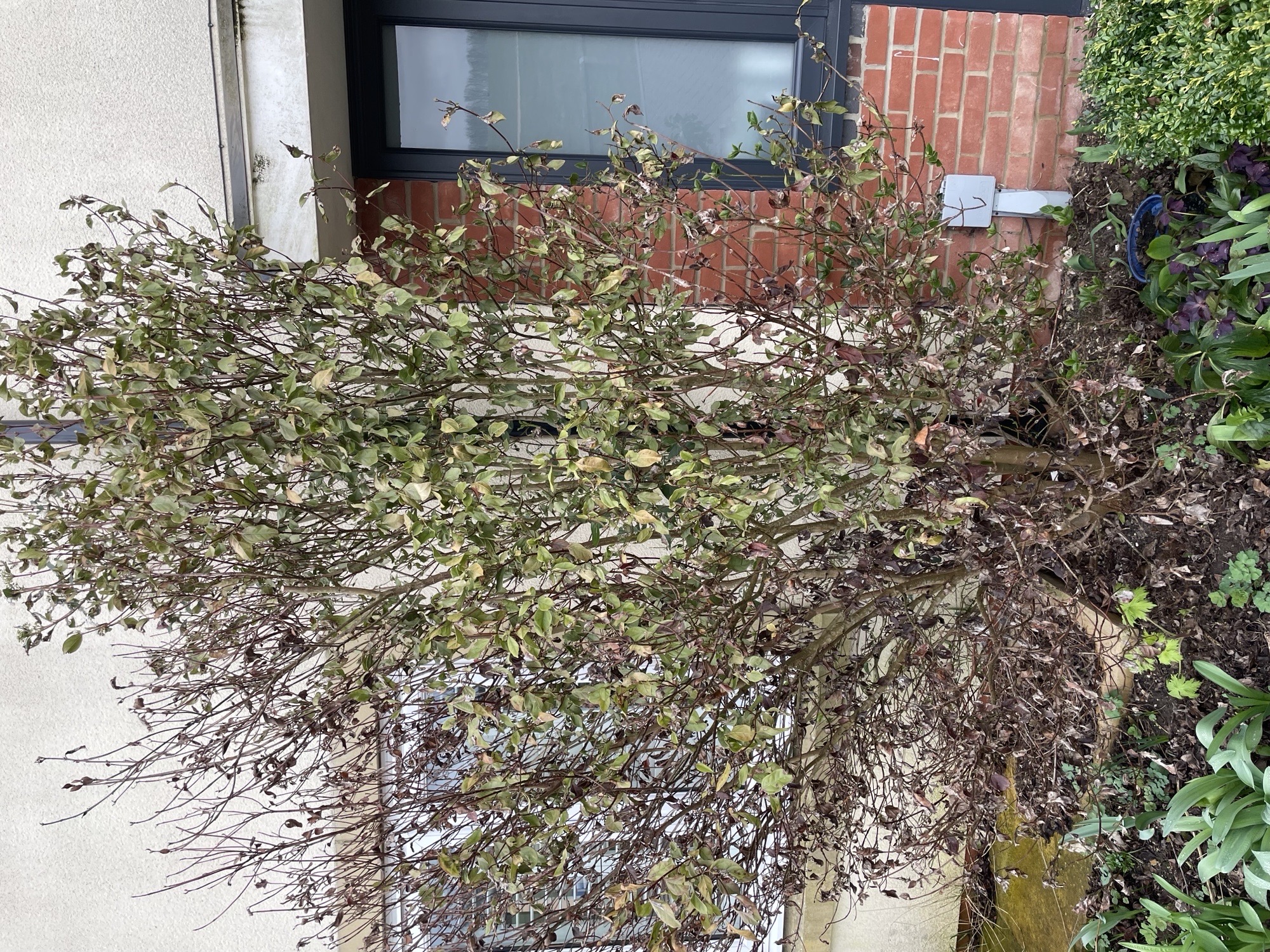
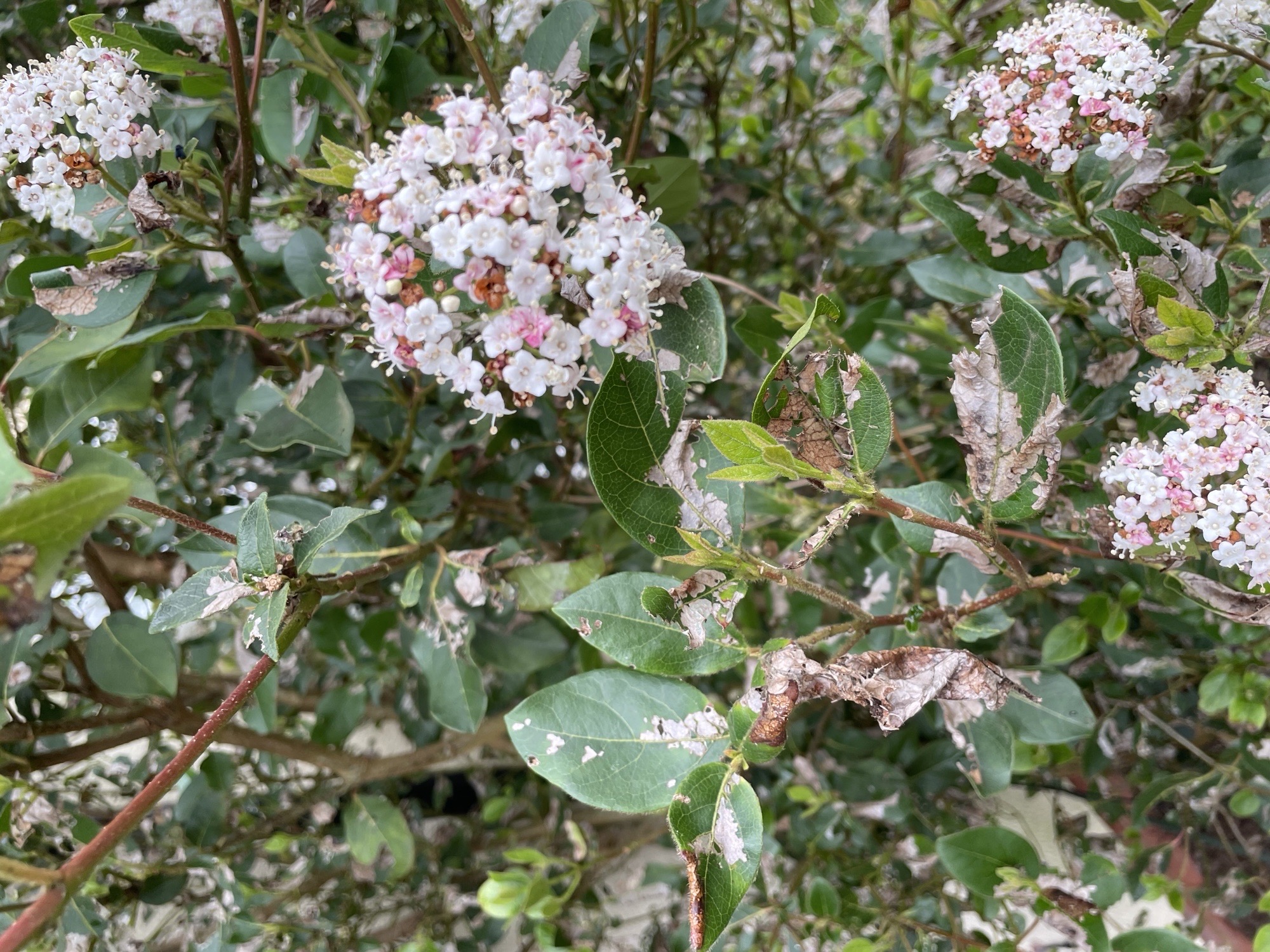
Thanks for your comment on your sickly Viburnum. When Viburnum has brown marks all over the leaves, including the edges, and ragged, half-scroched leaves, it's usually a sign of bacterial leaf spot or bacterial blight. This is an infection of the Viburnum usually caused by pruning wounds that haven't healed properly or a pest like the Viburnum beetle leaving wounds on the plant that then get infected.
Sadly, there is no cure, and destruction and burning are the best bet, so it doesn't spread to the other Viburnum. You'll also need to sterilise your cutting tools afterwards too!
Let me provide some more detail for other Ninjas as to why Viburnums suffer from leaf spot and bacterial infections.
1. Identifying Viburnum Bacterial Blight and Leaf Spot
A) Viburnum Bacterial Blight (Pseudomonas syringae)
Bacterial blight is a serious infection caused by Pseudomonas syringae, a bacterium that thrives in cool, wet conditions. It spreads via rain splash, overhead watering, or contaminated tools. How it gets there in the first place is always a bit of a mystery Frosty but certainly avoiding the conditions the disease likes is a good step!
Symptoms of Vibunrum Bacterial Blight
- Dark, water-soaked spots on leaves, often with yellow halos.
- Blackened, shriveled leaf edges.
- Twigs and stems may show dark streaks or dieback.
- New growth is distorted or wilts prematurely.
B) Fungal Leaf Spot (Cercospora, Alternaria, or Anthracnose fungi)
Leaf spot diseases are fungal infections that appear as small, round, brown, or black spots on leaves. These often merge, creating large dead areas. The fungi spread through water droplets and thrive in humid conditions.
Signs of Fungal Leaf Spot
- Circular brown, purple, or black spots on leaves.
- Leaves turning yellow before dropping off.
- In severe cases, defoliation and plant weakening.
Both bacterial and fungal diseases spread rapidly in wet conditions, so prevention is key to keeping your viburnum in top shape.
2. How to Prevent Viburnum Bacterial Blight & Leaf Spot
The best way to protect your viburnum is to create an environment that discourages bacterial and fungal infections. Most ot this is around careful consideration of where to plant and to avoid making pruning cuts in cold, wet weather, winter or other times of year when the healing of your Viburnum is slow.
i) Choose Resistant Varieties
Some viburnums have better disease resistance than others. However, no Viburnum is infallible and you still need decent hygiene practices and gardening principles. If you’re planting new ones, consider opting for resistant varieties like:
- Viburnum dentatum (Arrowwood Viburnum)
- Viburnum plicatum (Japanese Snowball Viburnum)
- Viburnum nudum (Smooth Witherod Viburnum)
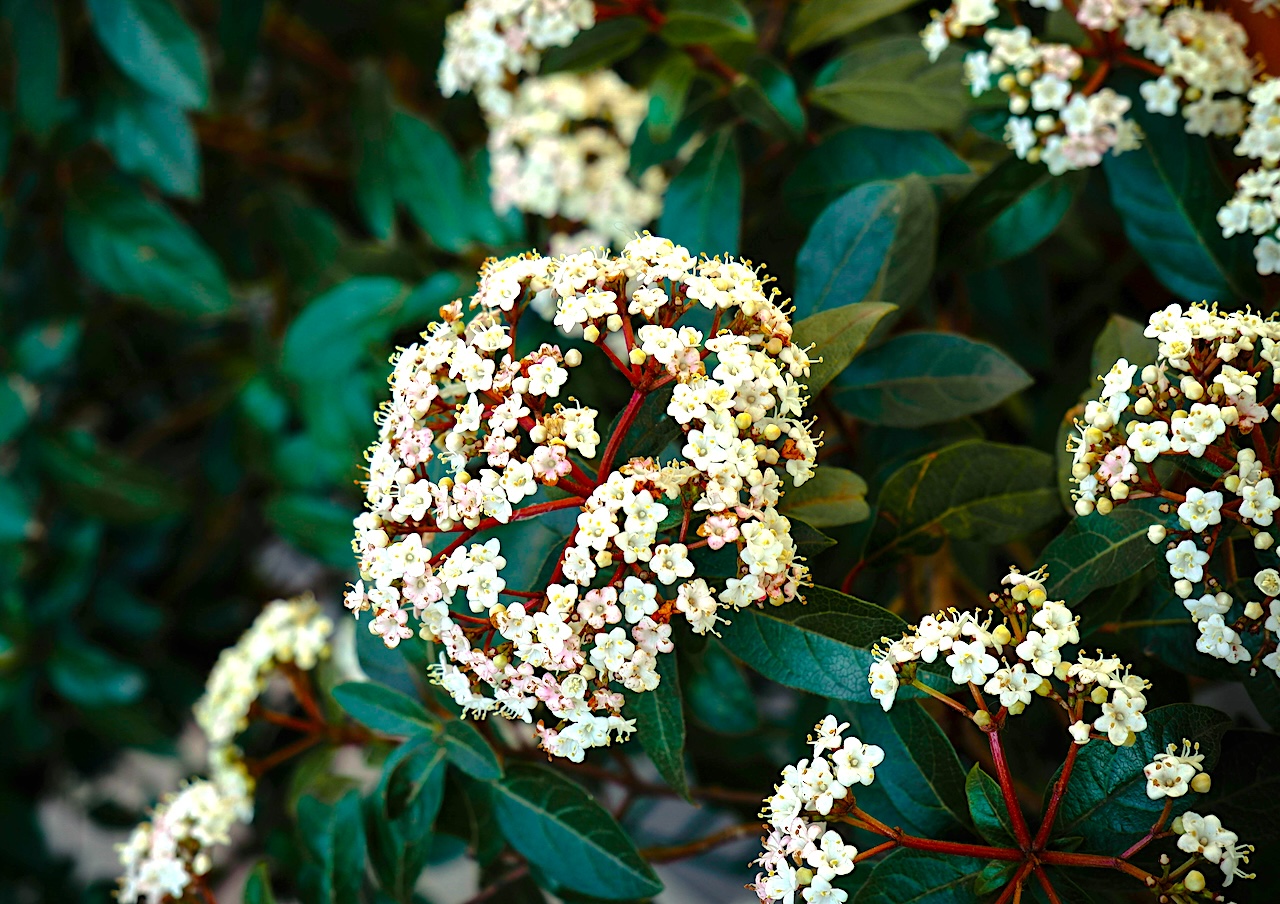
Avoid highly susceptible varieties like Viburnum tinus, which is prone to bacterial blight.
ii) Improve Air Circulation
Bacteria and fungi thrive in damp, stagnant conditions. Improving air circulation reduces humidity and allows foliage to dry more quickly. Planting your Viburnums with plenty of airflow and against cold or shaded walls is key to helping prevent blight or bacteria from attacking your shrub.
- Plant viburnums at least 3-5 feet apart to ensure proper airflow.
- Prune dense growth to open up the canopy, allowing light and air to reach the inner branches.
- Remove dead or congested branches to prevent moisture buildup.
iii) Water Wisely – Avoid Overhead Watering
Wet leaves encourage disease, so how you water your viburnum matters.
- Always water at the base to keep foliage dry. Use a soaker hose or drip irrigation instead of sprinklers.
- Water early in the morning so any excess moisture evaporates during the day.
- Avoid watering in the evening, as prolonged dampness increases the risk of infection.
iv) Mulch to Prevent Soil Splash
Soil can contain bacteria and fungal spores, which splash onto leaves when it rains. A layer of mulch helps prevent this.
- Apply a 5-8 cm layer of organic mulch (bark, wood chips, or compost) around the base.
- Keep mulch away from the main stem to avoid rot.
v) Use Clean, Sharp Pruning Tools
Pruning infected branches with dirty tools spreads bacteria and fungi. Always:
- Sterilize your tools with a 10% bleach solution or rubbing alcohol before and after pruning.
- Prune only in dry weather to prevent bacteria from entering fresh cuts.
- Dispose of infected plant material properly—never compost diseased leaves.
https://youtu.be/zsdpzrxxOj8
Do let us know how you get on, and don't forget to also dispose of any fallen leaves and leaf litter under the shrub when you remove it. On a positive note it does mean you can now choose another plant to replace it, so every cloud!
All the best
Lee Garden Ninja
Hi @frostygarden1
Thanks for your comment on your sickly Viburnum. When Viburnum has brown marks all over the leaves, including the edges, and ragged, half-scroched leaves, it's usually a sign of bacterial leaf spot or bacterial blight. This is an infection of the Viburnum usually caused by pruning wounds that haven't healed properly or a pest like the Viburnum beetle leaving wounds on the plant that then get infected.
Sadly, there is no cure, and destruction and burning are the best bet, so it doesn't spread to the other Viburnum. You'll also need to sterilise your cutting tools afterwards too!
Let me provide some more detail for other Ninjas as to why Viburnums suffer from leaf spot and bacterial infections.
1. Identifying Viburnum Bacterial Blight and Leaf Spot
A) Viburnum Bacterial Blight (Pseudomonas syringae)
Bacterial blight is a serious infection caused by Pseudomonas syringae, a bacterium that thrives in cool, wet conditions. It spreads via rain splash, overhead watering, or contaminated tools. How it gets there in the first place is always a bit of a mystery Frosty but certainly avoiding the conditions the disease likes is a good step!
Symptoms of Vibunrum Bacterial Blight
- Dark, water-soaked spots on leaves, often with yellow halos.
- Blackened, shriveled leaf edges.
- Twigs and stems may show dark streaks or dieback.
- New growth is distorted or wilts prematurely.
B) Fungal Leaf Spot (Cercospora, Alternaria, or Anthracnose fungi)
Leaf spot diseases are fungal infections that appear as small, round, brown, or black spots on leaves. These often merge, creating large dead areas. The fungi spread through water droplets and thrive in humid conditions.
Signs of Fungal Leaf Spot
- Circular brown, purple, or black spots on leaves.
- Leaves turning yellow before dropping off.
- In severe cases, defoliation and plant weakening.
Both bacterial and fungal diseases spread rapidly in wet conditions, so prevention is key to keeping your viburnum in top shape.
2. How to Prevent Viburnum Bacterial Blight & Leaf Spot
The best way to protect your viburnum is to create an environment that discourages bacterial and fungal infections. Most ot this is around careful consideration of where to plant and to avoid making pruning cuts in cold, wet weather, winter or other times of year when the healing of your Viburnum is slow.
i) Choose Resistant Varieties
Some viburnums have better disease resistance than others. However, no Viburnum is infallible and you still need decent hygiene practices and gardening principles. If you’re planting new ones, consider opting for resistant varieties like:
- Viburnum dentatum (Arrowwood Viburnum)
- Viburnum plicatum (Japanese Snowball Viburnum)
- Viburnum nudum (Smooth Witherod Viburnum)
Avoid highly susceptible varieties like Viburnum tinus, which is prone to bacterial blight.
ii) Improve Air Circulation
Bacteria and fungi thrive in damp, stagnant conditions. Improving air circulation reduces humidity and allows foliage to dry more quickly. Planting your Viburnums with plenty of airflow and against cold or shaded walls is key to helping prevent blight or bacteria from attacking your shrub.
- Plant viburnums at least 3-5 feet apart to ensure proper airflow.
- Prune dense growth to open up the canopy, allowing light and air to reach the inner branches.
- Remove dead or congested branches to prevent moisture buildup.
iii) Water Wisely – Avoid Overhead Watering
Wet leaves encourage disease, so how you water your viburnum matters.
- Always water at the base to keep foliage dry. Use a soaker hose or drip irrigation instead of sprinklers.
- Water early in the morning so any excess moisture evaporates during the day.
- Avoid watering in the evening, as prolonged dampness increases the risk of infection.
iv) Mulch to Prevent Soil Splash
Soil can contain bacteria and fungal spores, which splash onto leaves when it rains. A layer of mulch helps prevent this.
- Apply a 5-8 cm layer of organic mulch (bark, wood chips, or compost) around the base.
- Keep mulch away from the main stem to avoid rot.
v) Use Clean, Sharp Pruning Tools
Pruning infected branches with dirty tools spreads bacteria and fungi. Always:
- Sterilize your tools with a 10% bleach solution or rubbing alcohol before and after pruning.
- Prune only in dry weather to prevent bacteria from entering fresh cuts.
- Dispose of infected plant material properly—never compost diseased leaves.
Do let us know how you get on, and don't forget to also dispose of any fallen leaves and leaf litter under the shrub when you remove it. On a positive note it does mean you can now choose another plant to replace it, so every cloud!
All the best
Lee Garden Ninja

 Lee Burkhill: Award Winning Designer & BBC 1's Garden Rescue Presenters Official Blog