Hi @turnerrachel86
Welcome to the Garden Ninja community and congratulations on getting your first garden - what an exciting journey you're about to embark on! Your question about the large conifers is absolutely spot on, and you're completely right to be thinking strategically about what stays and what goes before you start your garden design.
Understanding Conifer Pruning Limitations
You're absolutely correct that pruning conifers won't make a significant size difference if you're hoping to dramatically reduce their footprint. Most conifers simply cannot be hard pruned back to old wood because they won't regenerate new growth from older, brown branches. Unlike deciduous trees that can bounce back from severe pruning, conifers have very strong apical dominance, meaning they focus their energy on growing at the tips of branches rather than producing new shoots from older wood.
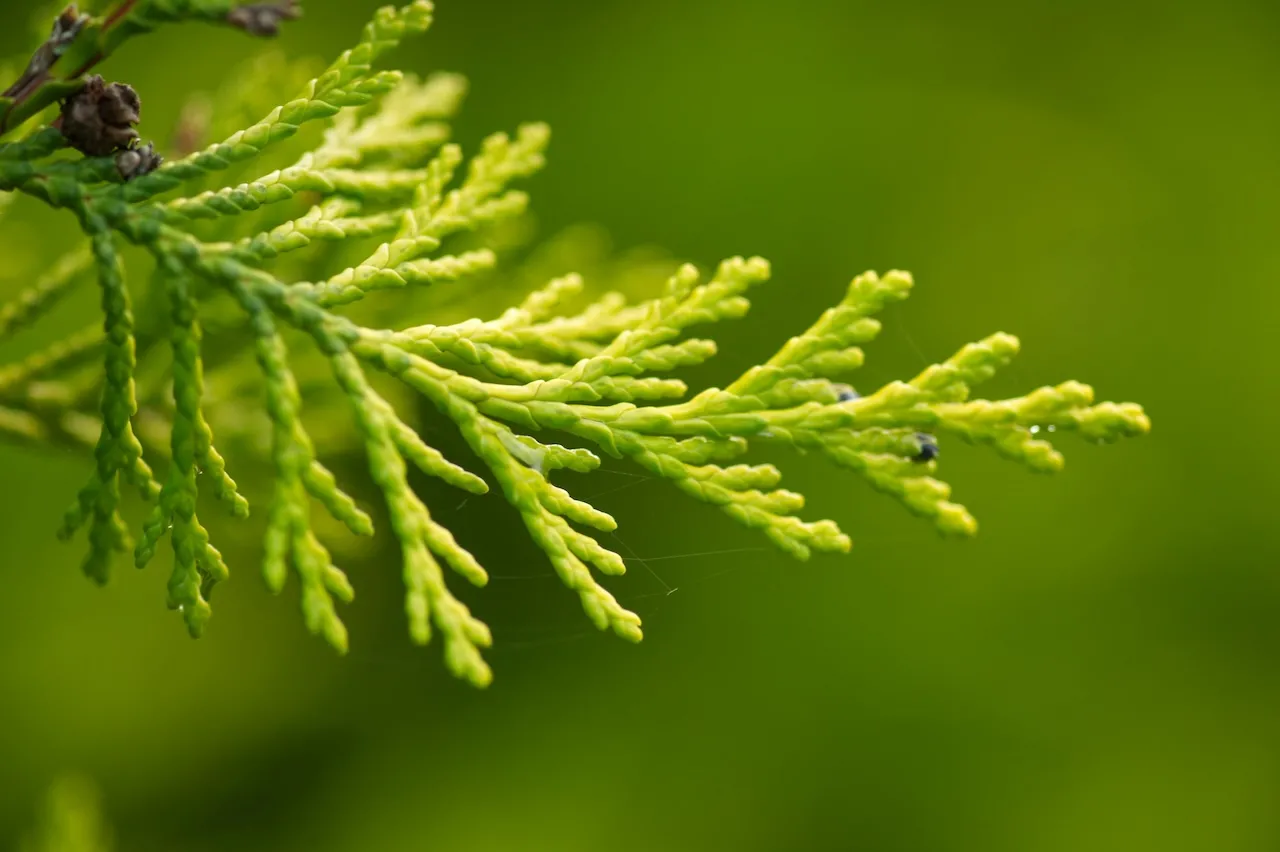
This means you can only trim back into the current year's green growth, which typically gives you just a few inches of reduction rather than the dramatic size reduction you'd need to reclaim significant garden space. If these conifers are dominating your garden and blocking light, pruning alone won't solve your space issues.
The Hidden Holly Dilemma
Regarding your concern about the holly tree - this is actually a really smart observation. If the holly has been growing in the shade and shelter of the conifers for years, removing one or more conifers could expose it to conditions it's not used to. The side that's been shaded will likely look quite brown and sparse initially, as holly tends to develop dense foliage only where it receives adequate light.
However, holly trees are remarkably resilient and adaptable. Once exposed to more light, that sparse side will gradually fill out with new growth, though it may take a couple of seasons to look balanced again. Holly is also excellent for wildlife, providing both shelter and winter berries, so it's definitely worth keeping if possible.
Strategic Removal Options
The good news is that it's absolutely possible to selectively remove conifers whilst preserving the holly, though you'll need to be quite careful about the process. The key is to work with a qualified tree surgeon who can assess the root systems and plan the removal to minimise damage to surrounding plants.
Consider removing the conifers in stages rather than all at once. This allows the holly to gradually adapt to increased light and wind exposure, reducing shock. You might start by removing the conifer that's casting the most shade on your potential garden space, then assess how the holly responds before deciding whether to remove additional trees.
Crown Lifting as an Alternative
Before committing to complete removal, consider whether crown lifting might be an option for some of these conifers. This involves removing the lower branches to create more usable space underneath whilst maintaining the tree's height and much of its screening value. Crown lifting can dramatically increase the feeling of space and light whilst still providing privacy and wildlife value.
https://youtu.be/OsQnwBnf7No
This technique works particularly well with mature conifers and could give you the best of both worlds - more garden space at ground level whilst maintaining some of the established structure and benefits these mature trees provide.
Making the Final Decision
Given that this is your first garden and you're dealing with an overgrown space, I'd lean towards removing at least some of the conifers to give yourself more design flexibility. Large conifers can be incredibly thirsty and will compete aggressively with any new planting you want to establish. They also tend to make the soil quite acidic with their needle drop, which limits your planting options.
My suggestion would be to remove the conifers that are most problematic for your intended garden use, keep the holly (with some light pruning to improve its shape), and perhaps consider keeping one conifer if it provides useful screening or wildlife habitat. This gives you space to create the garden you want whilst maintaining some mature structure and ecological value.
Related Forum Discussions
For more guidance on dealing with large trees and garden renovation, check out these helpful discussions:
• HUGE conifer tree - can I prune it back? - Understanding conifer pruning limitations
• Will my conifer grow back? - Why hard pruning doesn't work with conifers
• Unruly conifers - Dealing with overgrown conifer problems
• Dying conifers turning brown - When conifers become problematic
Essential Guides for Garden Renovation
• How to Crown lift a tree: stop trees shading your house - Alternative to complete removal
• How to Prune Conifers: Ultimate tree care guide - Understanding conifer growth patterns
• Garden Rescue & SOS - Complete garden renovation case study
The key is to be strategic about what you keep and what you remove, focusing on creating the garden space you actually want to use rather than trying to work around problem trees that don't suit your needs. I'd also consider signing up for one of my Garden Design Online courses, where, for as little as £29, you can avoid other new garden mistakes by learning the principles of design and planting!
Happy gardening!
Lee Garden Ninja
Hi @turnerrachel86
Welcome to the Garden Ninja community and congratulations on getting your first garden - what an exciting journey you're about to embark on! Your question about the large conifers is absolutely spot on, and you're completely right to be thinking strategically about what stays and what goes before you start your garden design.
Understanding Conifer Pruning Limitations
You're absolutely correct that pruning conifers won't make a significant size difference if you're hoping to dramatically reduce their footprint. Most conifers simply cannot be hard pruned back to old wood because they won't regenerate new growth from older, brown branches. Unlike deciduous trees that can bounce back from severe pruning, conifers have very strong apical dominance, meaning they focus their energy on growing at the tips of branches rather than producing new shoots from older wood.
This means you can only trim back into the current year's green growth, which typically gives you just a few inches of reduction rather than the dramatic size reduction you'd need to reclaim significant garden space. If these conifers are dominating your garden and blocking light, pruning alone won't solve your space issues.
The Hidden Holly Dilemma
Regarding your concern about the holly tree - this is actually a really smart observation. If the holly has been growing in the shade and shelter of the conifers for years, removing one or more conifers could expose it to conditions it's not used to. The side that's been shaded will likely look quite brown and sparse initially, as holly tends to develop dense foliage only where it receives adequate light.
However, holly trees are remarkably resilient and adaptable. Once exposed to more light, that sparse side will gradually fill out with new growth, though it may take a couple of seasons to look balanced again. Holly is also excellent for wildlife, providing both shelter and winter berries, so it's definitely worth keeping if possible.
Strategic Removal Options
The good news is that it's absolutely possible to selectively remove conifers whilst preserving the holly, though you'll need to be quite careful about the process. The key is to work with a qualified tree surgeon who can assess the root systems and plan the removal to minimise damage to surrounding plants.
Consider removing the conifers in stages rather than all at once. This allows the holly to gradually adapt to increased light and wind exposure, reducing shock. You might start by removing the conifer that's casting the most shade on your potential garden space, then assess how the holly responds before deciding whether to remove additional trees.
Crown Lifting as an Alternative
Before committing to complete removal, consider whether crown lifting might be an option for some of these conifers. This involves removing the lower branches to create more usable space underneath whilst maintaining the tree's height and much of its screening value. Crown lifting can dramatically increase the feeling of space and light whilst still providing privacy and wildlife value.
This technique works particularly well with mature conifers and could give you the best of both worlds - more garden space at ground level whilst maintaining some of the established structure and benefits these mature trees provide.
Making the Final Decision
Given that this is your first garden and you're dealing with an overgrown space, I'd lean towards removing at least some of the conifers to give yourself more design flexibility. Large conifers can be incredibly thirsty and will compete aggressively with any new planting you want to establish. They also tend to make the soil quite acidic with their needle drop, which limits your planting options.
My suggestion would be to remove the conifers that are most problematic for your intended garden use, keep the holly (with some light pruning to improve its shape), and perhaps consider keeping one conifer if it provides useful screening or wildlife habitat. This gives you space to create the garden you want whilst maintaining some mature structure and ecological value.
Related Forum Discussions
For more guidance on dealing with large trees and garden renovation, check out these helpful discussions:
• HUGE conifer tree - can I prune it back? - Understanding conifer pruning limitations
• Will my conifer grow back? - Why hard pruning doesn't work with conifers
• Unruly conifers - Dealing with overgrown conifer problems
• Dying conifers turning brown - When conifers become problematic
Essential Guides for Garden Renovation
• How to Crown lift a tree: stop trees shading your house - Alternative to complete removal
• How to Prune Conifers: Ultimate tree care guide - Understanding conifer growth patterns
• Garden Rescue & SOS - Complete garden renovation case study
The key is to be strategic about what you keep and what you remove, focusing on creating the garden space you actually want to use rather than trying to work around problem trees that don't suit your needs. I'd also consider signing up for one of my Garden Design Online courses, where, for as little as £29, you can avoid other new garden mistakes by learning the principles of design and planting!
Happy gardening!
Lee Garden Ninja
 Lee Burkhill: Award Winning Designer & BBC 1's Garden Rescue Presenters Official Blog