Hi @bat135
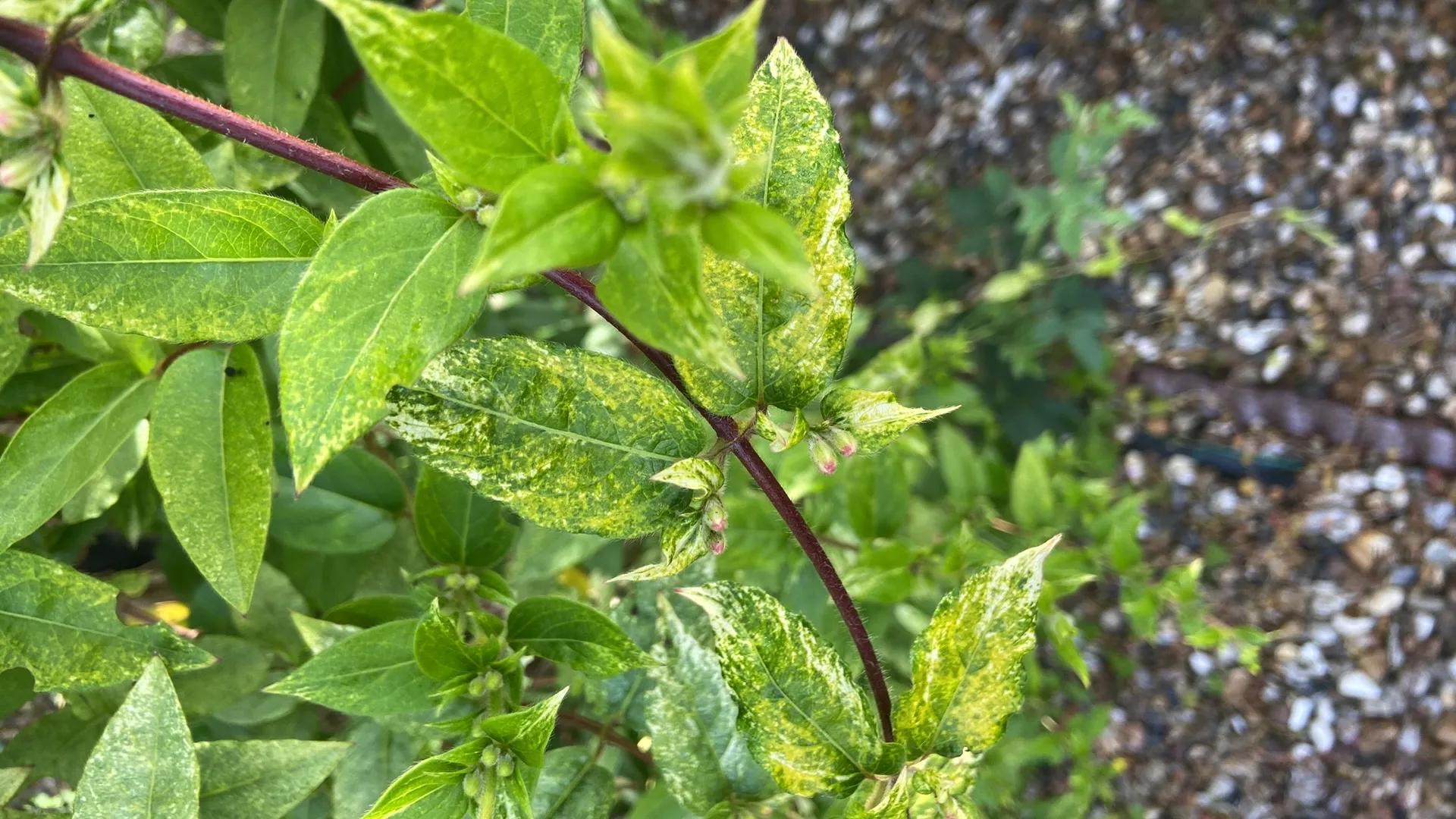
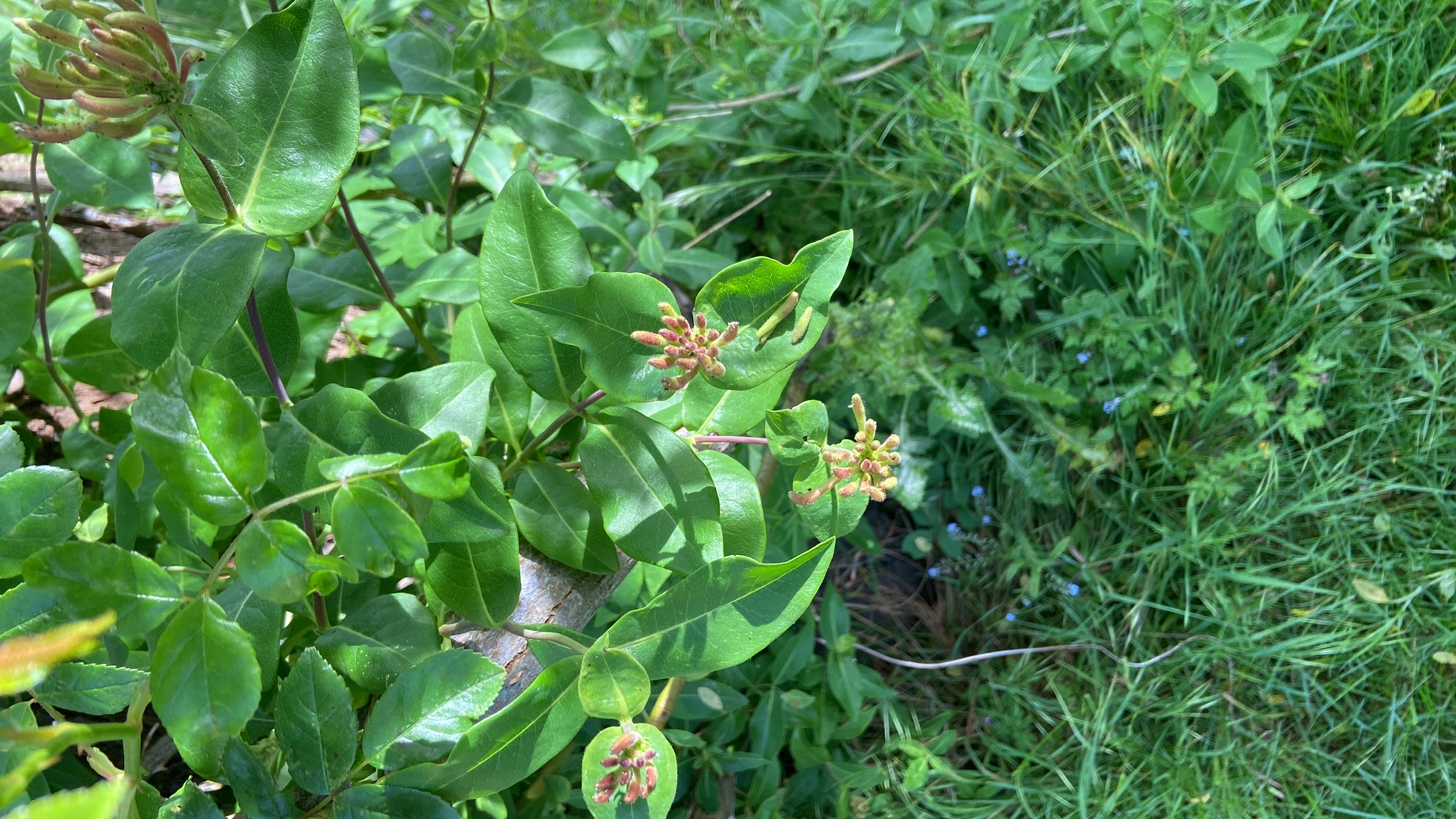
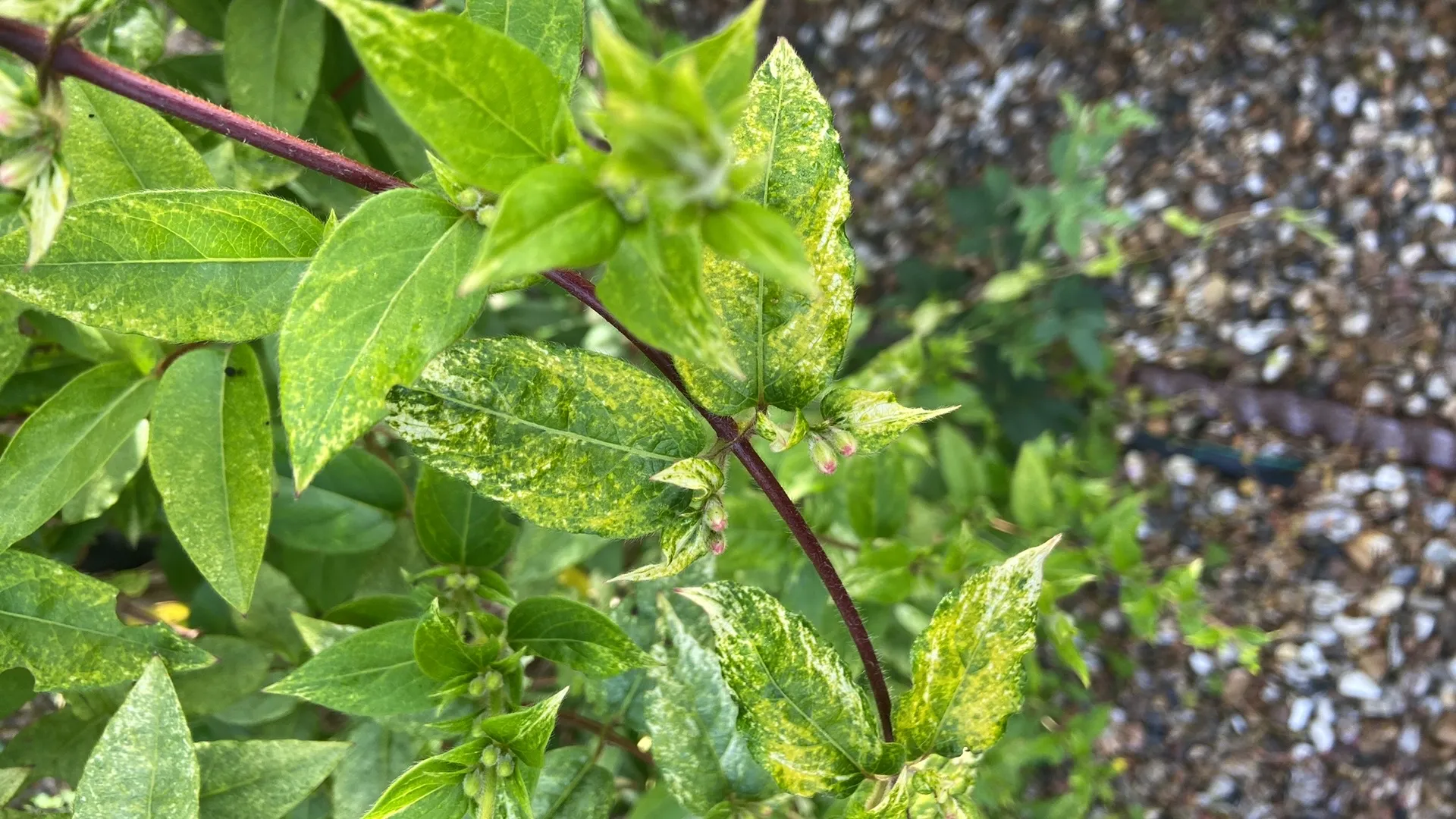
Thanks for getting in touch P, and brilliant photos! Being able to see the buds forming in mid May is really helpful for identifying what you've got. I love Honeysuckles, they are a brilliant climbing plant for moths, honey bees and other insects. I remember them vividly from my first garden in the 90's, but for some reason people then moved to clematis, and I struggle to convince gardeners to have a look back at fabulously semi-evergreen Honeysuckle for better year-round cover!
Let me walk you through what I can see and give you some proper guidance on pruning to keep them flowering well whilst maintaining that lovely arch structure.
Identifying Your Honeysuckles
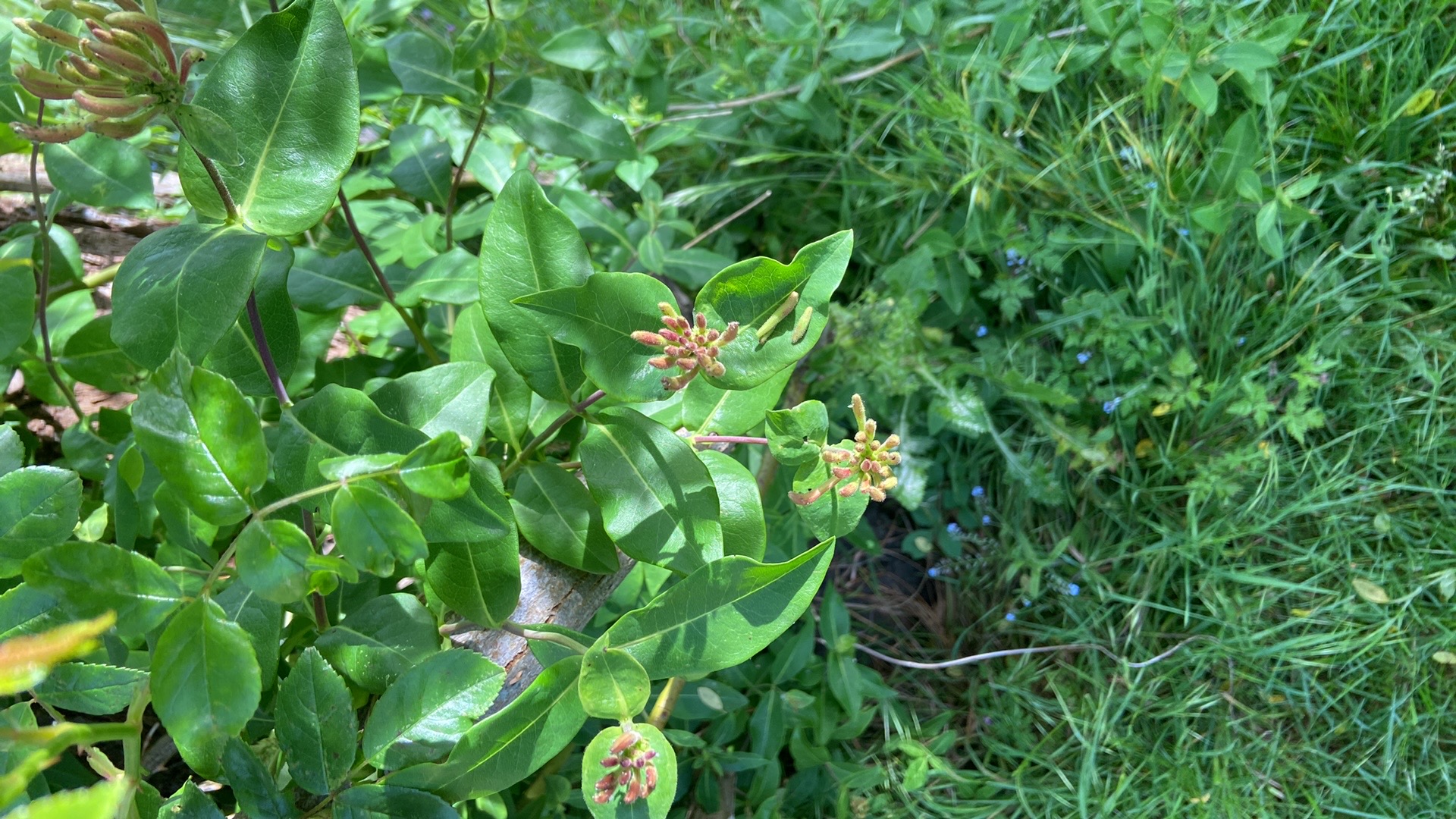
From your first image with the yellow flowers, that's almost certainly Lonicera periclymenum 'Graham Thomas', one of the absolute classics for British gardens. The positioning of those flower buds on what appears to be growth from the previous season is typical of this variety. Graham Thomas is a superb choice, producing those gorgeous creamy yellow blooms that are intensely fragrant, particularly in the evening when they're attracting moths for pollination.
Your second honeysuckle with the pink flowers looks to be Lonicera periclymenum 'Serotina' (often called Late Dutch Honeysuckle) or possibly 'Belgica' (Early Dutch Honeysuckle). The slightly larger flower buds and that pink colouring are characteristic of these varieties. Both are native to Britain and are absolutely brilliant for wildlife. If it flowers from June through to October, it's likely Serotina. If it flowers earlier, around May to June, with a possible repeat in late summer, you've probably got Belgica.
Understanding Honeysuckle Flowering Habits
Here's the crucial bit for your pruning strategy.
Most Lonicera periclymenum varieties, which include both of yours, flower on the current season's growth, but those stems develop from buds formed on the previous year's wood.
This is why you're seeing those flower buds appearing on stems that grew last year. What happens is the plant produces vigorous new shoots during spring and summer, and these shoots then produce their flowers on sideshoots and terminals as they mature through the season. It's a bit of both old and new wood working together, which is why timing your pruning properly is so important. So a lot of gardeners get confused!
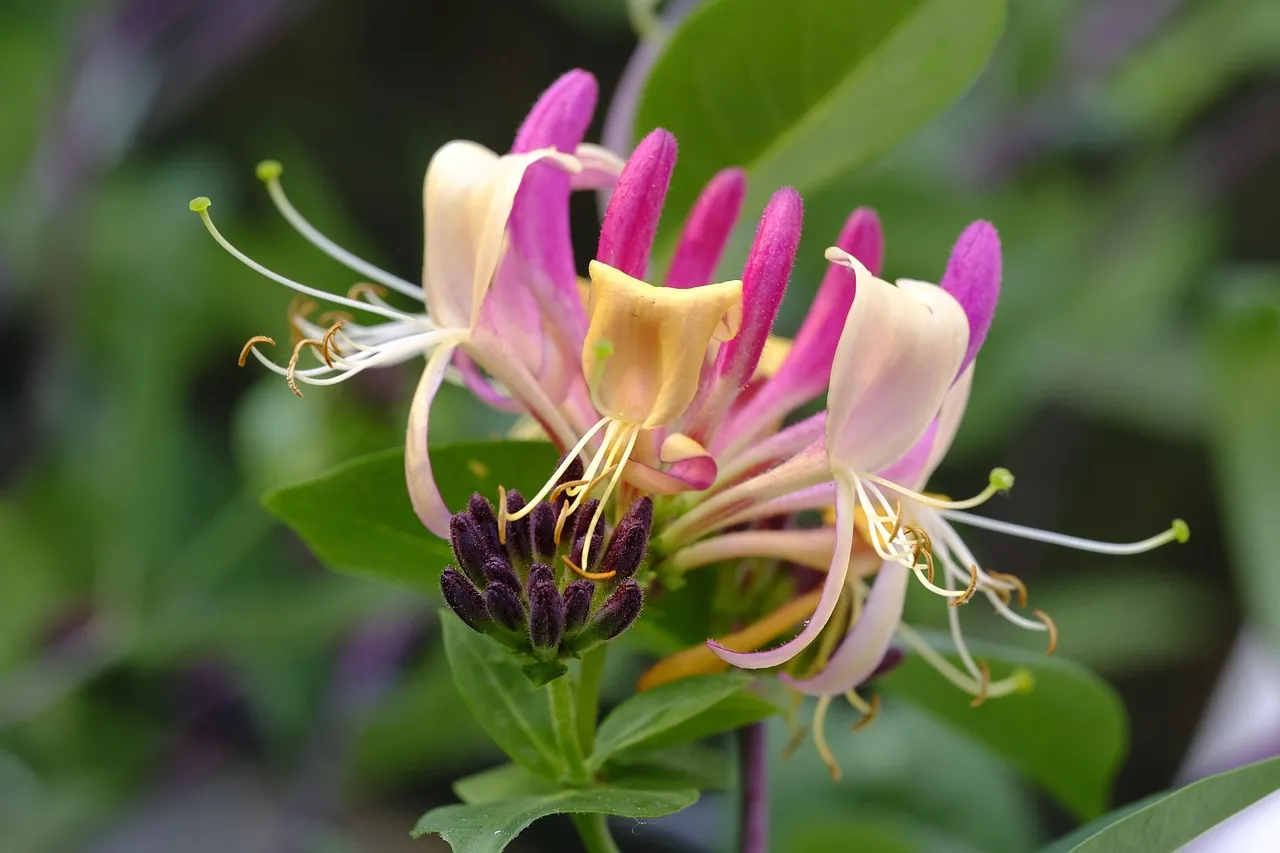
This flowering habit differs from some other honeysuckle species like Lonicera japonica (Japanese Honeysuckle), which flowers more reliably on brand new growth, or the winter flowering Lonicera fragrantissima, which flowers on older wood during the dormant season. Your British natives are much better behaved and far superior for wildlife than the invasive Japanese types.
As a rule of thumb, I only ever light-tough prune honeysuckle directly after they have flowered, just to be sure. You can winter prune them but you just need to be careful you don't hard prune all the potential flower buds off!
Why Honeysuckles Are Wildlife Superstars
Before we get into pruning, it's worth appreciating just how valuable your honeysuckles are for British wildlife. They're absolute powerhouses in a wildlife garden. The flowers produce copious amounts of nectar that's accessible to long-tongued bees, particularly garden bumblebees, as well as butterflies during the day. Come evening, they're magnets for hawk moths, especially the spectacular hummingbird hawk moth and elephant hawk moth, which are perfectly adapted to feed from those tubular flowers whilst hovering.
The berries that follow in autumn are eaten by at least 30 species of birds including thrushes, blackbirds, warblers and robins. Dormice absolutely love honeysuckle, both for the flowers and berries, though unless you're in specific areas of southern England you're unlikely to have these rare visitors. The dense, twining growth also provides excellent nesting sites for small birds like wrens, dunnocks and blackcaps. I've found several nests tucked away in established honeysuckles over the years.
Moths don't just feed on honeysuckles; many species also lay their eggs on them. The white-barred clearwing moth, for instance, has larvae that bore into honeysuckle stems, whilst several species of the beautifully named "footman" moths feed on honeysuckle leaves as caterpillars. This means your plants are supporting entire lifecycles, not just providing a quick snack, which is exactly what we want in a wildlife garden. Any ways, I digress waffling on about my love of wildlife vs how to prune your honeysuckle Ninja!!
Your Pruning Strategy for Compact, Flowering Growth
Let's get you sorted with a pruning regime that keeps your honeysuckles tidy on that arch whilst maximising flowers. The key is understanding that honeysuckles can become congested and bare at the base if left completely unpruned, but overzealous cutting will remove your flowering wood. You want to strike a balance between renewal and flower production.
Annual Maintenance Pruning (Late Winter to Early Spring)
The best time for your main prune is February through to early March, just before the plant breaks dormancy. At this stage you can see the framework clearly without leaves obscuring everything, and the plant will respond with vigorous new growth once temperatures warm up. This is when you want to remove about a quarter to a third of the oldest stems right down to the base, selecting the most congested, damaged or weakest growth. These old stems will often have peeling bark and will be noticeably thicker and woodier than younger growth.
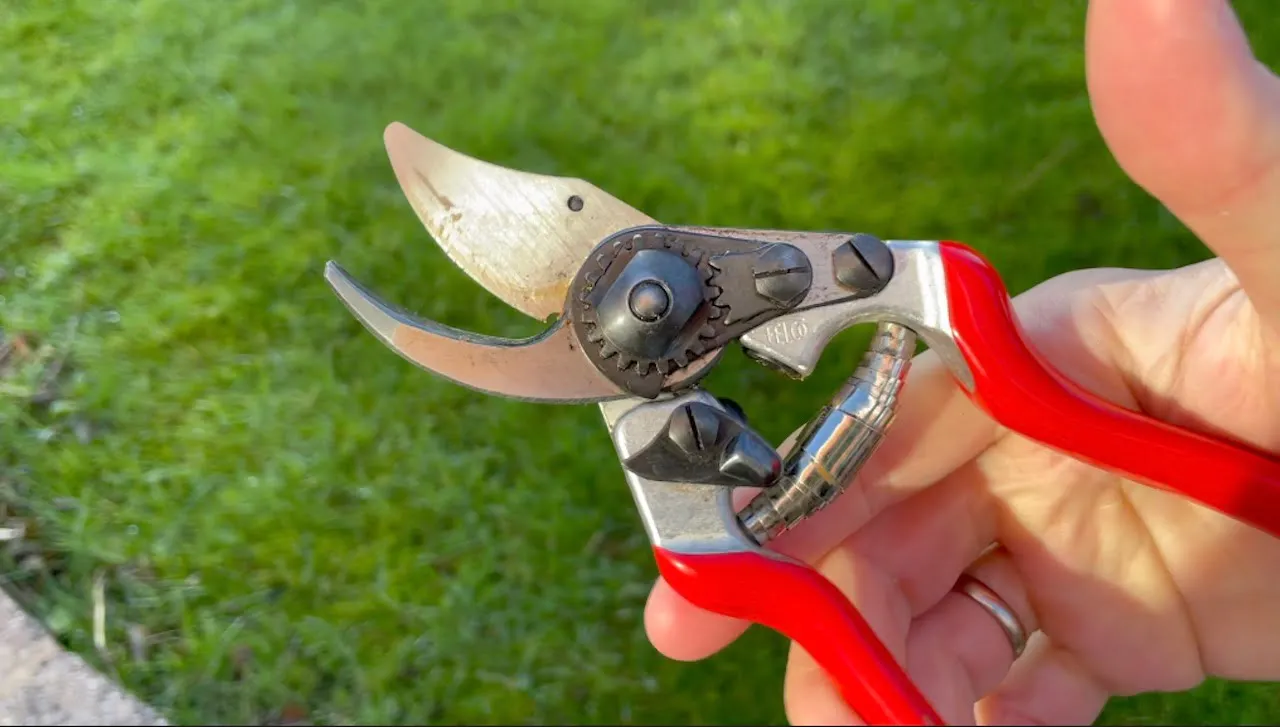
When you're cutting these old stems out, take them right back to near ground level or to a strong new shoot emerging lower down. This renewal pruning encourages fresh, vigorous stems to grow from the base, which will train nicely over your arch and flower well in their second season. Don't be tentative about this, honeysuckles are tough as old boots and will bounce back enthusiastically from hard pruning.
For the remaining stems that you're keeping, you can shorten sideshoots back by about a third to a half. Cut just above a healthy bud pair, angling your cut slightly to encourage the buds to break and produce those flowering sideshoots. This shortening also helps keep the overall size manageable for your arch. If you've got long whippy growth that shot up last summer, you can reduce this back by up to two-thirds if needed for your space. These will still produce flowers, just on a more compact framework.
Post Flowering Tidy (Mid to Late Summer)
After your main flush of flowers finishes, usually around July or August depending on the variety, you can do a light tidy up. This isn't essential but it helps with the overall shape and can encourage a second, lighter flush of flowers in autumn, particularly with Graham Thomas. Simply deadhead the spent flowers, cutting back to the first set of strong leaves. This stops the plant putting energy into seed production and redirects it into more growth and potentially more blooms.
If you're getting really vigorous shoots that are breaking out of your arch structure during the growing season, you can trim these back lightly to maintain the shape. Don't go mad with this summer pruning though, as you'll be removing potential flowering wood for next year. Just enough to keep things tidy and contained.
Renovation Pruning (If Things Get Really Out of Hand)
If your honeysuckles ever become completely congested, bare at the base, or you inherit them in a terrible state, they can take quite drastic renovation. You can cut the entire plant down to within 30 to 60 centimetres of the ground in late winter. They'll look brutal for a few months and you'll sacrifice that year's flowers, but they'll regenerate brilliantly with fresh, healthy growth that you can train properly. I've done this several times with neglected honeysuckles and they always come back stronger. It's quite liberating actually, giving them a complete fresh start.
Training on Your Arch
For keeping them compact on the arch structure, try to train the main stems as horizontally as possible, at least for part of their length. This encourages more sideshoots to break along the stem rather than all the energy going to the tips. It's the same principle as training fruit trees. The more horizontal the growth, the more flowering sideshoots you'll get. As new basal shoots emerge from your renewal pruning, weave these into gaps in your arch structure, tying them loosely with soft garden twine or reusable plant ties. Never use wire or anything that won't give as the stems expand.
Practical Pruning Tips
Always use sharp, clean secateurs or loppers for thicker stems. Blunt tools crush the stems rather than cutting cleanly, which invites disease. I give my secateurs a wipe with isopropyl alcohol or a weak bleach solution between plants to avoid spreading any potential problems. When you're working with honeysuckle, wear long sleeves as the sap can be slightly irritating to sensitive skin, though it's nothing compared to something like euphorbia.
After pruning, give your honeysuckles a good feed with a balanced fertiliser like blood, fish and bone, or a controlled release granular feed scattered around the base. Follow up with a thick mulch of well-rotted compost or manure, keeping it clear of the main stems to avoid rot. This feeds the soil organisms and helps retain moisture, which honeysuckles appreciate despite being quite drought tolerant once established.
https://youtu.be/5BhGtCjT2TQ
What to Avoid
Don't prune honeysuckles in autumn or early winter. Cutting them back at this time removes the framework that will carry next year's flowers and can stimulate soft new growth that gets damaged by frost. I've seen people absolutely butcher honeysuckles in November thinking they're being helpful, then wonder why there are no flowers the following summer. Late winter is your window, stick to that and you won't go far wrong.
Also resist the temptation to prune them into tight formal shapes like you might with a hedge. Honeysuckles want to twine and scramble naturally, with arching stems that carry flowers along their length. Fighting against this natural habit just creates more work and fewer flowers. Let them have some character and movement within your arch structure rather than trying to make them perfectly neat.
Your Specific Situation
Given that you've got two different varieties, you could stagger your pruning slightly if you wanted to be really precise, though honestly they'll both respond well to the same February to March timing. If you want to be cautious in your first year of implementing this regime, just take out a few of the very oldest stems rather than going for the full quarter to a third. You can always do more next year once you've seen how they respond. Better to under prune initially than to be too aggressive and panic when you see bare stems or just prune after flowering like I do!
For your arch trained one especially, the key is maintaining that balance between removal of old wood and keeping enough mature framework to support flowers. Think of it as a gradual rotation of stems over three to four years, so you're always getting that mix of established flowering wood and vigorous young growth coming through.
Keep an eye out for any pest or disease issues when you're pruning. Honeysuckles can occasionally get aphids on the soft new growth, which ants farm for honeydew, though these usually get sorted out by ladybirds and lacewings if you're patient. Powdery mildew can appear on the foliage in dry conditions, particularly late in the season. Good air circulation from sensible pruning helps prevent this, and it's rarely serious enough to require treatment. The worst problem I see with honeysuckles is usually neglect rather than pests, they're remarkably trouble free plants.
I hope that gives you a solid plan for keeping your honeysuckles flowering brilliantly whilst maintaining that lovely arch structure. They're such rewarding plants when they're properly looked after, and the wildlife benefits alone make them worth their weight in gold. If you've got any questions after your first pruning session, feel free to reach out.
Good luck with them!
Lee
Garden Ninja
Hi @bat135
Thanks for getting in touch P, and brilliant photos! Being able to see the buds forming in mid May is really helpful for identifying what you've got. I love Honeysuckles, they are a brilliant climbing plant for moths, honey bees and other insects. I remember them vividly from my first garden in the 90's, but for some reason people then moved to clematis, and I struggle to convince gardeners to have a look back at fabulously semi-evergreen Honeysuckle for better year-round cover!
Let me walk you through what I can see and give you some proper guidance on pruning to keep them flowering well whilst maintaining that lovely arch structure.
Identifying Your Honeysuckles
From your first image with the yellow flowers, that's almost certainly Lonicera periclymenum 'Graham Thomas', one of the absolute classics for British gardens. The positioning of those flower buds on what appears to be growth from the previous season is typical of this variety. Graham Thomas is a superb choice, producing those gorgeous creamy yellow blooms that are intensely fragrant, particularly in the evening when they're attracting moths for pollination.
Your second honeysuckle with the pink flowers looks to be Lonicera periclymenum 'Serotina' (often called Late Dutch Honeysuckle) or possibly 'Belgica' (Early Dutch Honeysuckle). The slightly larger flower buds and that pink colouring are characteristic of these varieties. Both are native to Britain and are absolutely brilliant for wildlife. If it flowers from June through to October, it's likely Serotina. If it flowers earlier, around May to June, with a possible repeat in late summer, you've probably got Belgica.
Understanding Honeysuckle Flowering Habits
Here's the crucial bit for your pruning strategy.
Most Lonicera periclymenum varieties, which include both of yours, flower on the current season's growth, but those stems develop from buds formed on the previous year's wood.
This is why you're seeing those flower buds appearing on stems that grew last year. What happens is the plant produces vigorous new shoots during spring and summer, and these shoots then produce their flowers on sideshoots and terminals as they mature through the season. It's a bit of both old and new wood working together, which is why timing your pruning properly is so important. So a lot of gardeners get confused!
This flowering habit differs from some other honeysuckle species like Lonicera japonica (Japanese Honeysuckle), which flowers more reliably on brand new growth, or the winter flowering Lonicera fragrantissima, which flowers on older wood during the dormant season. Your British natives are much better behaved and far superior for wildlife than the invasive Japanese types.
As a rule of thumb, I only ever light-tough prune honeysuckle directly after they have flowered, just to be sure. You can winter prune them but you just need to be careful you don't hard prune all the potential flower buds off!
Why Honeysuckles Are Wildlife Superstars
Before we get into pruning, it's worth appreciating just how valuable your honeysuckles are for British wildlife. They're absolute powerhouses in a wildlife garden. The flowers produce copious amounts of nectar that's accessible to long-tongued bees, particularly garden bumblebees, as well as butterflies during the day. Come evening, they're magnets for hawk moths, especially the spectacular hummingbird hawk moth and elephant hawk moth, which are perfectly adapted to feed from those tubular flowers whilst hovering.
The berries that follow in autumn are eaten by at least 30 species of birds including thrushes, blackbirds, warblers and robins. Dormice absolutely love honeysuckle, both for the flowers and berries, though unless you're in specific areas of southern England you're unlikely to have these rare visitors. The dense, twining growth also provides excellent nesting sites for small birds like wrens, dunnocks and blackcaps. I've found several nests tucked away in established honeysuckles over the years.
Moths don't just feed on honeysuckles; many species also lay their eggs on them. The white-barred clearwing moth, for instance, has larvae that bore into honeysuckle stems, whilst several species of the beautifully named "footman" moths feed on honeysuckle leaves as caterpillars. This means your plants are supporting entire lifecycles, not just providing a quick snack, which is exactly what we want in a wildlife garden. Any ways, I digress waffling on about my love of wildlife vs how to prune your honeysuckle Ninja!!
Your Pruning Strategy for Compact, Flowering Growth
Let's get you sorted with a pruning regime that keeps your honeysuckles tidy on that arch whilst maximising flowers. The key is understanding that honeysuckles can become congested and bare at the base if left completely unpruned, but overzealous cutting will remove your flowering wood. You want to strike a balance between renewal and flower production.
Annual Maintenance Pruning (Late Winter to Early Spring)
The best time for your main prune is February through to early March, just before the plant breaks dormancy. At this stage you can see the framework clearly without leaves obscuring everything, and the plant will respond with vigorous new growth once temperatures warm up. This is when you want to remove about a quarter to a third of the oldest stems right down to the base, selecting the most congested, damaged or weakest growth. These old stems will often have peeling bark and will be noticeably thicker and woodier than younger growth.
When you're cutting these old stems out, take them right back to near ground level or to a strong new shoot emerging lower down. This renewal pruning encourages fresh, vigorous stems to grow from the base, which will train nicely over your arch and flower well in their second season. Don't be tentative about this, honeysuckles are tough as old boots and will bounce back enthusiastically from hard pruning.
For the remaining stems that you're keeping, you can shorten sideshoots back by about a third to a half. Cut just above a healthy bud pair, angling your cut slightly to encourage the buds to break and produce those flowering sideshoots. This shortening also helps keep the overall size manageable for your arch. If you've got long whippy growth that shot up last summer, you can reduce this back by up to two-thirds if needed for your space. These will still produce flowers, just on a more compact framework.
Post Flowering Tidy (Mid to Late Summer)
After your main flush of flowers finishes, usually around July or August depending on the variety, you can do a light tidy up. This isn't essential but it helps with the overall shape and can encourage a second, lighter flush of flowers in autumn, particularly with Graham Thomas. Simply deadhead the spent flowers, cutting back to the first set of strong leaves. This stops the plant putting energy into seed production and redirects it into more growth and potentially more blooms.
If you're getting really vigorous shoots that are breaking out of your arch structure during the growing season, you can trim these back lightly to maintain the shape. Don't go mad with this summer pruning though, as you'll be removing potential flowering wood for next year. Just enough to keep things tidy and contained.
Renovation Pruning (If Things Get Really Out of Hand)
If your honeysuckles ever become completely congested, bare at the base, or you inherit them in a terrible state, they can take quite drastic renovation. You can cut the entire plant down to within 30 to 60 centimetres of the ground in late winter. They'll look brutal for a few months and you'll sacrifice that year's flowers, but they'll regenerate brilliantly with fresh, healthy growth that you can train properly. I've done this several times with neglected honeysuckles and they always come back stronger. It's quite liberating actually, giving them a complete fresh start.
Training on Your Arch
For keeping them compact on the arch structure, try to train the main stems as horizontally as possible, at least for part of their length. This encourages more sideshoots to break along the stem rather than all the energy going to the tips. It's the same principle as training fruit trees. The more horizontal the growth, the more flowering sideshoots you'll get. As new basal shoots emerge from your renewal pruning, weave these into gaps in your arch structure, tying them loosely with soft garden twine or reusable plant ties. Never use wire or anything that won't give as the stems expand.
Practical Pruning Tips
Always use sharp, clean secateurs or loppers for thicker stems. Blunt tools crush the stems rather than cutting cleanly, which invites disease. I give my secateurs a wipe with isopropyl alcohol or a weak bleach solution between plants to avoid spreading any potential problems. When you're working with honeysuckle, wear long sleeves as the sap can be slightly irritating to sensitive skin, though it's nothing compared to something like euphorbia.
After pruning, give your honeysuckles a good feed with a balanced fertiliser like blood, fish and bone, or a controlled release granular feed scattered around the base. Follow up with a thick mulch of well-rotted compost or manure, keeping it clear of the main stems to avoid rot. This feeds the soil organisms and helps retain moisture, which honeysuckles appreciate despite being quite drought tolerant once established.
What to Avoid
Don't prune honeysuckles in autumn or early winter. Cutting them back at this time removes the framework that will carry next year's flowers and can stimulate soft new growth that gets damaged by frost. I've seen people absolutely butcher honeysuckles in November thinking they're being helpful, then wonder why there are no flowers the following summer. Late winter is your window, stick to that and you won't go far wrong.
Also resist the temptation to prune them into tight formal shapes like you might with a hedge. Honeysuckles want to twine and scramble naturally, with arching stems that carry flowers along their length. Fighting against this natural habit just creates more work and fewer flowers. Let them have some character and movement within your arch structure rather than trying to make them perfectly neat.
Your Specific Situation
Given that you've got two different varieties, you could stagger your pruning slightly if you wanted to be really precise, though honestly they'll both respond well to the same February to March timing. If you want to be cautious in your first year of implementing this regime, just take out a few of the very oldest stems rather than going for the full quarter to a third. You can always do more next year once you've seen how they respond. Better to under prune initially than to be too aggressive and panic when you see bare stems or just prune after flowering like I do!
For your arch trained one especially, the key is maintaining that balance between removal of old wood and keeping enough mature framework to support flowers. Think of it as a gradual rotation of stems over three to four years, so you're always getting that mix of established flowering wood and vigorous young growth coming through.
Keep an eye out for any pest or disease issues when you're pruning. Honeysuckles can occasionally get aphids on the soft new growth, which ants farm for honeydew, though these usually get sorted out by ladybirds and lacewings if you're patient. Powdery mildew can appear on the foliage in dry conditions, particularly late in the season. Good air circulation from sensible pruning helps prevent this, and it's rarely serious enough to require treatment. The worst problem I see with honeysuckles is usually neglect rather than pests, they're remarkably trouble free plants.
I hope that gives you a solid plan for keeping your honeysuckles flowering brilliantly whilst maintaining that lovely arch structure. They're such rewarding plants when they're properly looked after, and the wildlife benefits alone make them worth their weight in gold. If you've got any questions after your first pruning session, feel free to reach out.
Good luck with them!
Lee
Garden Ninja
 Lee Burkhill: Award Winning Designer & BBC 1's Garden Rescue Presenters Official Blog