Hi @eleanor,
Welcome to the Garden Ninja forum and what a great question. It's been one I get asked a lot from people in more exposed gardens over the years. The honest answer is that it is not really a case of one being more important than the other because they work as a pair. The trick is to understand what each one is telling you and then find plants that can handle both conditions at once.
Aspect vs Exposure: Both Matter, But Here's How to Weigh Them Up
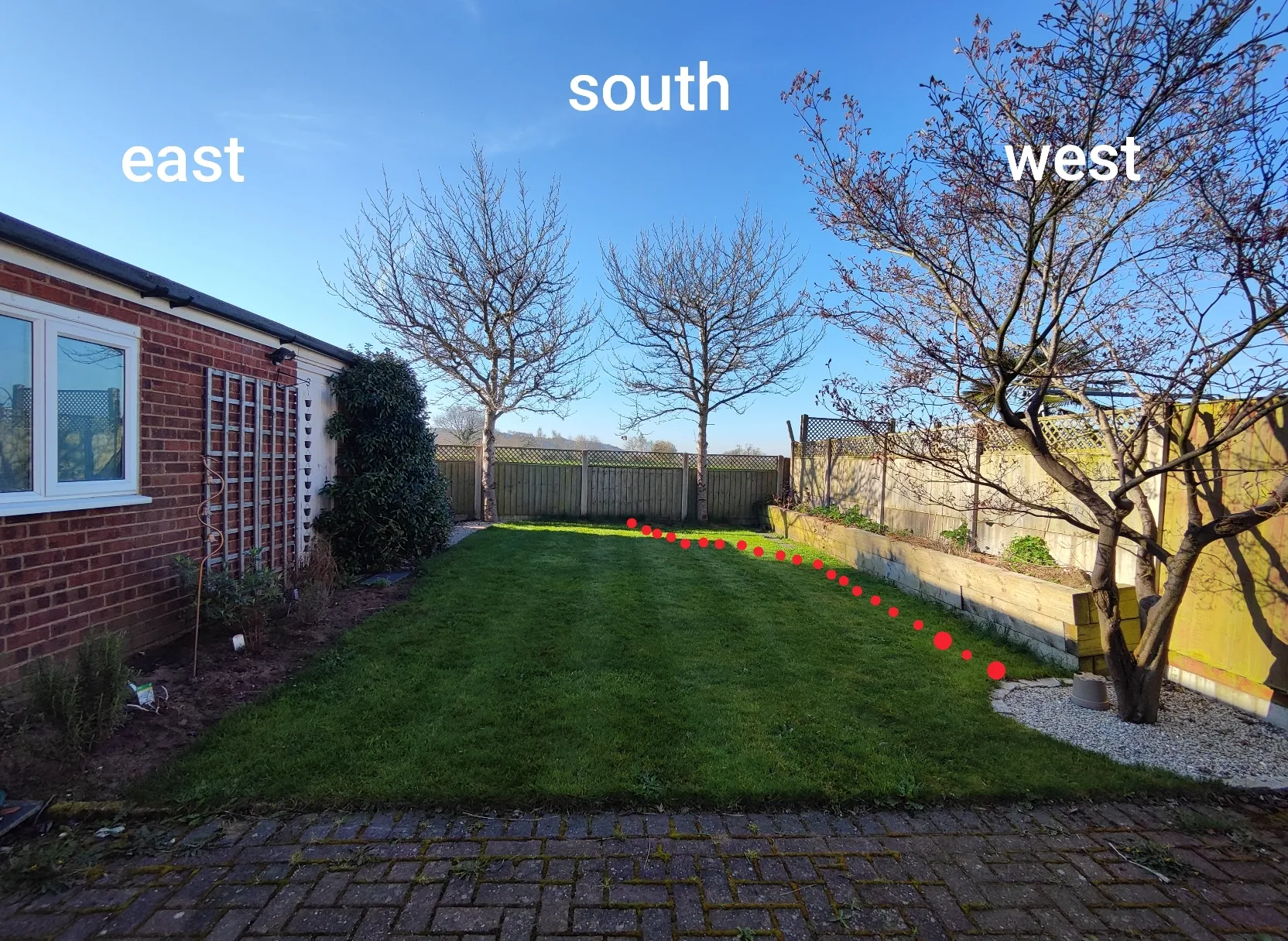
Aspect tells you the quality and duration of light a bed receives. Exposure tells you the physical stress a plant will endure while it is sitting in that light. A west-facing bed gets good afternoon and evening sun, but, as you have discovered with your Salvia 'Hot Lips', the south-westerly wind that typically accompanies it in an open garden can be punishing. An east-facing bed gets gentler morning sun and loses the light earlier in the day, but with the fence offering some shelter from that prevailing south-westerly, the growing conditions are actually quite reasonable for a wider range of plants.
Your instinct about the Salvia is sound. Salvia microphylla 'Hot Lips' is not especially wind-hardy, and it will genuinely do better in a less blasted position. Moving it to the east-facing bed, where it will still get a few hours of direct sun and have the fence as a buffer, is a sensible call. It will likely establish more strongly and hold its shape rather than getting battered back each winter.
For the west-facing exposed bed, you need to think like a coastal gardener. I have a full guide to coastal plants here on the site that is well worth a read: Top 25 Coastal Plants, Shrubs and Trees for UK Garden Design. Your situation backing onto open fields with a south-westerly wind is very similar to a coastal exposure, without the salt spray. The plants that thrive in those conditions share certain qualities: they tend to have small, leathery, or silvery leaves that reduce wind resistance and moisture loss, flexible stems that move with the wind rather than snapping against it, and a low centre of gravity that keeps them anchored.
https://youtu.be/bDn1o0Dztcw
Great candidates for your exposed west-facing bed include Eryngium (sea holly), Achillea, Echinops (globe thistle), Kniphofia, English lavender (Lavandula angustifolia), Crocosmia, and Agapanthus. All of these handle sun and wind without complaint and look absolutely stunning together through summer.
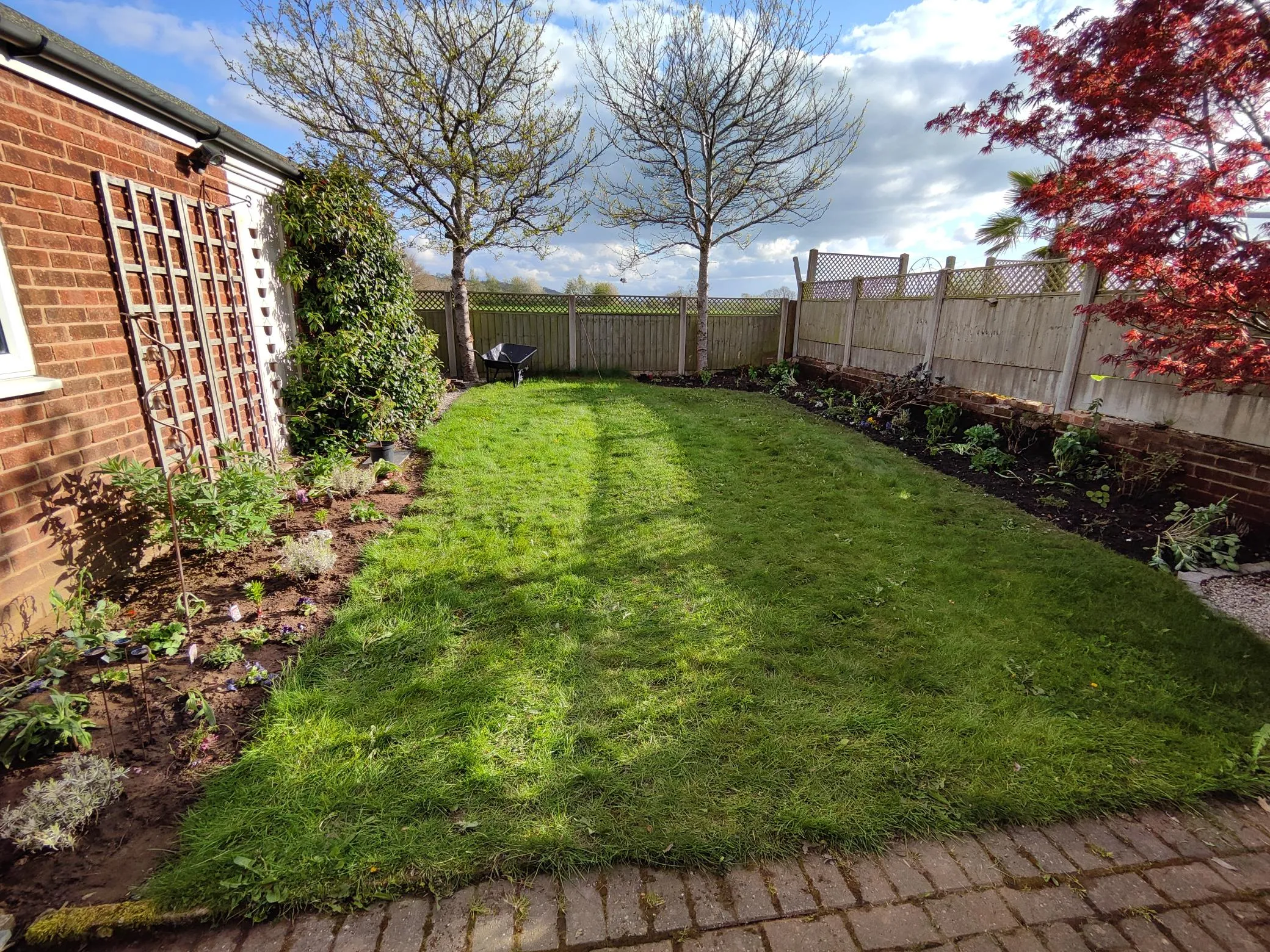
For the east-facing bed, the fence will provide welcome shelter from that prevailing wind, but there is another factor you need to factor in before you start plant shopping: the garage on the east side is going to cast significant shade into that bed, particularly in the morning when an east-facing aspect would normally be at its sunniest.
This changes things considerably. Rather than thinking of it as a sunny east-facing bed with some shelter, treat it as a partially shaded bed with occasional sun and choose your plants accordingly. The Salvia would still prefer more light than this bed may reliably deliver, so it is worth watching how the shadow from the garage moves across that space through the day before you commit to a planting scheme. A simple shade-mapping exercise on a clear day in spring or summer, just noting where the shadow falls at 9am, midday, and 3pm, will tell you everything you need to know.
If the garage shade is significant, plants like Geranium 'Rozanne', Astrantia, Aquilegia, Persicaria, and Digitalis will cope beautifully with partial shade and still give you a good long season of colour. If there are pockets that do catch a couple of hours of direct sun, Hemerocallis (day lilies) and Penstemon can bridge the gap between sun and shade tolerably well.
One thing I noticed from the picture you attached, and I say this with my designer's hat firmly on rather than any criticism, is that the proposed west-facing bed looks quite narrow. This is worth addressing by making it deeper, at least 1m. A border under about 80cm deep almost always ends up looking a bit forced and awkward, with plants lined up in a single row like they are waiting for a bus.
https://youtu.be/h7DfM3xqfR4
The magic of a flower bed really happens when you can layer plants from low at the front through to taller specimens at the back, and you need depth to do that well. I have written about why skinny borders are one of the most common mistakes people make, and how to fix it, in my guide to designing a long thin garden. Even widening that new bed to 1 to 1.2 metres, where you can, would make a huge difference to how it looks and how the plants perform.
Good luck with both beds. You are already thinking about this in exactly the right way.
Lee Garden Ninja
Hi @eleanor,
Welcome to the Garden Ninja forum and what a great question. It's been one I get asked a lot from people in more exposed gardens over the years. The honest answer is that it is not really a case of one being more important than the other because they work as a pair. The trick is to understand what each one is telling you and then find plants that can handle both conditions at once.
Aspect vs Exposure: Both Matter, But Here's How to Weigh Them Up
Aspect tells you the quality and duration of light a bed receives. Exposure tells you the physical stress a plant will endure while it is sitting in that light. A west-facing bed gets good afternoon and evening sun, but, as you have discovered with your Salvia 'Hot Lips', the south-westerly wind that typically accompanies it in an open garden can be punishing. An east-facing bed gets gentler morning sun and loses the light earlier in the day, but with the fence offering some shelter from that prevailing south-westerly, the growing conditions are actually quite reasonable for a wider range of plants.
Your instinct about the Salvia is sound. Salvia microphylla 'Hot Lips' is not especially wind-hardy, and it will genuinely do better in a less blasted position. Moving it to the east-facing bed, where it will still get a few hours of direct sun and have the fence as a buffer, is a sensible call. It will likely establish more strongly and hold its shape rather than getting battered back each winter.
For the west-facing exposed bed, you need to think like a coastal gardener. I have a full guide to coastal plants here on the site that is well worth a read: Top 25 Coastal Plants, Shrubs and Trees for UK Garden Design. Your situation backing onto open fields with a south-westerly wind is very similar to a coastal exposure, without the salt spray. The plants that thrive in those conditions share certain qualities: they tend to have small, leathery, or silvery leaves that reduce wind resistance and moisture loss, flexible stems that move with the wind rather than snapping against it, and a low centre of gravity that keeps them anchored.
Great candidates for your exposed west-facing bed include Eryngium (sea holly), Achillea, Echinops (globe thistle), Kniphofia, English lavender (Lavandula angustifolia), Crocosmia, and Agapanthus. All of these handle sun and wind without complaint and look absolutely stunning together through summer.
For the east-facing bed, the fence will provide welcome shelter from that prevailing wind, but there is another factor you need to factor in before you start plant shopping: the garage on the east side is going to cast significant shade into that bed, particularly in the morning when an east-facing aspect would normally be at its sunniest.
This changes things considerably. Rather than thinking of it as a sunny east-facing bed with some shelter, treat it as a partially shaded bed with occasional sun and choose your plants accordingly. The Salvia would still prefer more light than this bed may reliably deliver, so it is worth watching how the shadow from the garage moves across that space through the day before you commit to a planting scheme. A simple shade-mapping exercise on a clear day in spring or summer, just noting where the shadow falls at 9am, midday, and 3pm, will tell you everything you need to know.
If the garage shade is significant, plants like Geranium 'Rozanne', Astrantia, Aquilegia, Persicaria, and Digitalis will cope beautifully with partial shade and still give you a good long season of colour. If there are pockets that do catch a couple of hours of direct sun, Hemerocallis (day lilies) and Penstemon can bridge the gap between sun and shade tolerably well.
One thing I noticed from the picture you attached, and I say this with my designer's hat firmly on rather than any criticism, is that the proposed west-facing bed looks quite narrow. This is worth addressing by making it deeper, at least 1m. A border under about 80cm deep almost always ends up looking a bit forced and awkward, with plants lined up in a single row like they are waiting for a bus.
The magic of a flower bed really happens when you can layer plants from low at the front through to taller specimens at the back, and you need depth to do that well. I have written about why skinny borders are one of the most common mistakes people make, and how to fix it, in my guide to designing a long thin garden. Even widening that new bed to 1 to 1.2 metres, where you can, would make a huge difference to how it looks and how the plants perform.
Good luck with both beds. You are already thinking about this in exactly the right way.
Lee Garden Ninja

 Lee Burkhill: Award Winning Designer & BBC 1's Garden Rescue Presenters Official Blog