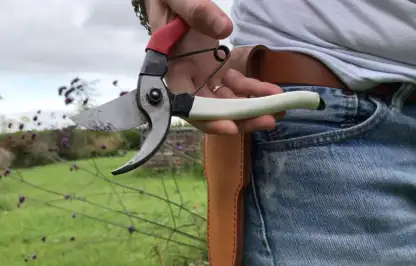
Winter Gardening
-

Best Gardening Gifts UK 2026: A Garden Designer’s Picks
🌿 Quick Answer The best gardening gifts are the ones a gardener will use every week: quality secateurs such as the Felco Elite, a forged trowel, Gold Leaf gloves, a foam kneeling pad, merino socks and sturdy work boots. For the gardener who has everything, try a Japanese pruning saw, a heated propagator, a plant […]
Read more -

Winter Vegetables UK: What to Grow and When to Sow Them
Quick Answer The best winter vegetables to grow in the UK are kale, Brussels sprouts, leeks, parsnips, swede, turnips, celeriac, winter cabbage, purple sprouting broccoli, chard and hardy salad leaves such as lamb’s lettuce and land cress. Most need sowing between spring and late summer so they are fully grown before November. Garlic, onion sets […]
Read more -
UK Winter Garden Jobs: A Month-by-Month Calendar
🌿 Quick Answer Winter gardening in the UK runs from November through February, and the priorities shift each month. November is for clearing up and protecting tender plants before the first hard frosts. December and January are mostly about structural pruning while plants are dormant, tool care, and keeping an eye on anything in a […]
Read more -

Is My Plant Dead or Dormant? Hostas, Hebes, Wisteria & More
Quick Answer Most plants that look dead in winter are simply dormant, having dropped their leaves or died back to the ground as a normal survival strategy against cold and low light. To check, scratch a fingernail against a stem or bend it gently: green and pliable means alive, brown and snapping means that particular […]
Read more -

Best Garden Shredder UK 2026: Honest Reviews & Buying Guide
🌱 Quick Answer For most UK gardens the Dirty Pro Tools Garden Shredder is the best all-rounder, powerful enough for a proper pruning clear-up and priced sensibly for occasional use. If you are shredding thick or woody branches regularly, the Makita UD2500 is quieter and far less prone to blocking. If you only need something […]
Read more -
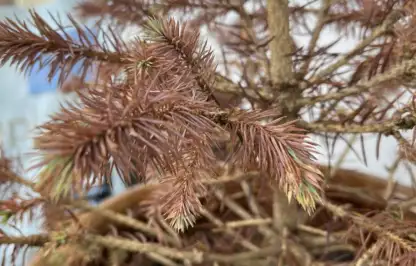
Why Is My Potted Christmas Tree Going Brown?
Quick Answer A potted Christmas tree goes brown mostly from drying out, either from being left neglected outdoors over summer or from too long indoors in warm, dry central heating. Once a conifer’s needles have died they will not turn green again, so the priority is stopping further browning through regular watering, good drainage and […]
Read more -

When & How to Plant Tulips: A Garden Designer’s UK Guide
🌱 Quick Answer Plant tulip bulbs in November, after the first hard frosts, in a sunny spot with sharp drainage. Set them three times their own depth, roughly 15 to 20cm down, pointy end facing up. Waiting until November rather than jumping in with the daffodils in September is the single biggest factor in avoiding […]
Read more -
Winter Gardening Jobs for Beginners: 10 Easy Tasks
🌿 Quick Answer Winter is one of the best times to get ahead in the garden. Prune dormant deciduous trees and shrubs, cut back herbaceous perennials once they’ve died down, plant bare root trees and hedging while they’re dormant, and tackle perennial weeds while borders are bare. Leave evergreens and anything that flowers on old […]
Read more -
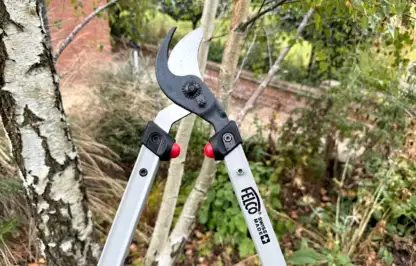
Best Garden Loppers UK 2026: A Garden Designer’s Honest Guide
Quick Answer: For branches between 25mm and 50mm thick, quality bypass tree loppers are the right tool. The Felco 221-80 is my top pick, since its 80cm handles reach most jobs without a ladder. For thicker or dead wood, a telescopic ratchet anvil lopper such as the Spear & Jackson Razorsharp handles what secateurs cannot. […]
Read more -
Winter vs Summer Pruning: What’s the difference?
🌿 Quick Answer Winter pruning happens while plants are dormant and encourages vigorous new growth, so it suits apples, roses, wisteria and gooseberries. Summer pruning happens while plants are in leaf and restricts growth while boosting flowers and fruit, so it suits plums, cherries, forsythia and trained fruit trees. Get the season wrong on a […]
Read more