For the garden you’ve already got, not the one you’re starting from scratch. Seven checklists and video lessons from BBC Garden Rescue’s Lee Burkhill, built to help you work out what’s worth keeping before you spend a penny.
69


Quick Answer
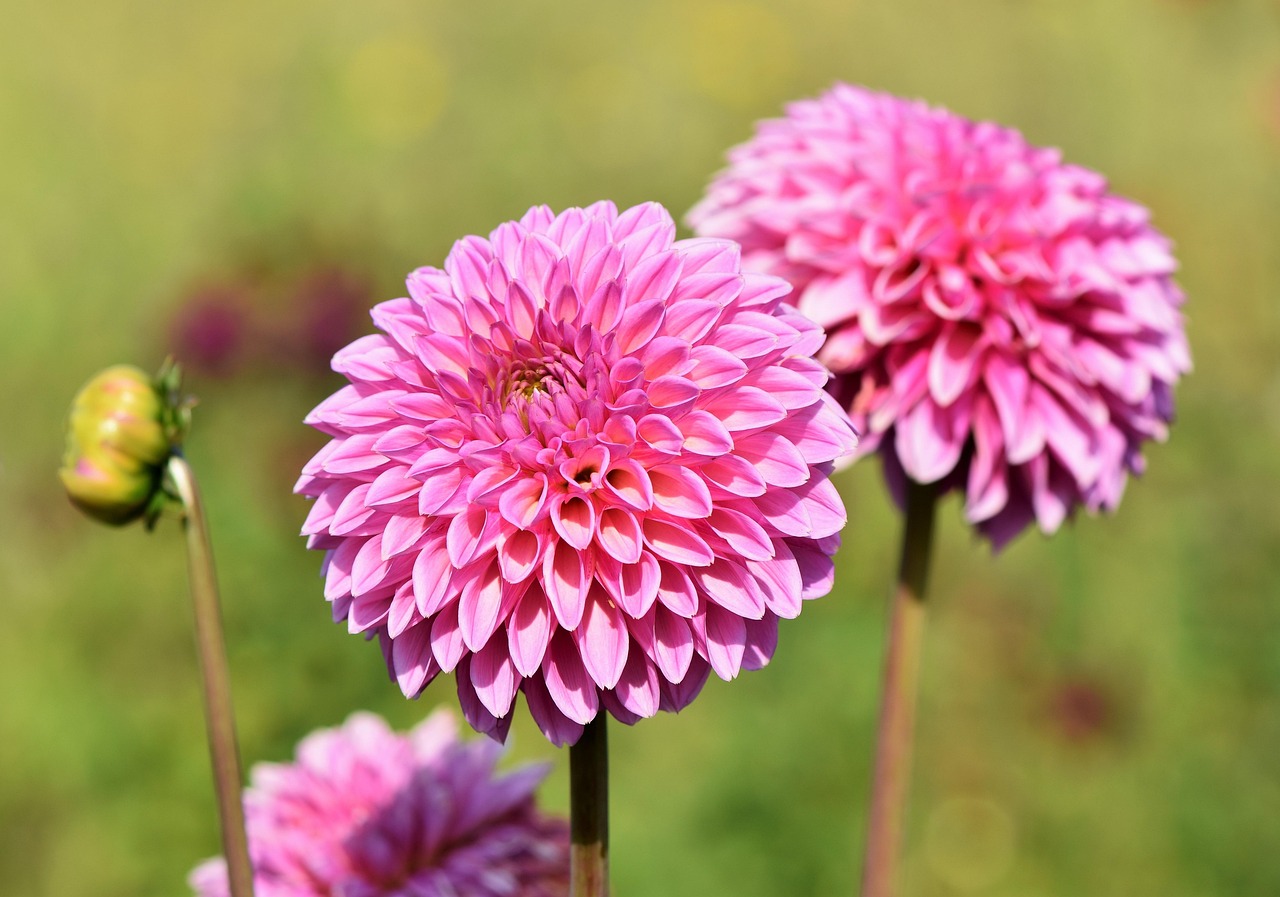
Lift Dahlias about a week after the first frost blackens the foliage, usually late October to mid November. Cut the stems back to 10 to 15cm, fork out the clump and dry the tubers upside down for one to two weeks. Store them in dry compost or vermiculite, frost-free at 5 to 10°C, and check monthly.
This guide covers the whole job, from deciding whether you need to lift at all, through the exact timing, digging, drying and storing, to the problems that ruin tubers over winter and how to wake them up again in spring. I have also included Gladioli and Cannas, since you lift them at the same time and store them much the same way. If you are new to Dahlias, my complete guide to growing Dahlias in the UK covers planting, feeding and the best varieties for beginners.
Jump To
This page contains affiliate links for products I use and love. If you take action (i.e. subscribe, make a purchase) after clicking a link, I may earn some gardening commission which helps me keep the Garden Ninja Blog free for all.
🛒 Buy the Felco 2 secateurs I use to cut Dahlias back from Amazon UK
Not always, and that is worth knowing before you dig up every plant in the garden. Dahlias are rated H3 by the RHS, which means they cope with temperatures down to about minus 5°C. The tuber itself sits below ground, so in a mild garden with free-draining soil a thick mulch is often enough to see them through. What kills Dahlias in winter is usually wet rather than cold: a tuber sitting in cold, waterlogged soil rots long before the frost reaches it. My guide to plant hardiness ratings explains what H3 means in practice.
As a rule of thumb, lift Dahlias if you garden on heavy clay, live in the north or anywhere that regularly drops below minus 5°C, or grow a variety you cannot easily replace. Leave them in the ground with a deep mulch if your soil drains well, your winters are mild, and you are happy to accept the odd loss. This table sums up the decision.
The right time to lift Dahlias is about a week after the first frost has blackened the foliage. In most of England that falls between late October and mid November, a little earlier in the north and in Scotland, and sometimes as late as December in a mild city garden or near the coast. The frost does two useful jobs. It tells the plant to go dormant, and in the week that follows the tuber skins harden up, which helps them store without rotting.

Do not be tempted to lift while the plants are still green and flowering. Tubers lifted too early have soft, immature skins that shrivel or rot in storage. Equally, do not leave it until the ground freezes solid, because a hard frost that penetrates the soil can damage the crown, and digging in frozen or waterlogged ground damages the tubers. If no frost has arrived by mid November, cut the plants back anyway and lift them on a dry day once the foliage starts to yellow. The frost map above gives a rough idea of first frost dates in your area, and my UK winter garden jobs calendar shows where lifting fits alongside everything else in late autumn.
Pick a dry day if you can. Tubers lifted from sticky, wet soil carry far more mud into storage, take longer to dry, and are more likely to rot.
The kit list is short, and you probably own most of it already. You need a garden fork rather than a spade, because the tines ease the clump out without slicing through tubers; my guide to the best garden spades and forks covers the ones I use. You also need a sharp pair of secateurs to cut the stems back, plant labels and a pencil, a few shallow crates or cardboard boxes, and something dry to bury the tubers in, such as peat-free compost, vermiculite or horticultural sand.
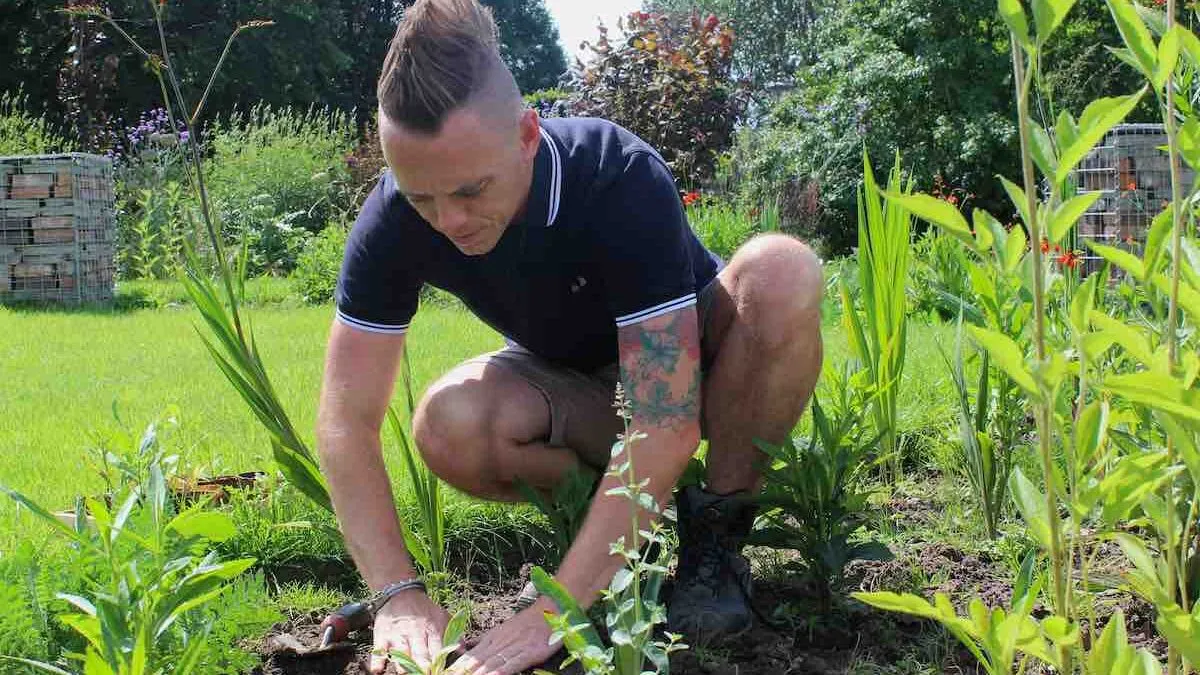
Wear gloves too. Dahlia stems are hollow and full of cold, muddy water by November, and lifting a dozen clumps is a muddy job.
🛒 Buy the Gold Leaf gardening gloves I use from Amazon UK
🛒 Buy plant labels for marking Dahlia varieties from Amazon UK
Once the foliage has gone, every Dahlia tuber looks the same, so label each plant with its variety and colour while you can still see what it is. Tie the label to the stem or push it into the soil next to the clump, ready to go into the storage box with the tubers.
Cut each stem back to about 10 to 15cm above the ground with clean secateurs. Leaving a short stump gives you something to hold, shows you where the crown is, and keeps the label attached. The blackened foliage can go on the compost heap as long as it is free of disease.
Push your fork into the ground about 30cm away from the stem, all the way round the plant, and lever gently to loosen the soil. Dahlia clumps spread wider than most people expect, and the commonest mistake is forking straight through a tuber by digging too close. Work round in a circle until the whole clump feels loose.
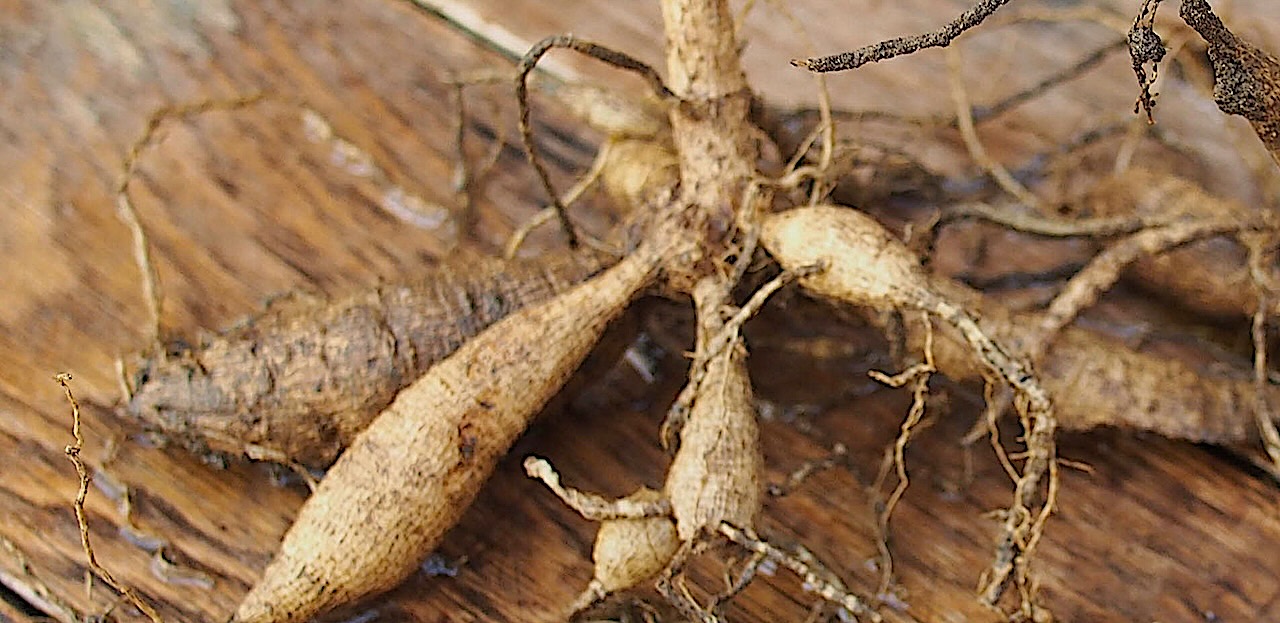
Slide the fork underneath and lift the whole clump out. Never pull on the stem, because the neck where the tubers join the crown is the weakest point, and a tuber snapped off at the neck will not grow next year, even if it looks healthy.
Shake or gently knock off as much soil as you can. On heavy clay you may need to hose the clump down, which is fine as long as you give it longer to dry afterwards. Check for soft, rotten or damaged tubers and cut them off now, since rot spreads quickly through a clump in storage.
Stand each clump upside down, stem stump downwards, for the first few days. Dahlia stems are hollow and hold water, and if that water drains back into the crown it can rot the clump from the middle. A crate or a few sheets of newspaper on the floor of a shed or garage works well.
Leave the tubers to dry in a cool, airy, frost-free place such as a shed, garage or greenhouse for one to two weeks, until the skins feel dry and papery and the remaining soil brushes off easily. Do not dry them somewhere warm, like an airing cupboard or next to a radiator, because they will shrivel.
Store Dahlia tubers somewhere cool, dark and frost-free, at around 5 to 10°C, buried in a dry material that stops them drying out completely. The aim is to keep them dormant: too warm and they start sprouting early, too wet and they rot, too dry and they shrivel to nothing by March.
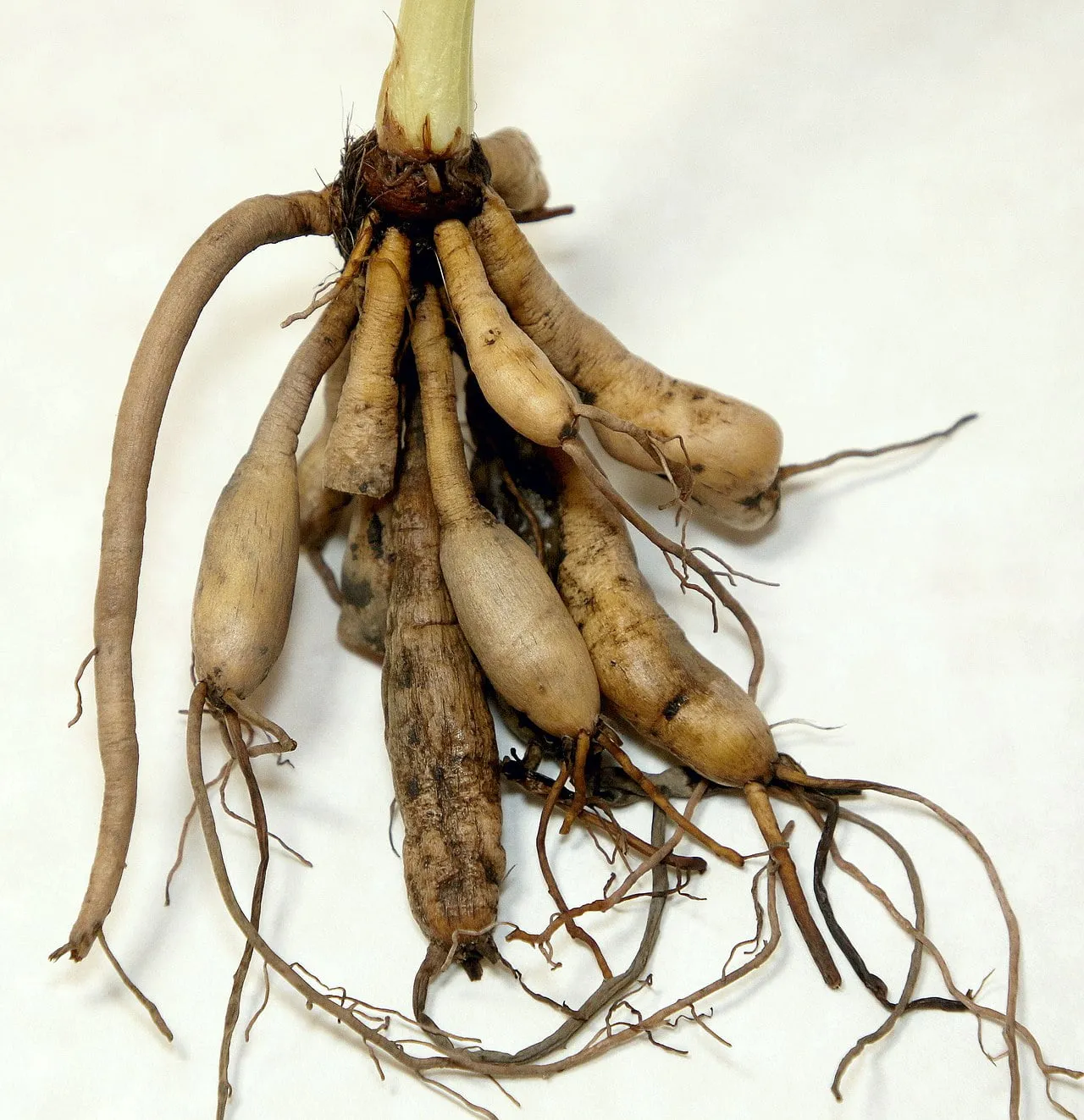
Lay a few centimetres of your storage material in the bottom of a crate or cardboard box, set the tubers on it crown upwards with their labels, and cover them so just the stem stumps show. Any of these materials work well:
🛒 Buy horticultural vermiculite for storing tubers from Amazon UK
Avoid plastic bags and sealed tubs. They trap moisture, and a box of tubers in a sealed tub is a box of mould by January. Shallow wooden crates or cardboard boxes let the tubers breathe, and they are easier to check.
🛒 Buy wooden storage crates for tubers from Amazon UK
Where you keep the boxes matters as much as what is in them. A frost-free garage, a cool spare room, a cellar or an insulated shed all work. A loft is usually too warm and dry, and an uninsulated shed can drop below freezing in a cold snap, so in a hard frost throw an old blanket or a layer of fleece over the boxes. Check the tubers once a month: if any are shrivelling, mist the storage material very lightly with water, and if any are soft or mouldy, remove them straight away before the rot spreads.
Dahlias in containers are the easiest of all to overwinter, because you can move the whole pot rather than lifting anything. Once frost has blackened the foliage, cut the stems back to 10 to 15cm, tip the pot on its side for a few days to drain, and move it into a frost-free garage, shed or greenhouse. Keep the compost almost completely dry until spring, and the tubers will stay dormant in their pot. My guide to protecting container plants from winter frost covers the options if you have nowhere frost-free to put them.
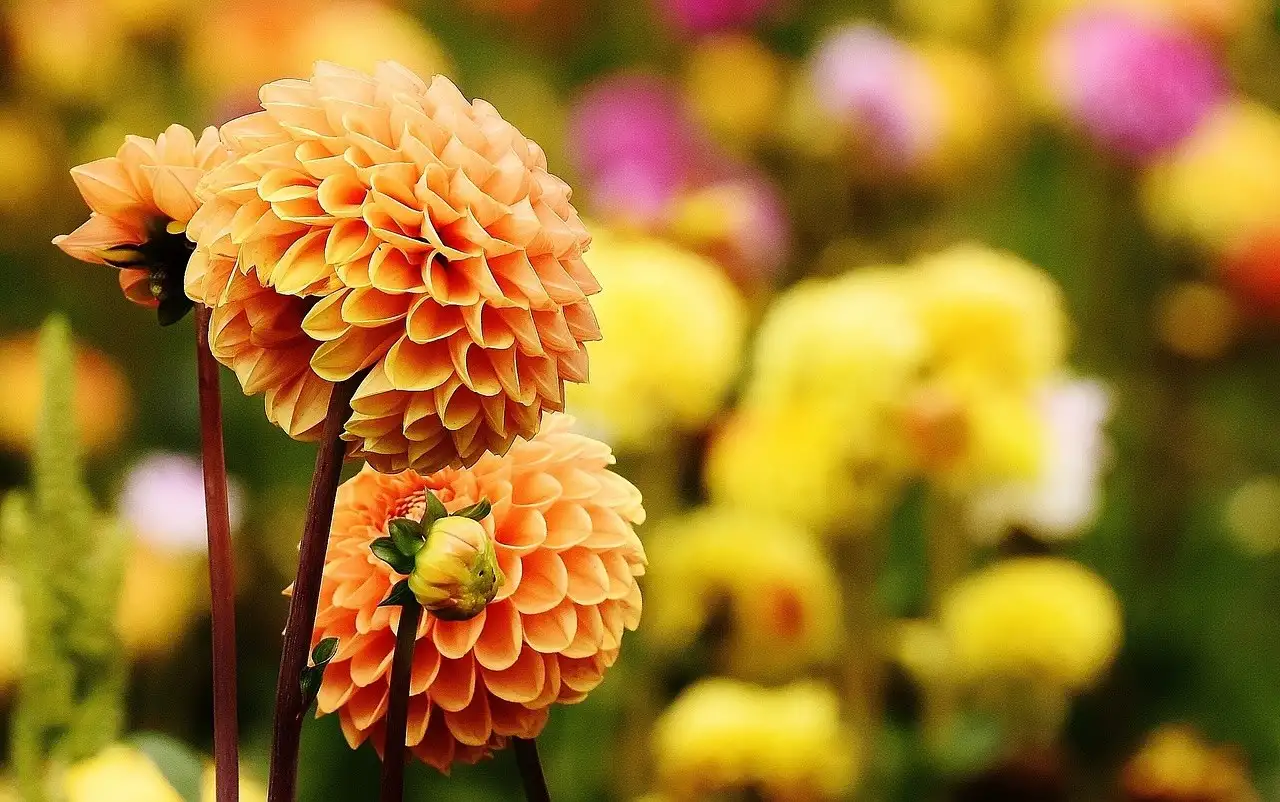
If space is tight, tip the pot out, lift the clump and store it in a box like a border-grown Dahlia. A row of large pots takes up a lot of garage floor, and a crate of tubers takes up very little.
If you decide to leave your Dahlias in the ground, give them the best chance with a thick mulch. Cut the stems back to ground level once the frost has blackened them, then spread a 10 to 15cm layer of bark, well-rotted compost or straw over the crown. My guide to mulching your garden explains which materials to use. Mark where each plant is with a cane, so you do not dig into it in early spring before the shoots appear.

Plants left in the ground tend to come up a little later in spring and can suffer more slug damage on the young shoots, so put out slug protection as soon as growth appears in April. Expect the occasional loss in a wet winter, and if a plant does not reappear by early June, it is worth checking my guide to telling whether a plant is dead or dormant before giving up on it.
Rotting tubers. Soft, mushy or foul-smelling tubers are almost always the result of storing them too wet or before they had dried properly. Cut away any rot back to firm, clean flesh and leave the cut surface to dry before returning the tuber to its box. If the whole clump has gone soft, throw it away.
Shrivelled tubers. Wrinkled, papery tubers have dried out, usually because they were stored somewhere too warm or in too little material. Mist the storage material lightly and move the box somewhere cooler. A slightly wrinkled tuber often plumps up again once it is potted and watered in spring.
Mould on the surface. A little white mould on the skin can be wiped off with a dry cloth. Increase the air flow around the boxes and check the material is not damp.
Early sprouting. If shoots appear in January or February, the store is too warm or too light. Move the box somewhere cooler and darker, or pot the tubers up early and grow them on somewhere frost-free and bright.
Mice. Mice and rats will eat Dahlia tubers in a shed or garage. Store the boxes off the floor, on a shelf, and cover them with a sheet of mesh if you know rodents are about.
Tubers with no eyes. A Dahlia tuber will only sprout from an eye on the crown where it joins the old stem. A tuber that has snapped off below the crown will never grow, however healthy it looks, so handle the necks carefully when lifting and dividing.
Dahlias are not the only summer flowers that need winter protection. While you have the fork out, these are the others worth lifting at the same time.
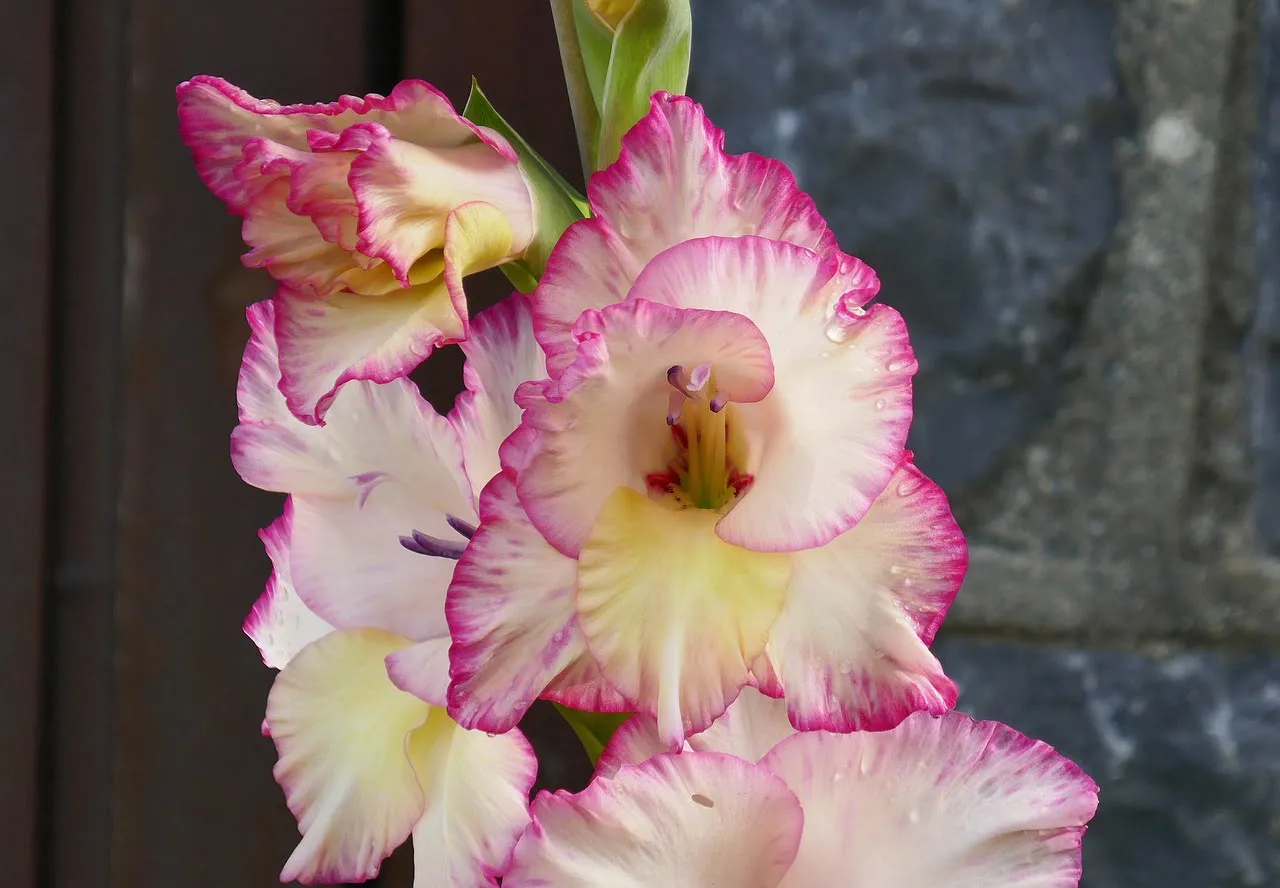
Lift Gladioli corms once the foliage has turned yellow or been blackened by frost, usually in October. Cut the leaves back to a couple of centimetres, dry the corms for two weeks somewhere airy, then snap off the shrivelled old corm from the base of the new one, along with any tiny cormlets you want to grow on. Store the cleaned corms in paper bags or trays somewhere cool, dry and frost-free.
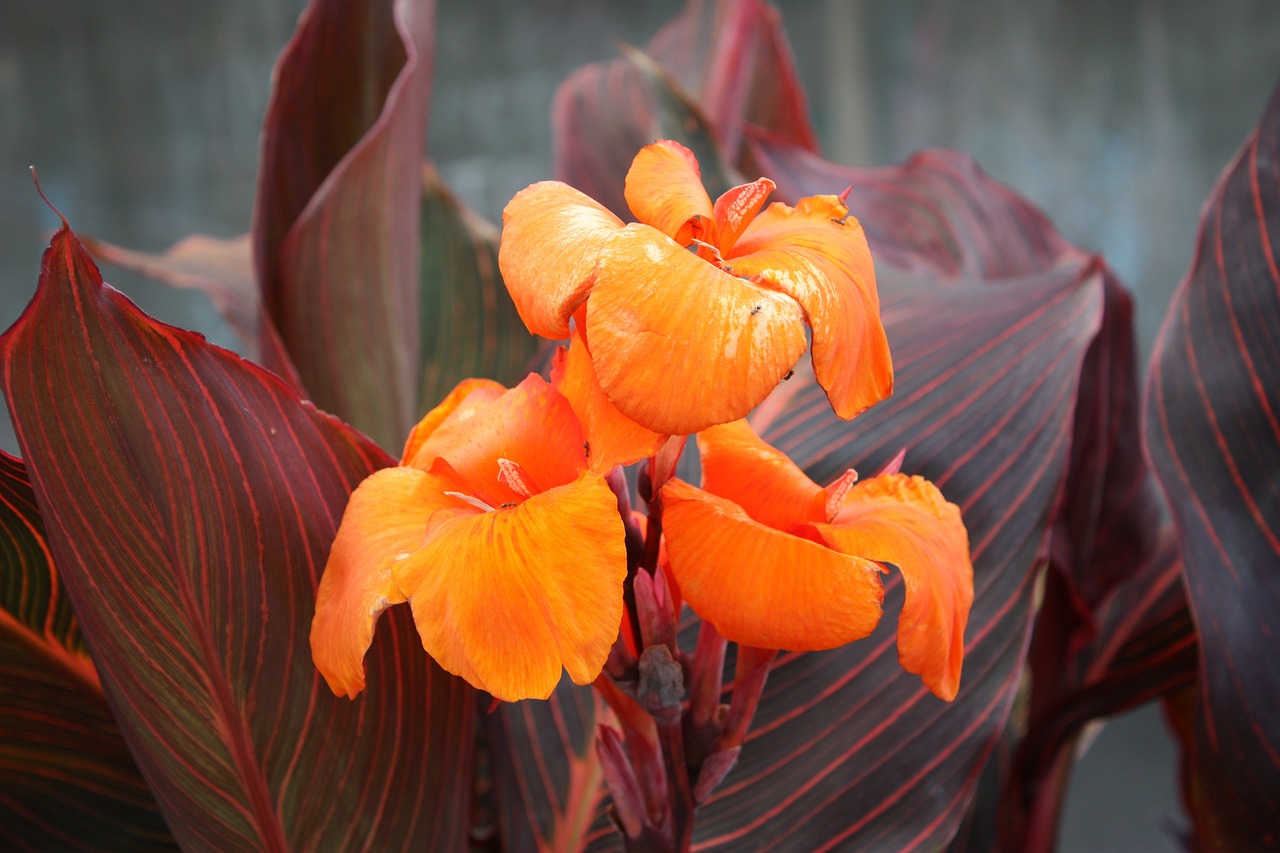
Cut Canna foliage back to about 10cm once the frost has blackened it, then lift the rhizomes and store them exactly like Dahlias, buried in barely damp compost in a frost-free place. Cannas dry out more easily than Dahlias, so keep the compost very slightly moist rather than bone dry. In a sheltered city garden with free-draining soil, a thick mulch is often enough to see them through.
Tuberous Begonias grown in pots and baskets should be dried off and stored in their pots, or lifted and kept in dry compost, in exactly the same way. Most Eucomis (Pineapple Lilies) are hardy enough to leave in the ground with a mulch in southern gardens, but in pots they are happier moved somewhere frost-free and kept dry over winter.
In March or early April, check your stored tubers and pot them up into large pots of peat-free multipurpose compost, with the crown just level with the surface. Water lightly and keep them somewhere bright and frost-free, such as a greenhouse, porch or cool windowsill, and shoots usually appear within three to four weeks. This is also the best time to divide large clumps, because you can see exactly where the eyes are: cut the clump into sections with a clean knife, making sure every piece has at least one eye and a section of crown. My Dahlia growing guide covers pinching out, staking and feeding once they are growing.
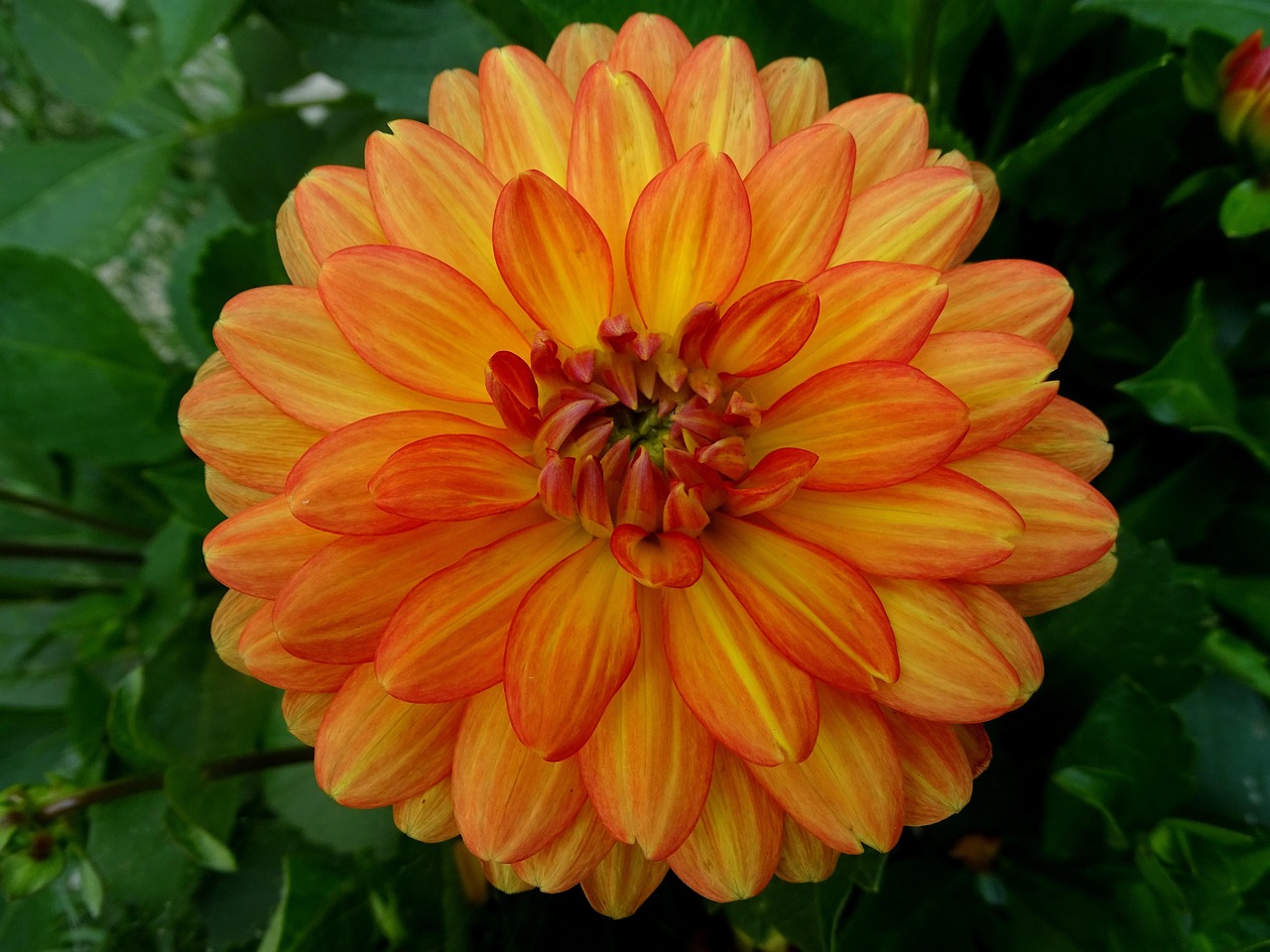
Harden the young plants off for a week or two and plant them out once the risk of frost has passed, usually in late May in most of the UK. Plants started early from stored tubers are larger, stronger and flower weeks sooner than tubers planted straight into cold ground.
Lift Dahlias about a week after the first frost has blackened the foliage, which in most of the UK is between late October and mid November. In the north it can be a little earlier, and in mild coastal or city gardens it can be as late as December. If no frost has arrived by mid November, cut the plants back and lift them on a dry day anyway.
Yes, in a mild garden with free-draining soil. Cut the stems back to the ground after frost and cover the crown with a 10 to 15cm mulch of bark, compost or straw. On heavy clay, in the north, or in a cold frost pocket, lift them, because cold, wet soil rots the tubers more often than frost kills them.
Dry the lifted tubers upside down for one to two weeks somewhere frost-free, then bury them in shallow boxes of dry peat-free compost, vermiculite or horticultural sand with just the stem stumps showing. Keep the boxes somewhere cool, dark and frost-free at around 5 to 10°C, and check them once a month for rot or shrivelling.
Store Dahlia tubers at around 5 to 10°C. Below freezing the tubers are damaged, and much above 10°C they start to shrivel or sprout too early. A frost-free garage, cellar or insulated shed is ideal; a heated room or loft is usually too warm.
Yes. Cut the stems back to 10 to 15cm above the ground before you lift. The short stumps show you where the crown is, give you something to hold and keep the variety label attached, and they can drain upside down once the clump is out of the ground.
You do not need to, but it is fine to hose off heavy clay so you can check for rot. The important thing is to let the tubers dry thoroughly for one to two weeks afterwards, because washed tubers that go into storage damp are the most likely to rot.
I would not. Plastic bags and sealed tubs trap moisture, and the tubers often go mouldy or rot by midwinter. Use shallow wooden crates, cardboard boxes or paper sacks instead, filled with dry compost, vermiculite or sand, so the tubers can breathe.
Cut the stems back to 10 to 15cm after the first frost, tip the pot on its side for a few days to drain, then move it into a frost-free garage, shed or greenhouse. Keep the compost almost dry until March, when you can start watering again to wake the tubers up.
Rot is almost always caused by storing tubers wet, either because they were not dried for long enough after lifting, water drained from the hollow stems into the crown, or they were kept in plastic or somewhere damp. Dry them upside down for a week or two before storing, use a dry material, and check them monthly so you can remove any soft tubers before the rot spreads.
Spring is the best time to divide Dahlia tubers, when you pot them up in March or April and the eyes start to swell, because you can see exactly where the growing points are. Every piece needs at least one eye and a section of the crown. You can divide in autumn after lifting, but the eyes are much harder to spot.

Join over 100,000 gardeners on YouTube
Free gardening videos from the Garden Ninja, with 8 million views and counting.
Subscribe on YouTube, it’s freeWinter is when I do most of my planning, and a box of labelled Dahlia tubers in the garage is a reminder to work out where they will go next year. My online garden design courses take you through the same process I use for client gardens, from measuring up to a finished planting plan.
With courses starting from just £29, you can have next summer’s borders planned before your tubers even wake up.
For the garden you’ve already got, not the one you’re starting from scratch. Seven checklists and video lessons from BBC Garden Rescue’s Lee Burkhill, built to help you work out what’s worth keeping before you spend a penny.
Garden Design Examples for Small Gardens: 30 Design Templates & Planting Plans: In this online gardening course, I’ll walk you through 30 fantastic garden designs, explaining the logic behind the layout, the plant choices, and take-home tips for applying them in your own garden.
Learn how to transform and design your own garden with Lee Burkhills crash course in garden design. Over 5 hours Lee will teach you how to design your own dream garden. Featuring practical design examples, planting ideas and video guides. Learn how to design your garden in one weekend!
Garden Design for Beginners Online Course: If you want to make the career jump to becoming a garden designer or to learn how to design your own garden, this is the beginner course for you. Join me, Lee Burkhill, an award-winning garden designer, as I train you in the art of beautiful garden design.
Lifting and storing Dahlias takes an afternoon in November and saves you buying new tubers every spring. Wait for the first frost to blacken the foliage, cut back to 10 to 15cm, lift with a fork, dry the clumps upside down for one to two weeks, then store them in dry compost, vermiculite or sand somewhere cool, dark and frost-free. Check them once a month, and in March pot them up to give them a head start.
If your soil drains well and your winters are mild, a deep mulch is a workable alternative, and Dahlias in pots only need moving into a frost-free shed or garage. Lift Gladioli and Cannas at the same time, and when spring arrives my complete Dahlia growing guide picks up where this one leaves off.
Happy gardening from The Garden Ninja! 🌿


Lee Burkhill, known as the Garden Ninja, is an award-winning garden designer and horticulturist with over 30 years of gardening experience and 15 years as a professional garden designer. A qualified RHS (Royal Horticultural Society) professional, Lee specialises in sustainable garden design and practical horticultural advice. He designs and presents on BBC1’s Garden Rescue and in leading gardening publications. Lee combines three decades of hands-on gardening knowledge with professional design qualifications to help gardeners create beautiful, functional outdoor spaces.
View all posts by Lee Burkhill









JOIN THE NINJAS
Be the first in line for new Guides, Discount codes and Offers