For the garden you’ve already got, not the one you’re starting from scratch. Seven checklists and video lessons from BBC Garden Rescue’s Lee Burkhill, designed to help you decide what’s worth keeping before you spend a penny.
69


Quick answer: Get ahead of bumper crops by separating apples as they come off the tree and use windfalls and bruised fruit first. Turn a glut into apple sauce, chutney or apple butter within a few days of picking, or freeze prepared slices for later. Unblemished apples wrapped individually in newspaper and stored somewhere cool, dark and around 0 to 4°C will keep for four to six months.
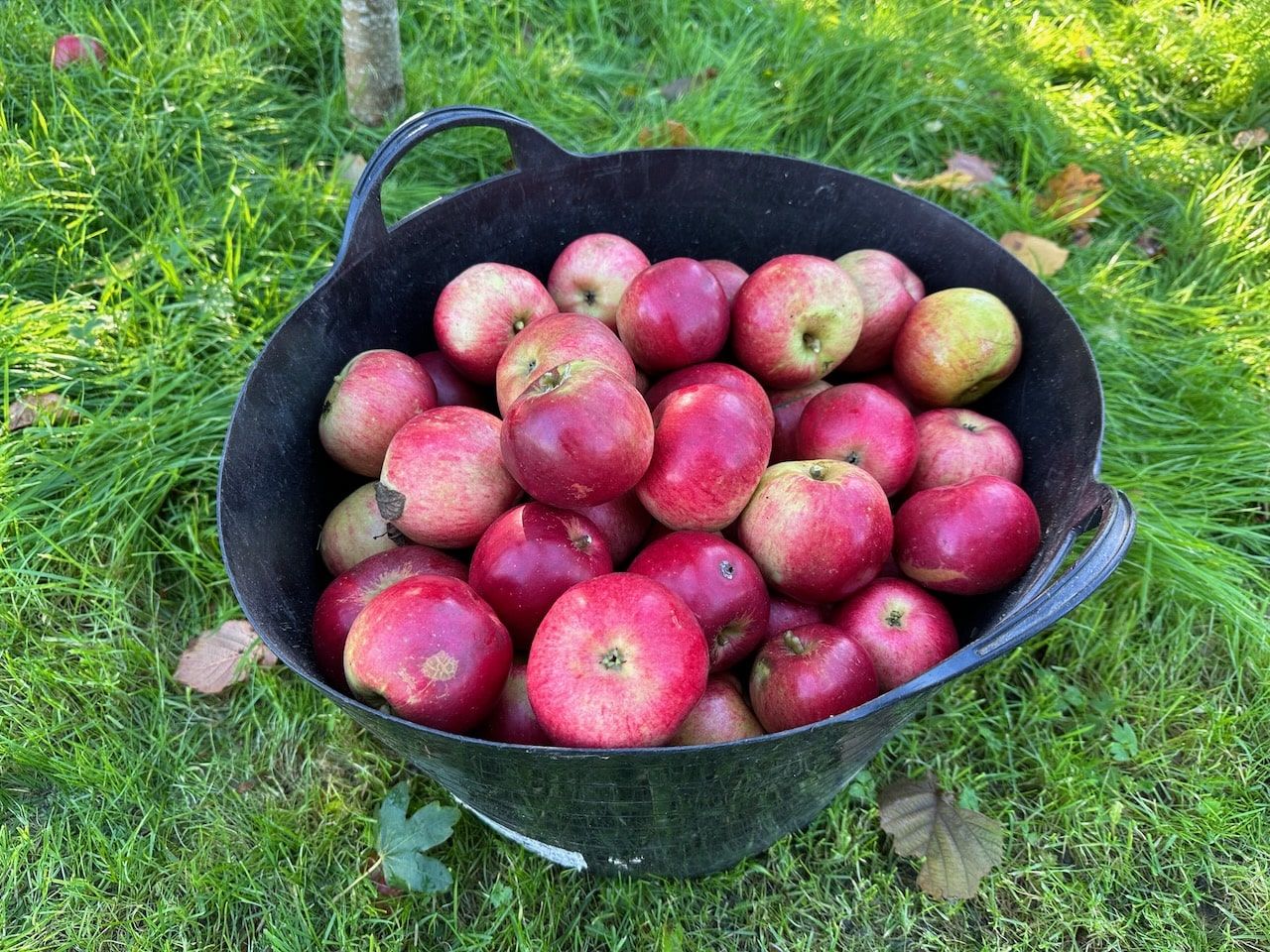
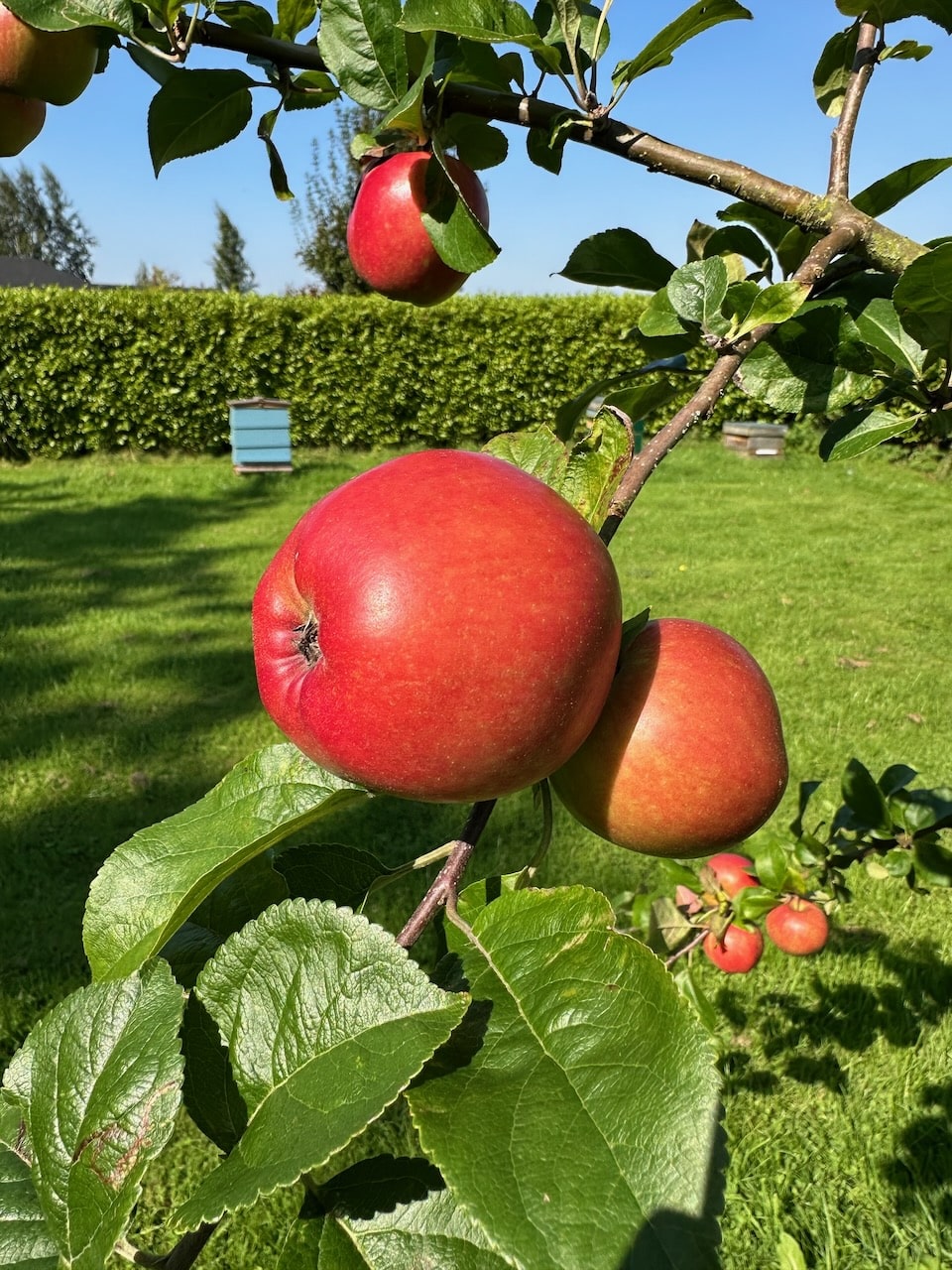
If you’ve ever stood beneath a laden apple tree in September, wondering whether you’re experiencing the best gardening problem ever or staring at weeks of frantic apple processing ahead, then you’re in exactly the right place. After years of helping my own clients transform their apple glut from an overwhelming burden into a delicious opportunity, I’m spilling all my secrets on timing your harvest perfectly, knowing when your apples are truly ready, and turning that mountain of fruit into everything from simple weeknight puddings to impressive dinner party showstoppers.
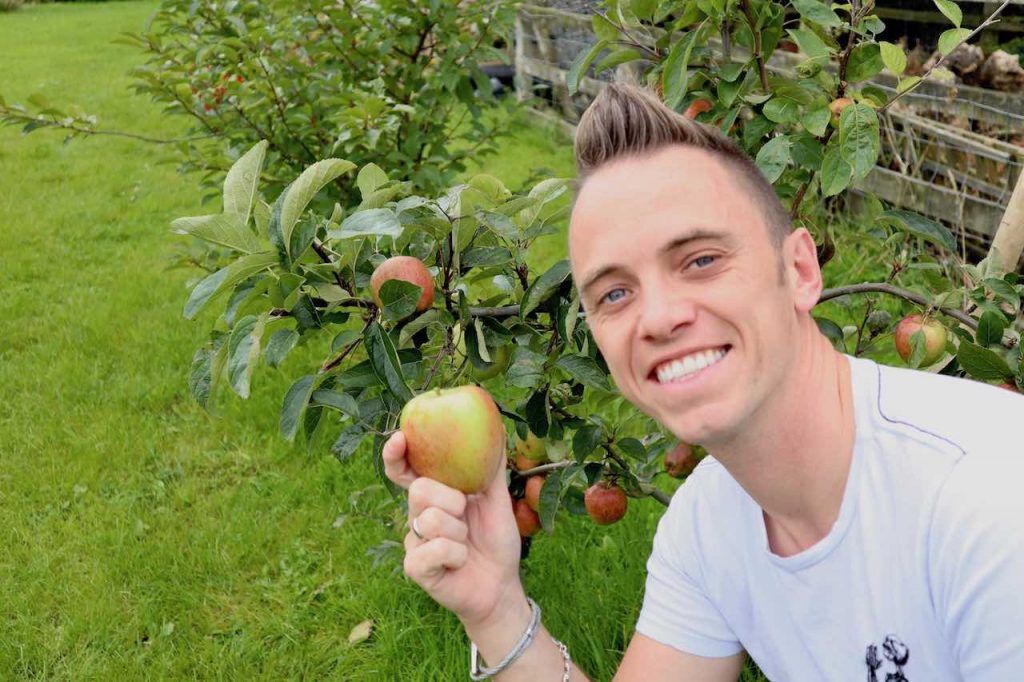
Whether you’re blessed with your own productive apple tree, you’ve gone slightly mad at the pick-your-own orchard, or a generous neighbour has just deposited three carrier bags of ‘Bramleys’ on your doorstep with a slightly apologetic smile, this guide will transform you from apple overwhelmed to apple confident in one afternoon. If you’re looking for what to do with pear harvests then look here! And if you’re still shaping a young tree rather than drowning in fruit from an established one, my beginner’s guide to pruning an apple tree will get you set up for a better crop next year.
We’ll cover the crucial timing that separates crisp, sweet apples from disappointing, watery ones, share my favourite lightning-quick recipes that actually use up serious quantities of fruit, and explore preservation methods that’ll have you enjoying your harvest right through to next spring. With the UK apple season only a month or so away, as I write this, now is exactly the right time to get your storage boxes, jars and freezer space sorted before the trees start dropping in earnest.
Before the ladders come out, it’s worth having the right kit to hand. I use this adjustable fruit picker pole with a padded basket for the top branches I can’t safely reach, which saves an awful lot of wobbling about on a ladder.
This page contains affiliate links for products I use and love. If you take action (i.e. subscribe, make a purchase) after clicking a link, I may earn some gardening commission, which helps me keep the Garden Ninja Blog free for all.
Getting your harvest timing right makes the difference between apples that store beautifully for months and fruit that goes brown, soft and rotten within weeks. After watching countless gardeners pick too early (hard, flavourless apples) or too late (apples that won’t store as they are damaged), I’ve developed some foolproof methods for perfect timing.
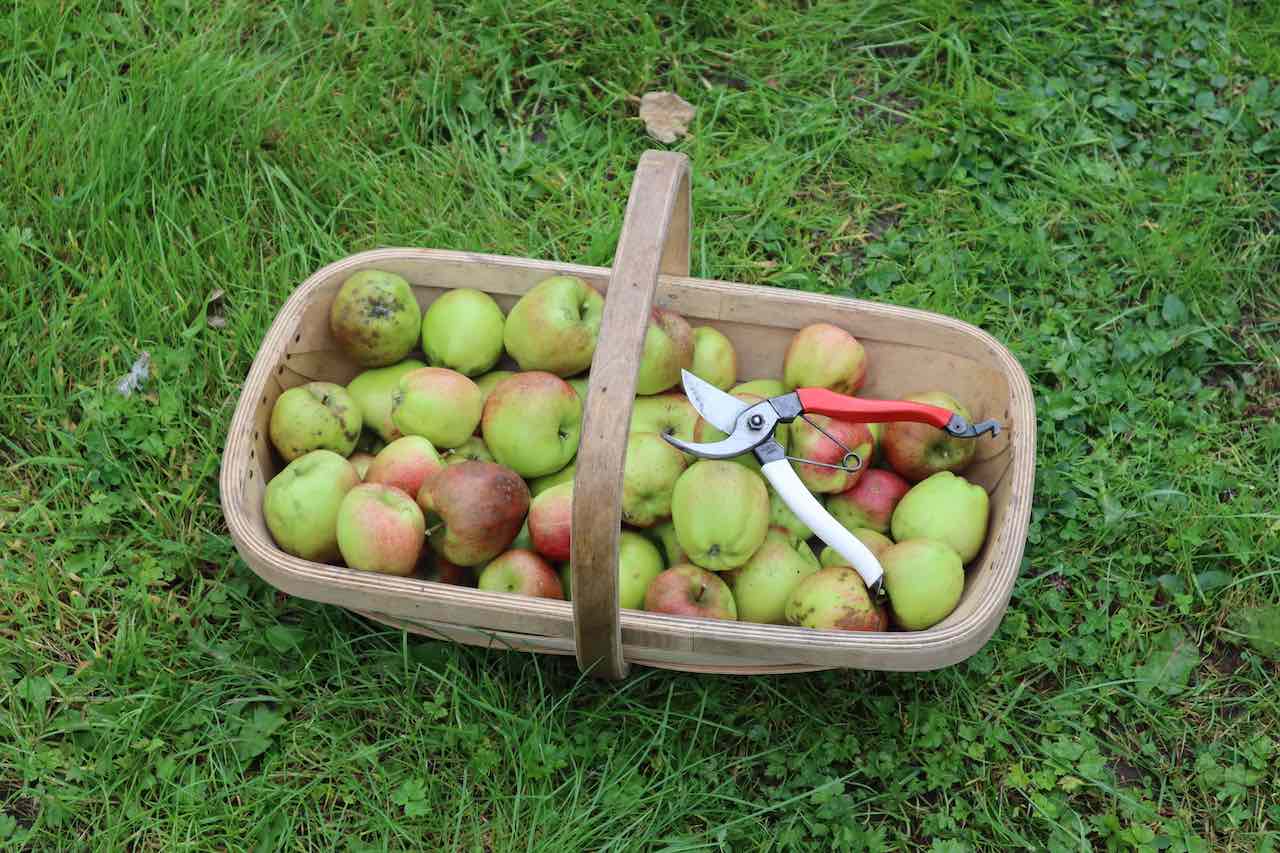
Early Season (Late August to Early September): ‘Discovery’: Usually ready by late August. Look for the distinctive red flush and that characteristic sweet strawberry aroma when you hold it close to your nose. ‘James Grieve’: Perfect for beginners as it has a long picking window. Ready from late August through early September. ‘Beauty of Bath’: One of the earliest, often ready by mid-August in good years. These don’t store well, so eat fresh or cook immediately.
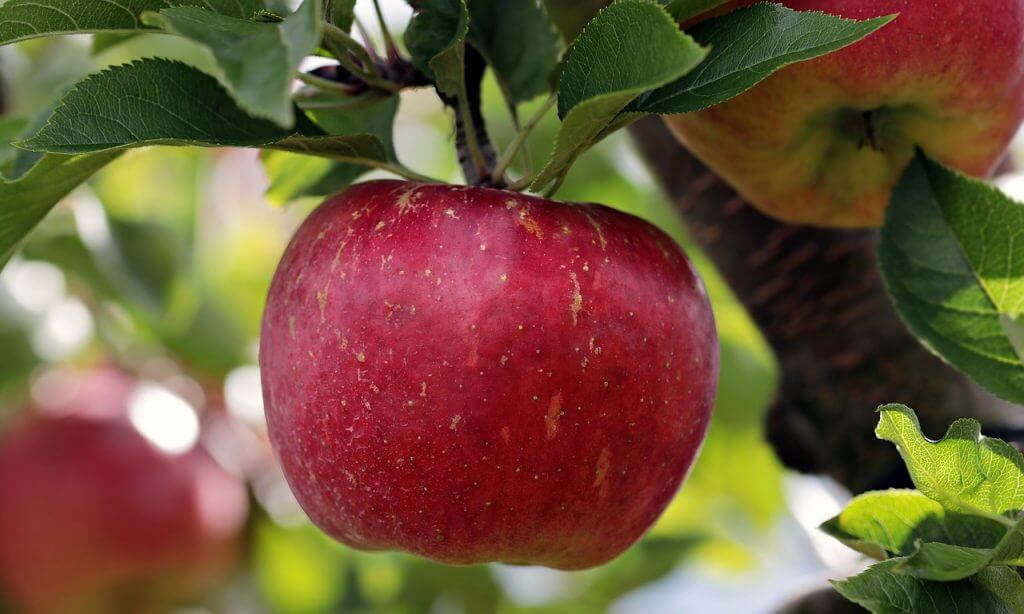
Mid Season (September to Early October): ‘Cox’s Orange Pippin’: The classic English apple, usually ready mid to late September. The background colour changes from green to yellow green. ‘Egremont Russet’: Ready when the russet (rough brown patches) has developed fully across most of the skin. ‘Lord Lambourne’: An excellent garden variety that’s ready in early September and stores reasonably well.
Late Season (October to November): ‘Bramley’s Seedling’: The king of cooking apples, usually ready in October. Harvest when they’ve reached good size but before the first hard frosts. ‘Sunset’: Ready in October, this Cox’s offspring has better disease resistance and stores well through winter. ‘D’Arcy Spice’: One of the latest varieties, often not ready until November but stores magnificently through to spring.
| Apple Variety | Harvest Time | Type | Storage Life |
|---|---|---|---|
| Discovery | Late August | Dessert | 2 to 4 weeks |
| Beauty of Bath | Mid August | Dessert | 1 to 2 weeks |
| James Grieve | Late Aug to Early Sep | Dual Purpose | 6 to 8 weeks |
| Worcester Pearmain | Early September | Dessert | 4 to 6 weeks |
| Cox’s Orange Pippin | Mid to Late September | Dessert | 4 to 6 months |
| Egremont Russet | Mid September | Dessert | 3 to 5 months |
| Lord Lambourne | Early September | Dessert | 8 to 12 weeks |
| Spartan | Mid October | Dessert | 4 to 5 months |
| Gala | Mid to Late September | Dessert | 2 to 3 months |
| Bramley’s Seedling | Mid to Late October | Cooking | 4 to 6 months |
| D’Arcy Spice | Late October to November | Dessert | 6 to 8 months |
| Sunset | Early to Mid October | Dessert | 3 to 4 months |
| Ashmead’s Kernel | Mid to Late October | Dessert | 5 to 7 months |
| Laxton’s Superb | Mid October | Dessert | 2 to 3 months |
| Newton Wonder | Late October | Cooking/Dual | 4 to 5 months |
British weather can shift harvest timing by weeks in either direction. A hot summer accelerates ripening, whilst a cool, wet season delays it significantly. I’ve seen ‘Discovery’ ready in early August after a blazing July, and equally seen it not ready until mid September following a washout summer. In my experience, the best method is to twist and pull to harvest one apple, then cut it open and sample it that way, so you’re not stuck to hard-and-fast dates. But if you have had an unpredictable weather year in your orchard, then the following may be helpful.
Heat Wave Strategy: If we’re experiencing one of those glorious (but rare!) extended hot spells, check your apples daily. High temperatures can push fruit from perfectly ready to overripe in just 2 to 3 days.
Wet Weather Timing: Extended rain near harvest time can cause apples to split or develop brown rot. If heavy rain is forecast and your apples are nearly ready, it’s often better to harvest slightly early rather than risk losing the crop.
This is my go-to test that works for virtually every apple variety. Cup the apple gently in your palm and lift it upward whilst giving it a quarter turn. If it’s ready, it should come away from the branch easily with the stalk attached. If you have to tug or pull, give it another week. The apple practically wants to fall into your hand when it’s perfectly ripe.
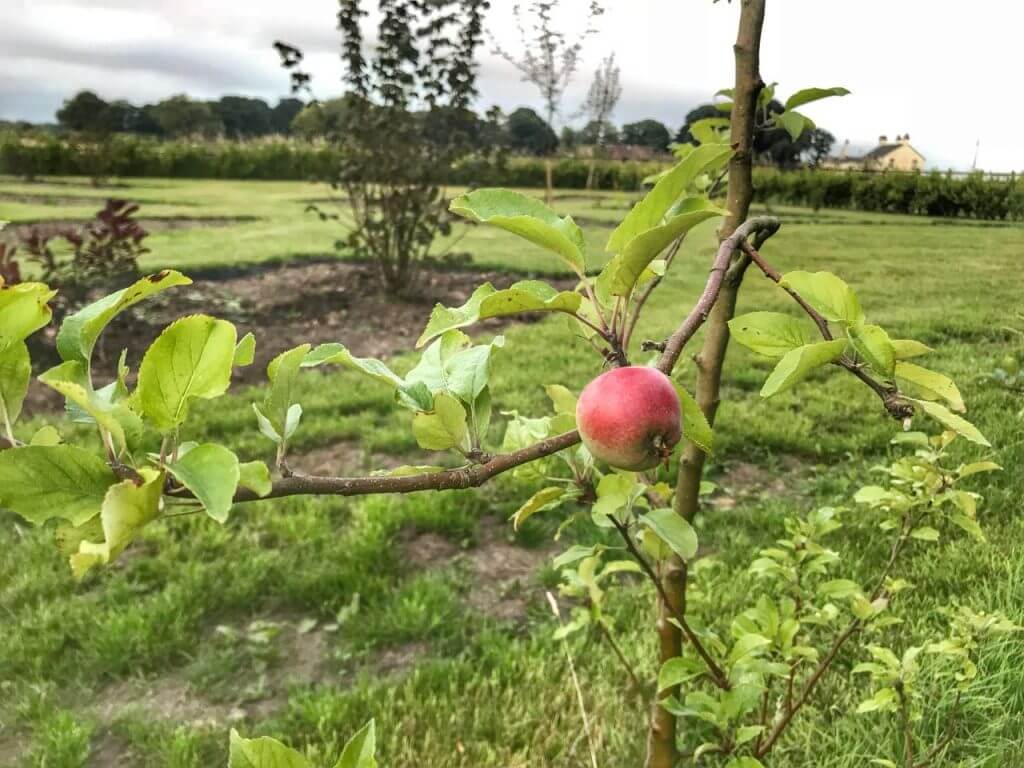
Cut open a sample apple and look at the seeds. Ready apples have dark brown or black seeds, whilst unripe fruit shows white or pale brown seeds. This method is particularly reliable for cooking varieties like ‘Bramley’ where other ripeness indicators can be tricky to judge.
Obviously! A ripe apple should taste like the variety it’s supposed to be. ‘Discovery’ should be sweet with a hint of strawberry, ‘Cox’s Orange Pippin’ should have that distinctive aromatic complexity, and even a ‘Bramley’ should have developed beyond mouth-puckering tartness to balanced acidity.
Ground Check Method: Look beneath the tree for windfall apples. If you’re finding perfect, unblemished apples on the ground (not just damaged ones blown off early), it’s usually a sign that the tree is ready for harvest.
Stem Separation Test: When you perform the lift and twist test, pay attention to how the stem separates from the branch. Ready apples should detach cleanly from the branch, with no tearing or bark damage. If you’re pulling bark or wood away with the stem, wait longer.
Internal Colour Assessment: Cut a sample apple in half from top to bottom. The flesh should be creamy white or pale yellow (depending on variety) with no green tinge near the core. Green areas indicate the apple needs more time to develop full flavour and storage potential.
Cooking Apples (‘Bramley’, ‘Lord Derby’): Size is crucial here. Cooking apples should be harvested when they’ve reached full size but before they become overripe and woolly. A ready ‘Bramley’ should feel dense and heavy for its size.
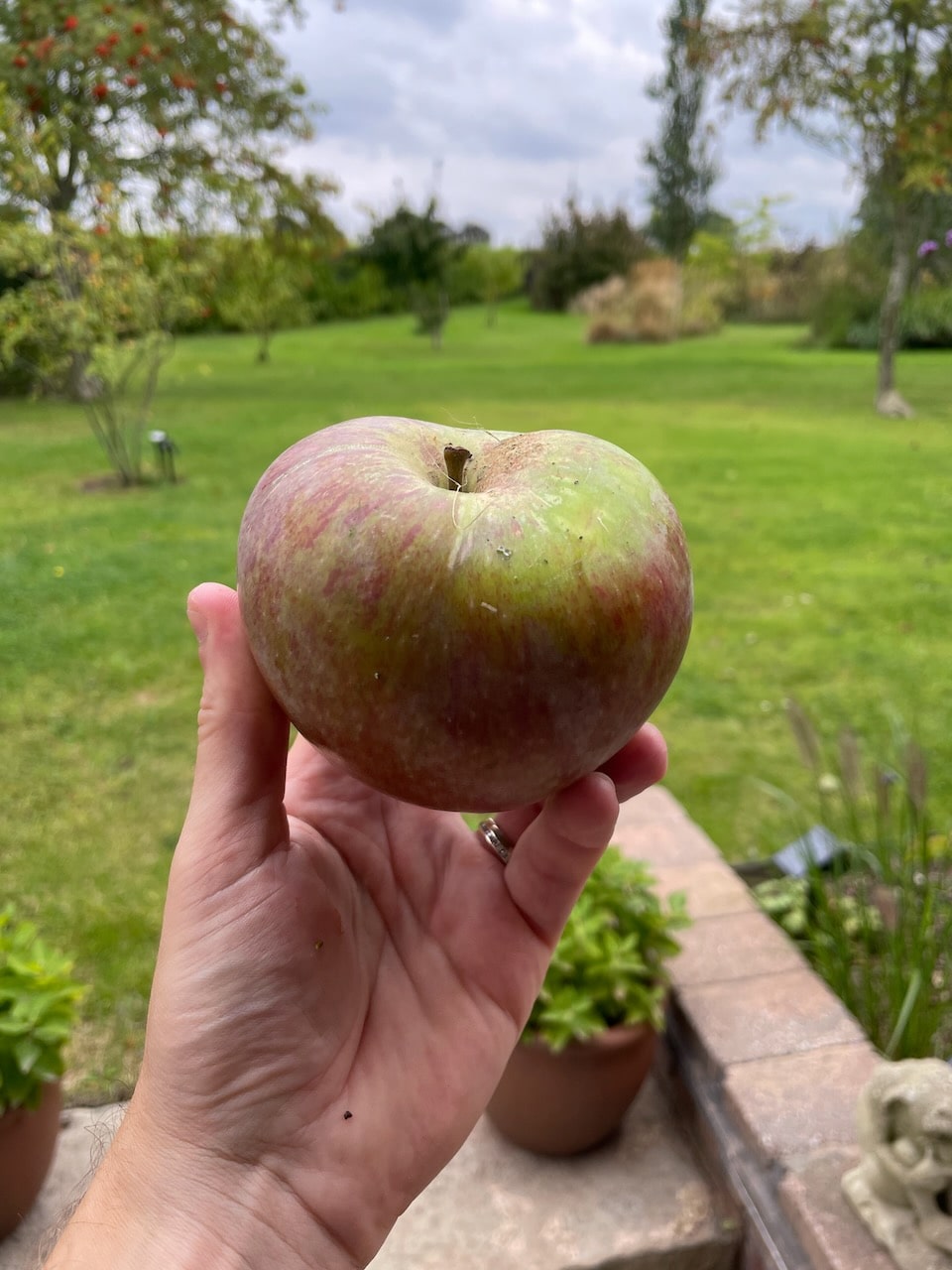
Dessert Apples (‘Cox’, ‘Gala’, ‘Braeburn’): Focus on flavour development over size. These varieties often taste best when they’ve developed their characteristic aroma and the background skin colour has begun to change from pure green.
Russet Varieties (‘Egremont Russet’, ‘Ashmead’s Kernel’): The russet (rough, brown patches) should have developed fully across the skin. Partial russetting indicates the apple needs more time to develop its distinctive flavour.
If you’re planning to store apples rather than use them immediately, harvest timing becomes even more critical:
Perfect Storage Timing: Harvest just before peak ripeness for longest storage. The apples should pass the twist test but still feel quite firm and have vibrant skin colour.
Immediate Use Timing: For apples you plan to use within 2 to 3 weeks, you can wait until they’re at perfect eating ripeness on the tree.
Having designed orchards and advised on apple growing for years, I’ve developed these recipes specifically for dealing with serious quantities of fruit quickly and efficiently. These aren’t dainty tea time recipes, they’re proper glut busters that’ll make a real dent in your harvest. If you enjoy this approach, my damson gin, jam and crumble recipes follow exactly the same speedy, no fuss principle for when the damsons follow the apples a few weeks later.
A decent corer saves your fingers and your patience once you’re working through a full basket. I still reach for this OXO Good Grips apple corer season after season, it’s the one kitchen tool that turns an evening of apple prep from a chore into something almost meditative.
Why this works for gluts: One batch uses 2kg of apples and is ready in about half an hour. Unlike shop bought versions, this sauce is thick, full of flavour and freezes beautifully.
At a glance: Uses 2kg of apples. Takes about 30 minutes. Keeps for a week in the fridge or up to a year in the freezer.
Ingredients:
| Ingredient | Amount |
|---|---|
| Apples, any variety (a mix is fine) | 2kg |
| Water | 4 tablespoons |
| Lemon juice | 1 lemon |
| Caster or granulated sugar, plus more to taste | 100g to start |
Method:
| Step | What to do |
|---|---|
| 1. Prep the Apples | Quarter and core the apples, then chop them roughly. Leave the skins on, as they add colour and flavour and save you masses of time. |
| 2. Cook | Put the apples, water and lemon juice in your largest pan with a lid. Bring to the boil, turn the heat down and simmer with the lid on for 15 to 20 minutes, stirring now and then, until the apples collapse when you press them with a spoon. |
| 3. Sweeten to Taste | Stir in the 100g of sugar until it dissolves, then taste. Cooking apples like ‘Bramley’ usually need more, so add it a tablespoon at a time. Dessert apples often need very little, or none at all. |
| 4. Finish | Mash with a potato masher for a rustic sauce, or blend it and push it through a sieve if you want it silky smooth and free of skins. |
| 5. Store | Leave to cool, then keep in the fridge for up to a week or freeze for up to a year. Old yoghurt pots make perfect single portions. |
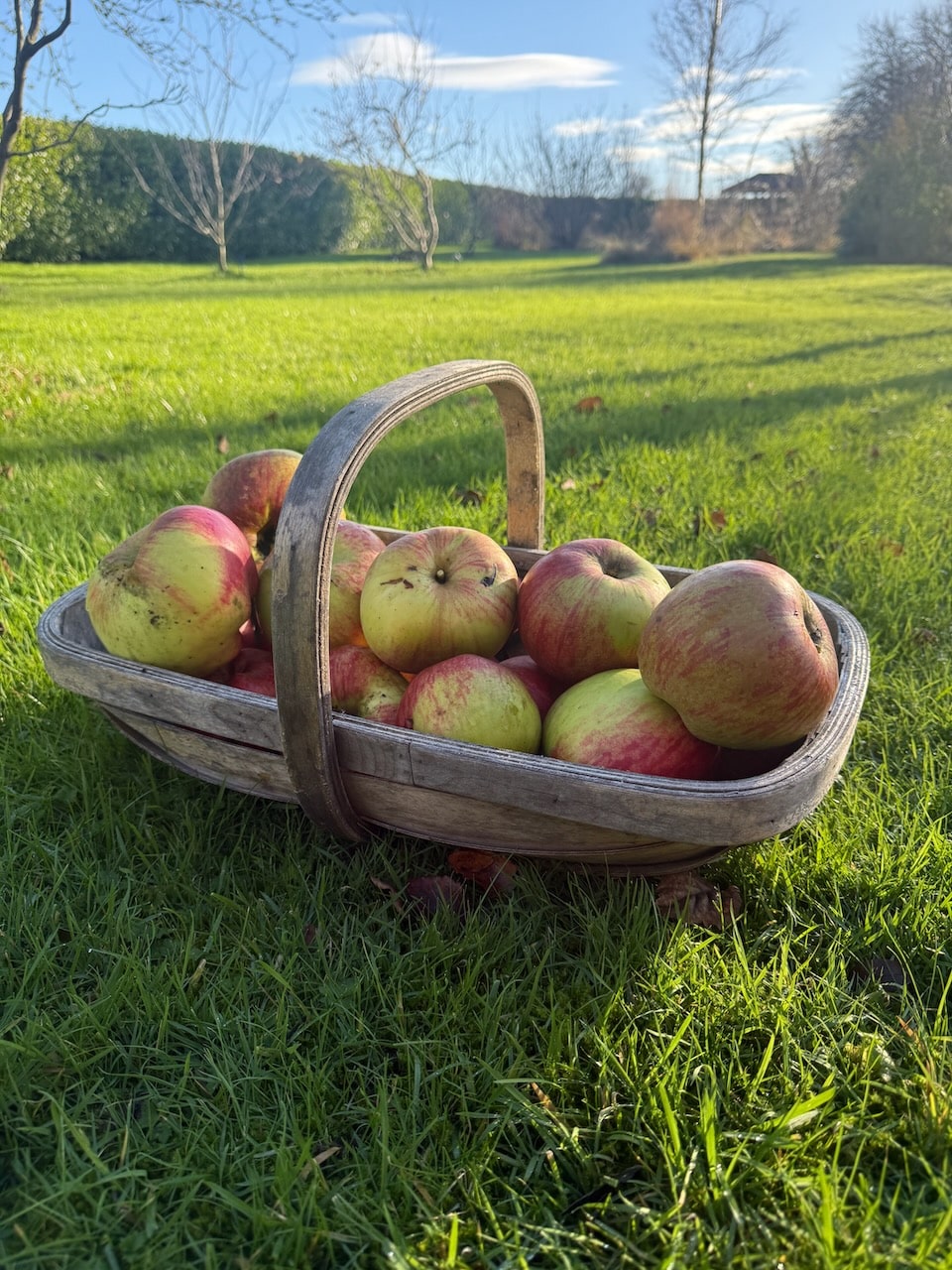
Mix different apple varieties in one batch. The cooking apples break down to create body, whilst dessert varieties add sweetness and complexity.
Why this works: This recipe deliberately uses large quantities (3kg apples), and the beauty is that you can make it as mild or as fiery as you like. I love to change the spice mix each year, depending on the sweetness of the apples I’m using or how I want the chutney to taste. Some autumns I want my chutney to be fiery and spicy, others sweet and fragrant.
The great thing is that once it is heating on the stove, you can taste test it as it goes along to tweak the spice, sugar and vinegar. If you find yourself with too many apples, making chutney is a quick way to use them up, and it also makes great gifts for dinner parties or turning up unannounced at friends’ houses!

The sugar and vinegar act as the preservative and thickener, so don’t cut them back or your chutney won’t last nearly as long in the larder. You can scale the recipe up or down though. If you only have 1kg of apples, use a third of everything, which means 250g of sugar and 330ml of cider vinegar.
At a glance: Uses 3kg of apples. Takes about 2 hours, most of it gentle simmering. Keeps for up to a year unopened.
Ingredients:
| Ingredient | Amount |
|---|---|
| Apples, cored and roughly chopped (skins on) | 3kg |
| Onions, peeled and roughly chopped | 500g |
| Cider vinegar | 1 litre |
| Brown sugar (any type, but dark soft gives the stickiest chutney) | 750g |
| Fresh ginger, finely grated or chopped | 50g |
| Garlic cloves, finely chopped | 4 |
| Mustard seeds | 1 tablespoon |
| Ground cinnamon | 2 teaspoons |
| Ground cloves | 1 teaspoon |
| Star anise | 1 |
| Chillies, green tomatoes or dried fruit (add a little extra sugar and vinegar for every 100g of these) | Optional |
You’ll also need: a large, heavy bottomed pan or preserving pan and a good stack of clean jars with lids.
Apple Chutney Method:
| Step | What to do |
|---|---|
| 1. Sterilise the Jars | Wash the jars and lids in hot soapy water, rinse, then dry the jars in the oven at 140°C (120°C fan, gas 1) for 15 minutes. Leave them in the warm oven until you need them. |
| 2. Everything in Together | Put all the ingredients into the pan. Don’t worry about precise chopping, rustic is perfect for chutney. |
| 3. Dissolve the Sugar | Warm it over a low heat, stirring every few minutes, until the sugar has dissolved. Taking it slowly here stops it sticking and burning on the bottom. |
| 4. Slow Bubble | Bring to the boil, then turn down to a steady simmer and cook uncovered for 1½ to 2 hours. Stir more often towards the end as it thickens, and taste as you go to tweak the spice. Your whole home will smell of apples and spice. |
| 5. Check It’s Ready | Drag a wooden spoon across the bottom of the pan. If it leaves a clear channel that doesn’t fill straight back up with liquid, it’s done. |
| 6. Jar While Hot | Ladle into the warm jars, seal straight away and label. Leave it for at least a month before opening so the sharp vinegar mellows. Unopened, it keeps for up to a year somewhere cool and dark. Once opened, keep it in the fridge and use within a month. |
Decent jars matter more than people think, a wobbly seal is how chutney spoils halfway through winter. I always sterilise and fill this set of six 0.5 litre Kilner screw top jars the moment the chutney comes off the heat, and they look smart enough to hand over as a gift without any extra dressing up.
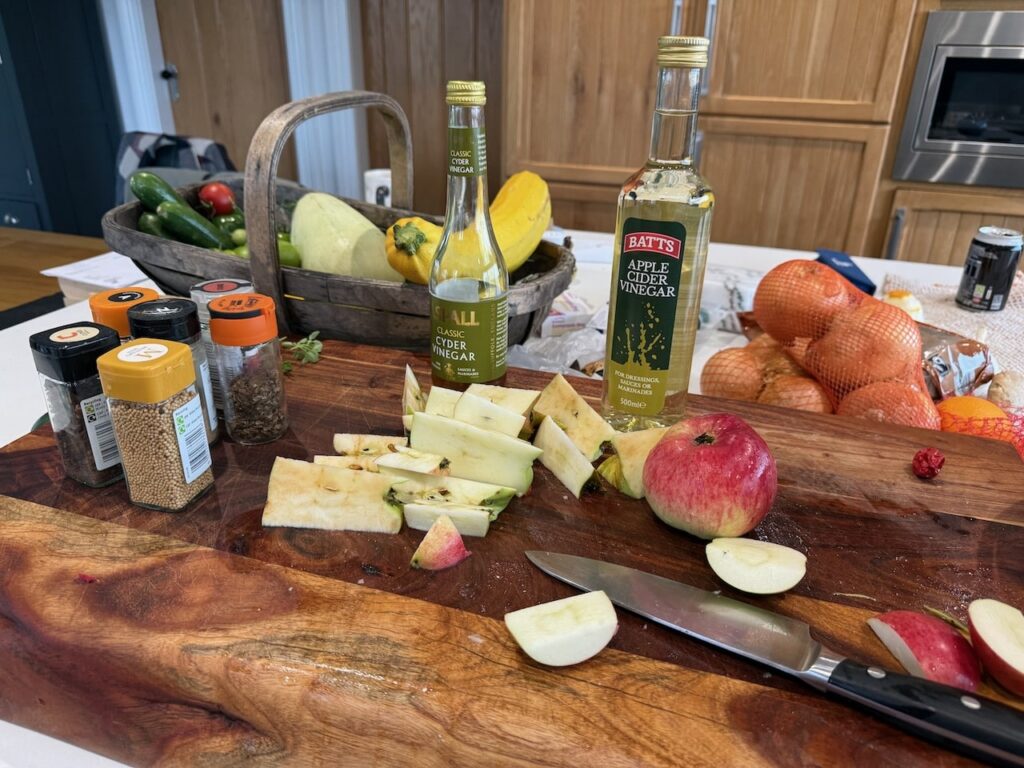
This chutney is brilliant with cheese, fantastic with cold meats, and transforms a simple pork chop into something special. Make a double batch, it’s just as easy and makes perfect Christmas gifts.
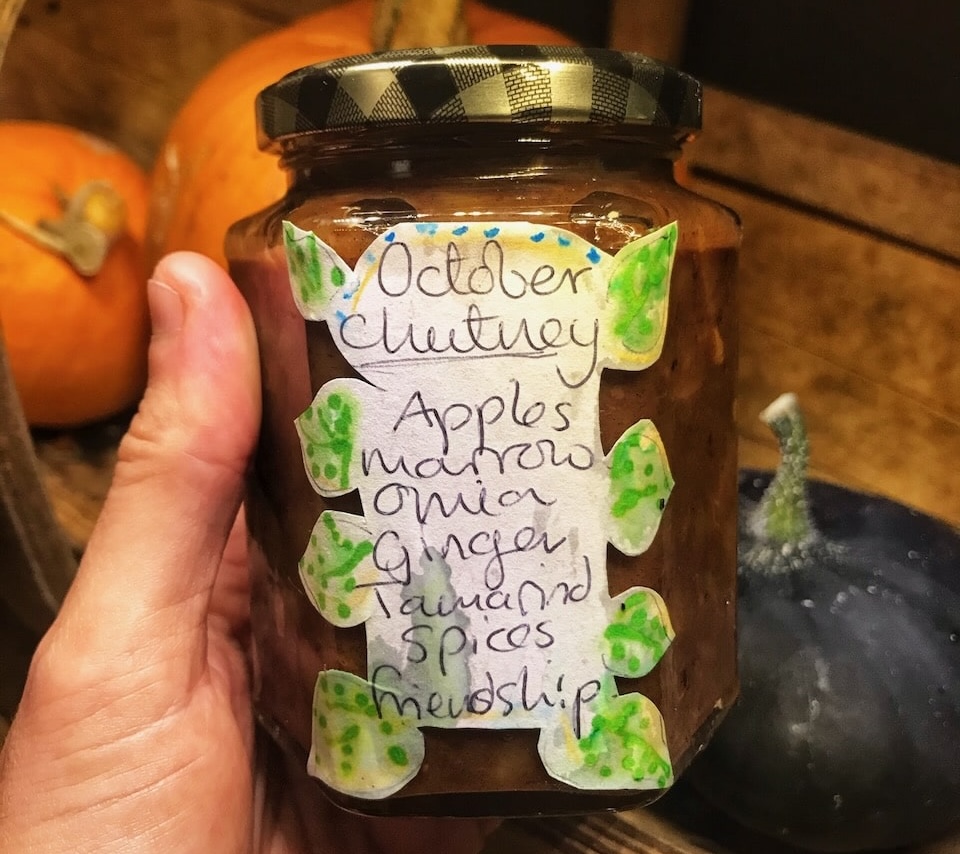
Why this works for gluts: Uses 4kg of apples per batch and creates the most intensely flavoured preserve imaginable. There is no butter in it at all, the name comes from its smooth, spreadable texture.
At a glance: Uses 4kg of apples. Takes 3 to 5 hours, mostly hands off. Keeps for a month in the fridge or six months in the freezer.
Ingredients:
| Ingredient | Amount |
|---|---|
| Apples, cored and quartered (skins on) | 4kg |
| Apple juice or cider | 500ml |
| Brown sugar | 400g |
| Ground cinnamon | 2 teaspoons |
| Ground nutmeg | 1 teaspoon |
| Lemon juice (optional, but it brightens the flavour) | 1 lemon |
Method:
| Step | What to do |
|---|---|
| 1. Soften the Apples | Put the apples and juice in a large pan, cover and simmer for about 30 minutes, stirring now and then, until they are completely soft. |
| 2. Sieve | Push the cooked apples through a sieve or food mill to remove the skins. This is what gives apple butter its silky texture. |
| 3. The Long Cook | Return the purée to the pan and stir in the sugar, spices and lemon juice. Cook uncovered on the lowest heat for 2 to 4 hours, stirring every 15 minutes or so and more often near the end, as it can spit. A slow cooker with the lid propped open works well too. |
| 4. Check It’s Ready | It’s done when it has turned a deep, rich brown and a spoon drawn across the bottom of the pan leaves a clear line. |
| 5. Pot and Store | Spoon into sterilised jars, seal and leave to cool. With far less sugar than jam it isn’t safe to keep in the cupboard, so store it in the fridge for up to a month or freeze it in small tubs for up to six months. |
Spread on toast, swirl through porridge, use as a glaze for pork, or thin with cream for an instant dessert sauce.
At a glance: Serves 12 to 15 and uses 2.5kg of apples. Takes about an hour. Freezes for up to three months.
For the filling:
| Ingredient | Amount |
|---|---|
| Apples, peeled, cored and sliced | 2.5kg |
| Caster sugar (use half if your apples are sweet dessert varieties) | 200g |
| Ground cinnamon | 2 teaspoons |
For the crumble topping:
| Ingredient | Amount |
|---|---|
| Plain flour | 500g |
| Cold butter, cubed | 250g |
| Light brown sugar | 200g |
| Rolled oats | 100g |
Method:
| Step | What to do |
|---|---|
| 1. Heat the Oven | Preheat to 180°C (160°C fan, gas 4). You need a large roasting tin, around 30 x 40cm, or two 2 litre ovenproof dishes. |
| 2. Prep the Filling | Toss the sliced apples with the caster sugar and cinnamon, then spread them evenly in the tin. |
| 3. Make the Topping | Rub the butter into the flour with your fingertips until it looks like breadcrumbs, then stir in the brown sugar and oats. A food processor does this in seconds on the pulse setting. |
| 4. Top the Fruit | Scatter the crumble evenly over the apples without pressing it down. A loose topping crisps up far better. |
| 5. Bake | Bake for 40 to 45 minutes until golden on top and bubbling at the edges. Leave it to settle for 10 minutes before serving with custard or cream. |
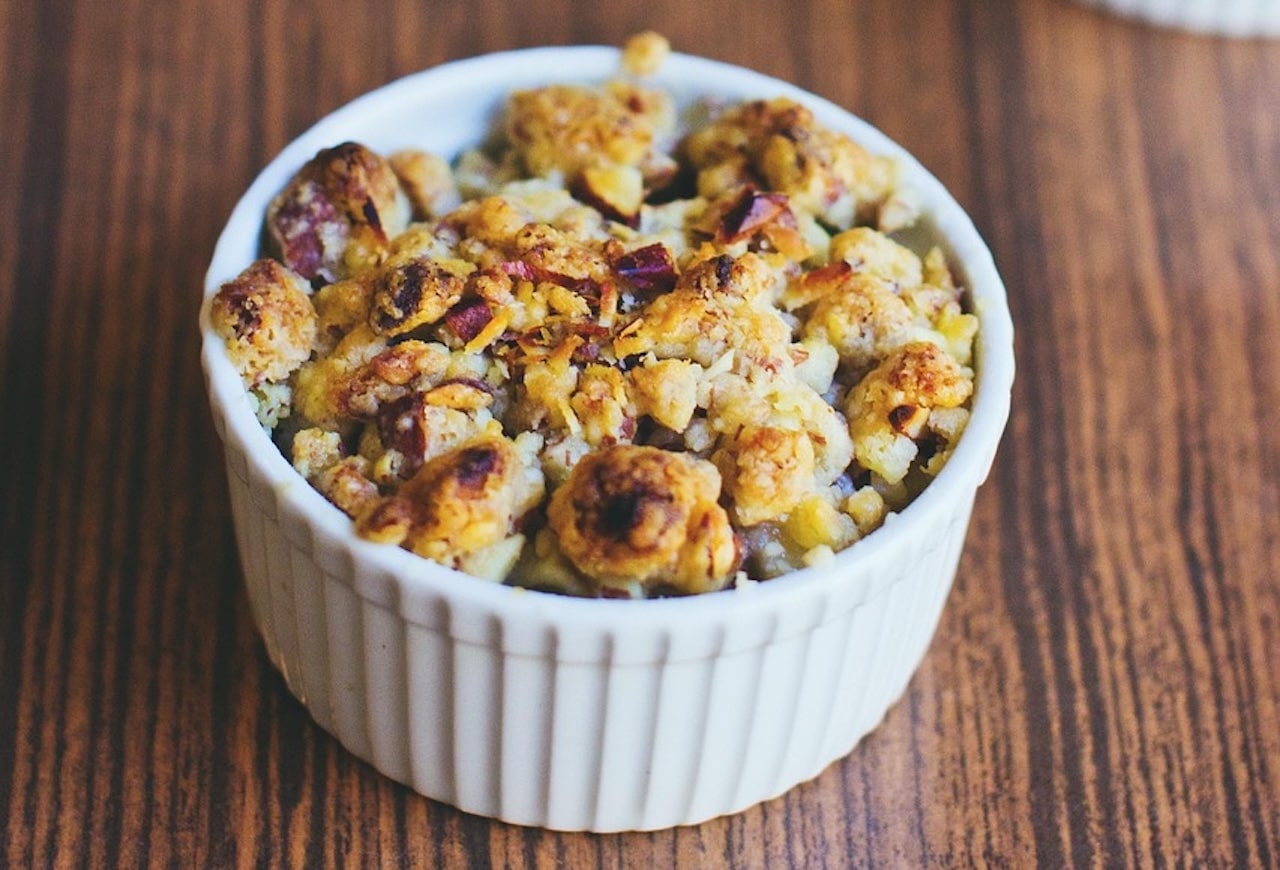
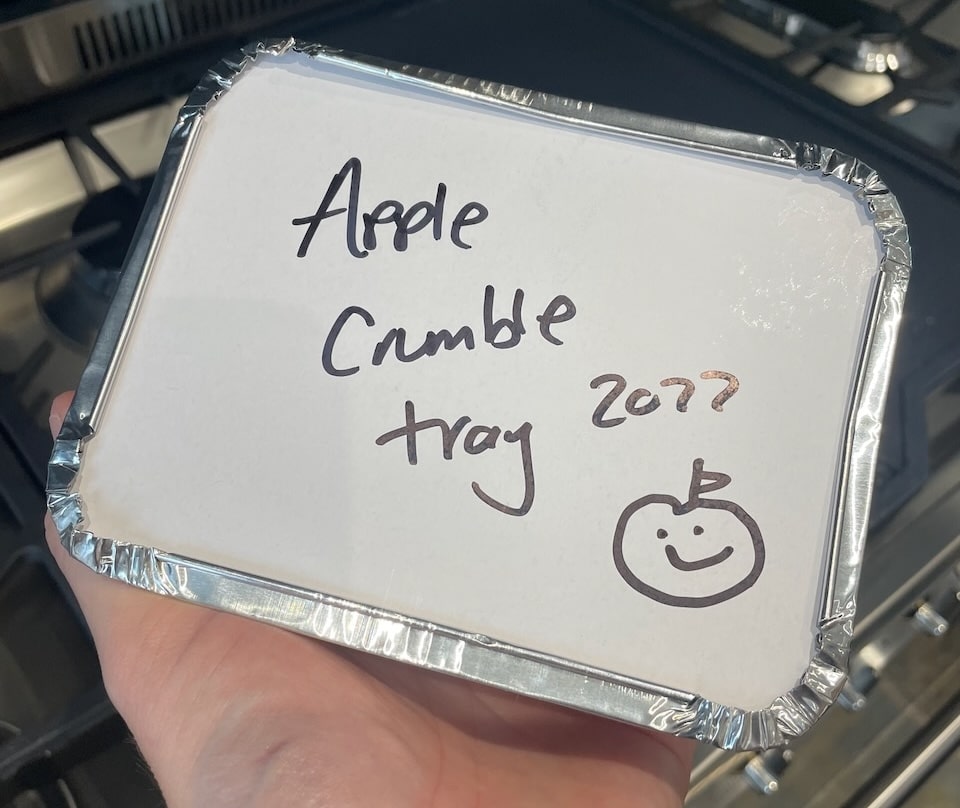
Although this is a huge amount of crumble, it freezes really well, so I make a massive batch and portion it into takeaway containers, either before or after baking. Consider adding a handful of blackberries, raisins, fresh plums, damsons or greengages if you’ve got them, as the tartness contrasts beautifully with the sweet apples.
Makes 24 muffins and uses around 500g of apples, so if you’re working through a glut, make two batches rather than piling more fruit into one. Warning though, these are dangerously moreish, especially when topped with a few slices of dehydrated apple and a drizzle of simple icing.
At a glance: Makes 24. Takes about 45 minutes. Freezes for up to three months.
Ingredients:
| Ingredient | Amount |
|---|---|
| Self raising flour | 500g |
| Baking powder | 2 teaspoons |
| Ground cinnamon | 3 teaspoons |
| Salt | A pinch |
| Light soft brown sugar | 250g |
| Unsalted butter, melted and left to cool for five minutes | 200g |
| Large eggs | 4 |
| Milk | 250ml |
| Apples (about four medium), cored and cut into 1cm dice, skins on | 500g |
| Demerara sugar for sprinkling (optional) | 2 tablespoons |
| Icing sugar for the drizzle (optional) | 100g |
| Lemon juice or water for the drizzle (optional) | 1 to 2 tablespoons |
Method:
| Step | What to do |
|---|---|
| 1. Heat the Oven | Preheat to 200°C (180°C fan, gas 6) and line two 12 hole muffin tins with deep paper cases. |
| 2. Mix the Dry Ingredients | Combine the flour, baking powder, cinnamon, salt and sugar in your largest bowl, rubbing out any lumps of brown sugar with your fingers. Take out a tablespoon of the mix and toss it through the diced apple. This light coating stops the fruit sinking to the bottom of the cases. |
| 3. Mix the Wet Ingredients | Whisk the eggs and milk together in a jug, then whisk in the melted butter. Make sure the butter has cooled a little first, otherwise it starts cooking the eggs. |
| 4. Combine Gently | Pour the wet mix into the dry and fold with a large spoon until just combined, then fold in the apple. A few floury streaks are fine. Overmixing is what makes muffins tough and full of tunnels. |
| 5. Fill and Bake | Divide the batter between the cases so each is about three quarters full, then scatter over the demerara. Bake for 20 to 25 minutes, until they’re risen and golden and a skewer comes out clean apart from any apple. Swap the trays round halfway through if your oven has hot spots. |
| 6. Cool and Finish | Leave in the tins for five minutes, then move to a wire rack. Once they’re completely cool, add the icing drizzle and top with dehydrated apple slices. |
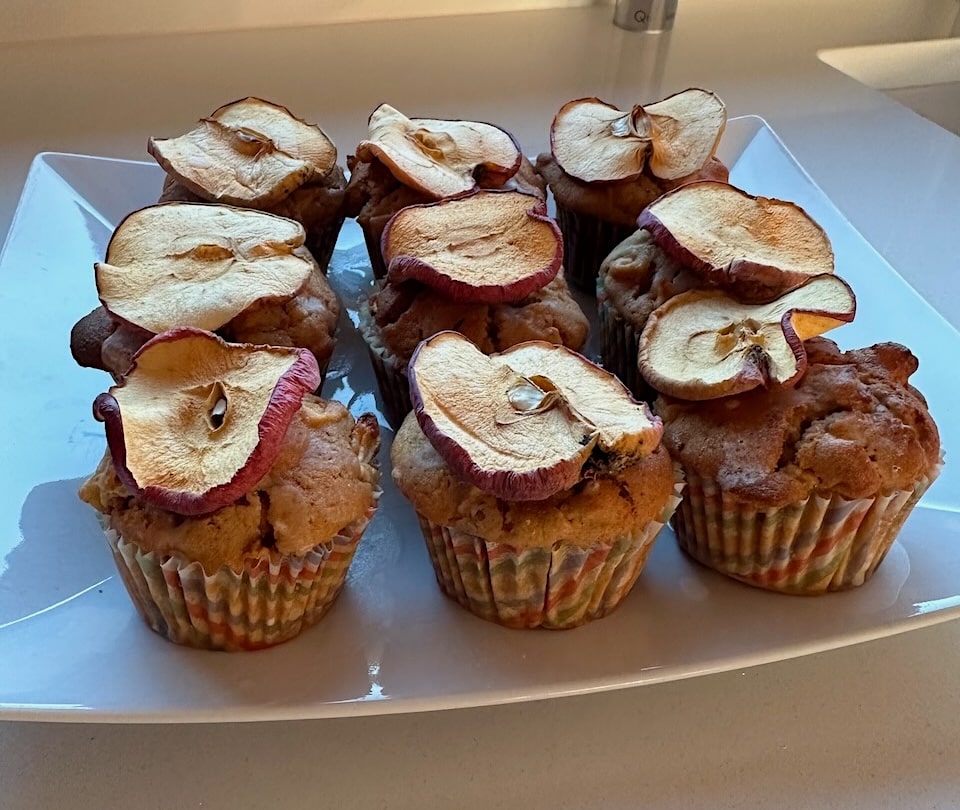
A mix of varieties works best here. ‘Bramley’ collapses into tangy, jammy pockets, while a dessert apple like ‘Cox’ or ‘Braeburn’ holds its shape and adds sweetness. For a smaller batch, halve everything to make 12. These are perfect for batch cooking breakfasts for the week or filling school lunch boxes. They also freeze well for up to three months, so you can defrost a couple overnight whenever you fancy one.
Uses unlimited quantities and creates shelf stable snacks
At a glance: Uses as many apples as you can slice. Takes 6 to 8 hours in the oven. Keeps for months in an airtight jar.
Ingredients:
| Ingredient | Amount |
|---|---|
| Firm apples, any variety | As many as you like |
| Lemon juice stirred into cold water (optional, keeps the rings pale) | 1 lemon to 1 litre of water |
Method:
| Step | What to do |
|---|---|
| 1. Core and Slice | Core the apples, then slice them into rings about 5mm thick. No need to peel. Even slices dry at the same rate, so a mandoline is handy if you have one. |
| 2. Stop the Browning (optional) | Drop the rings into the lemon water for a few minutes as you go, then pat them dry with a clean tea towel. |
| 3. Dry Them | Pick whichever method suits you. |
| 4. Oven Method | Lay the rings in a single layer on wire racks or lined baking trays. Set the oven to its lowest setting (50 to 60°C), wedge the door open slightly with a wooden spoon to let moisture escape, and dry for 6 to 8 hours, turning them halfway. |
| 5. Dehydrator | Set it to 55 to 60°C and dry for 6 to 10 hours, or follow the manufacturer’s instructions. |
| 6. Air Drying | Thread the rings onto string and hang them somewhere warm, dry and airy. This takes several days and only works well in warm, dry weather. |
| 7. Check They’re Done | They should feel leathery and bendy with no moisture when you tear one in half. Leave them a little longer if you prefer crisp apple chips. |
| 8. Cool and Store | Cool completely before packing into airtight jars. Check them after a couple of days, and if you see any condensation inside the jar, give them another hour or two of drying. |
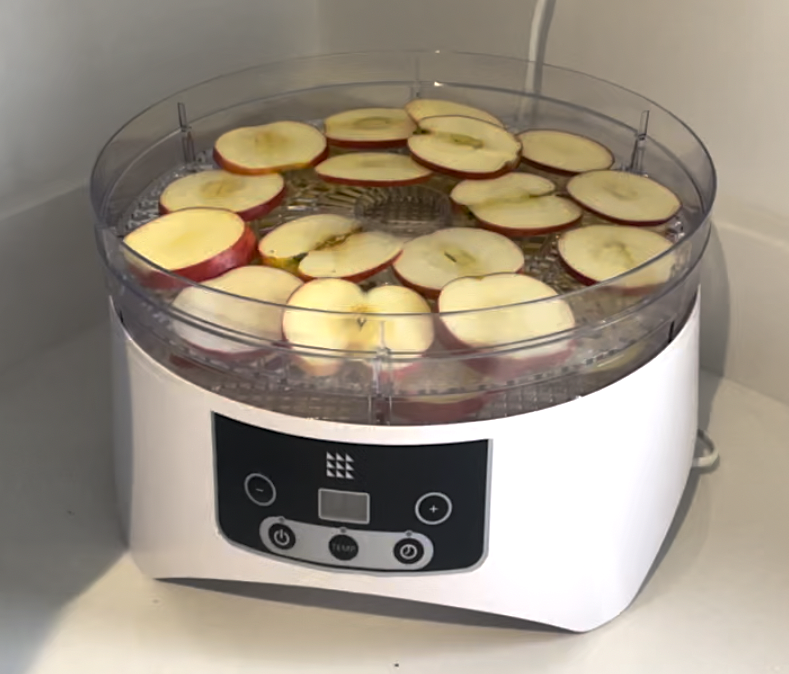
Properly dried apple rings keep for months in airtight containers and make brilliant hiking snacks or lunchbox additions.
The oven and air drying methods above work fine for small batches, but if you’re processing apples every autumn it’s worth investing in a proper machine. I use this Andrew James digital food dehydrator with six trays, which lets me set the temperature and timer and walk away, rather than babysitting the oven all afternoon.
Uses 1kg of apples per litre of gin, perfect for Christmas gifts
Apple gin is probably the easiest thing to make with a glut of apples and creates the perfect winter tipple. It brings all the goodness of natural apples with a boozy kick that’ll have your guests asking for the recipe. In fact, it’s delicious neat over ice or used to perk up a glass of Prosecco when entertaining friends. If you’ve got a mountain of apples to use, simply set up two or three jars at once.
At a glance: Makes about 1 litre. Takes 15 minutes to set up, then 6 to 8 weeks to infuse. Keeps for years once strained.
Ingredients:
| Ingredient | Amount |
|---|---|
| Apples (any variety, mixed is brilliant) | 1kg |
| Caster sugar, plus a little extra to taste at the end | 250g |
| Gin (a supermarket own brand is fine) | 1 litre |
| Sterilised 3 litre jar with a tight fitting lid | 1 |
Method:
| Step | What to do |
|---|---|
| 1. Freeze Your Apples | Chop the apples into rough chunks (no need to peel or core) and freeze them overnight. Freezing breaks open the cells, so the apples give up their flavour to the gin much faster. |
| 2. Combine Everything | Tip the apples, sugar and gin into the jar, seal it and give it a really good shake to start dissolving the sugar. |
| 3. The Waiting Game | Store the jar in a cool, dark cupboard for 6 to 8 weeks. Shake it every day for the first week until the sugar has dissolved, then once a week after that. Start tasting from about four weeks. |
| 4. Strain and Bottle | Strain through muslin or a fine sieve to remove all the apple pieces. Taste, and stir in a little more sugar if you like it sweeter, then funnel into sterilised bottles and you’re done. |
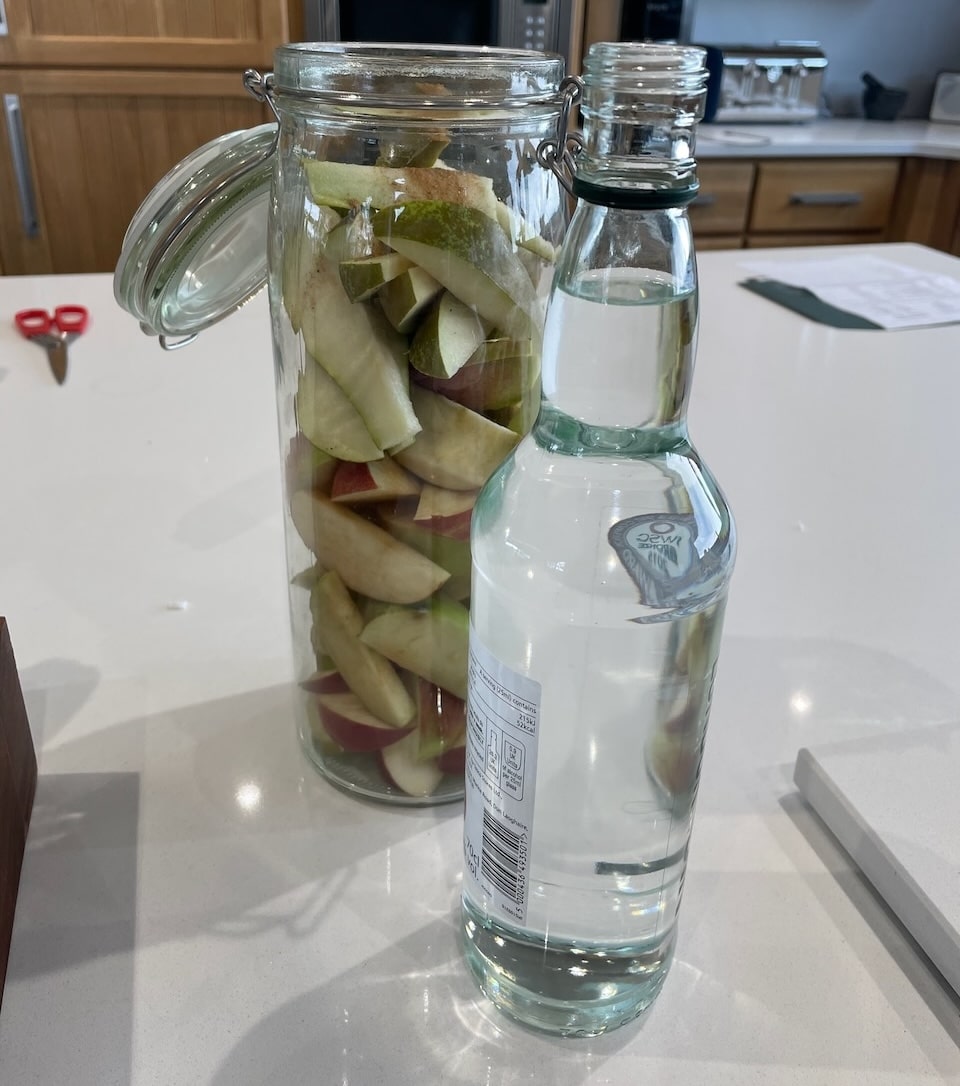
The apple pulp left over makes an incredible addition to apple crumble or can be stirred into porridge for a boozy breakfast treat (just remember to warn people!). This gin will keep for years and actually improves with age, making it perfect for Christmas gifts or special occasions.
This quick apple harvest tip helps you process unlimited quantities of apples for year round use, all with the help of the freezer. All you need is the time to slice and prepare the apples, ready to be frozen. You can also add sugar or spices before freezing, which makes it super speedy to turn them into desserts or sauces later.
At a glance: Uses as many apples as your freezer will hold. Keeps for up to 12 months frozen.
Method:
| Step | What to do |
|---|---|
| 1. Stop the Browning | Have a bowl of lemon water ready (the juice of 1 lemon in 1 litre of cold water) and drop the prepared pieces in as you work. |
| 2. Prep for Purpose | For pies and crumbles: peel, core and slice, then toss with a little sugar and cinnamon For sauce: core and chop roughly, no additions needed For cakes and muffins: core and cut into 1cm dice |
| 3. Open Freeze | Pat the pieces dry, spread them in a single layer on lined trays and freeze for 2 to 3 hours until solid. This stops them freezing into one big lump. |
| 4. Bag and Label | Tip into freezer bags, squeeze out the air and label each bag with the date and what it’s prepped for. Use within 12 months. |
Frozen apples actually break down faster when cooking, making them perfect for quick weeknight puddings. I usually have a full freezer of pre-sliced apples that I can quickly turn into crumbles, sauces or add to cakes without needing to wait.
Uses apple scraps and cores from other recipes
At a glance: Uses peels and cores you would otherwise throw away. Takes 6 to 9 weeks, almost all of it waiting.
Ingredients:
| Ingredient | Amount |
|---|---|
| Apple peels and cores | Enough to fill a large jar three quarters full |
| Sugar | 1 tablespoon for every 250ml of water |
| Water (boiled and cooled if your tap water is heavily chlorinated) | Enough to cover |
Simple Method:
| Step | What to do |
|---|---|
| 1. Collect Scraps | Save peels and cores from your other apple recipes in a bag in the freezer until you have enough to fill a large, clean jar about three quarters full. |
| 2. Cover | Dissolve the sugar in the water and pour it over the scraps until they are completely covered. Weigh them down with a small glass or a sandwich bag filled with water, because anything poking above the surface can go mouldy. |
| 3. First Ferment | Cover the jar with muslin or a clean cloth held on with an elastic band, not an airtight lid, as it needs to breathe. Leave it somewhere warm and out of direct sun for 2 to 3 weeks, stirring every day or two, until it smells boozy. |
| 4. Strain and Age | Strain out the solids, pour the liquid back into a clean jar and cover with the cloth again. Leave for another 4 to 6 weeks until it smells and tastes like vinegar. A jelly-like disc may form on top. That is the “mother”, and it is perfectly normal. |
| 5. Bottle | Pour into clean bottles and seal. If you ever see fuzzy green, black or pink mould at any stage, throw the batch away and start again. |
Homemade vinegar varies in strength, so use it for dressings, marinades and drinks rather than pickling or preserving. For chutneys and pickles, always use a shop bought vinegar with a stated acidity of at least 5%.
Whether you’re straining vinegar, gin or a batch of jelly, a proper muslin bag makes the whole job far less messy than an old tea towel. This KitchenCraft muslin jelly bag is reusable, washes clean and does a much finer job of catching the pulp and pips than kitchen paper ever will.
When recipes aren’t enough
Sometimes you simply end up with more apples than any household can reasonably process. Here’s how to share the wealth:
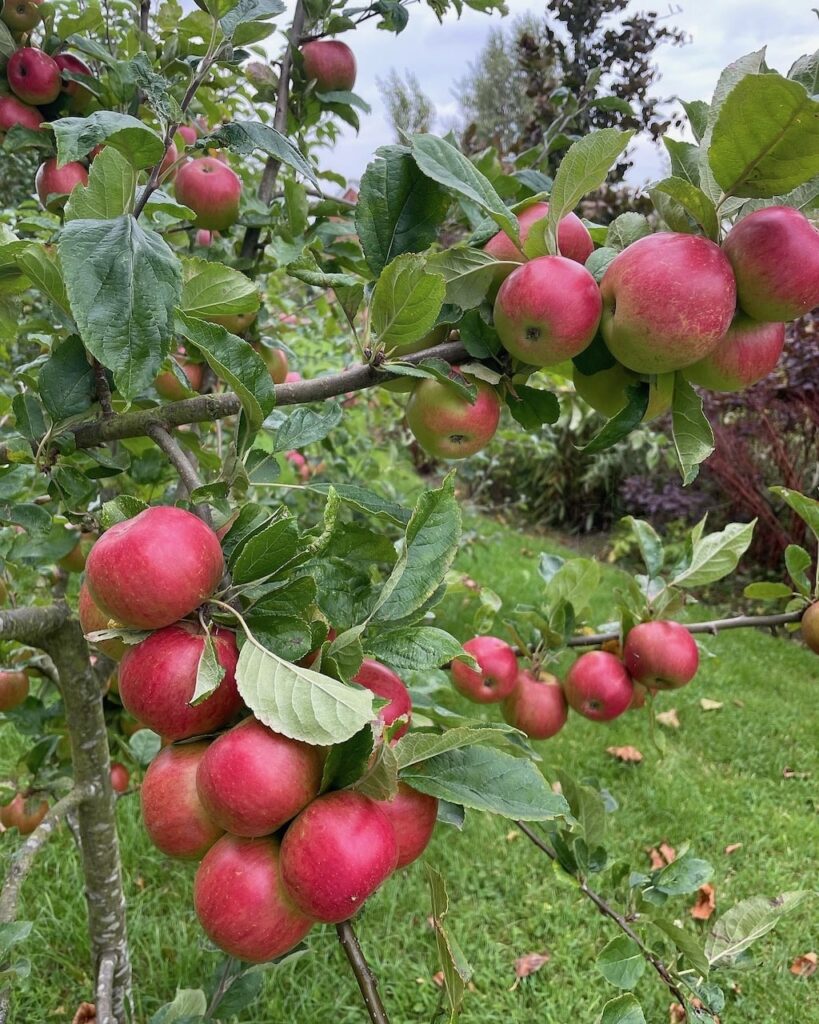
Good apples should never go to waste. There’s always someone who’d appreciate free fruit, and sharing your harvest builds lovely community connections.
Apples store incredibly well, and I’ve been known to keep my harvest ready to eat all the way through to January the following year. However, there are a few tricks to stop them drying out and becoming wrinkly like your old Nan’s hands.
Wrap perfect, unblemished apples individually in newspaper and store in wooden boxes or crates in a cool, dry place (ideal temperature 0 to 4°C). Check monthly and remove any that are starting to deteriorate. Properly stored apples can keep for 4 to 6 months. A garage (free from mice) is a good place, or under the stairs.
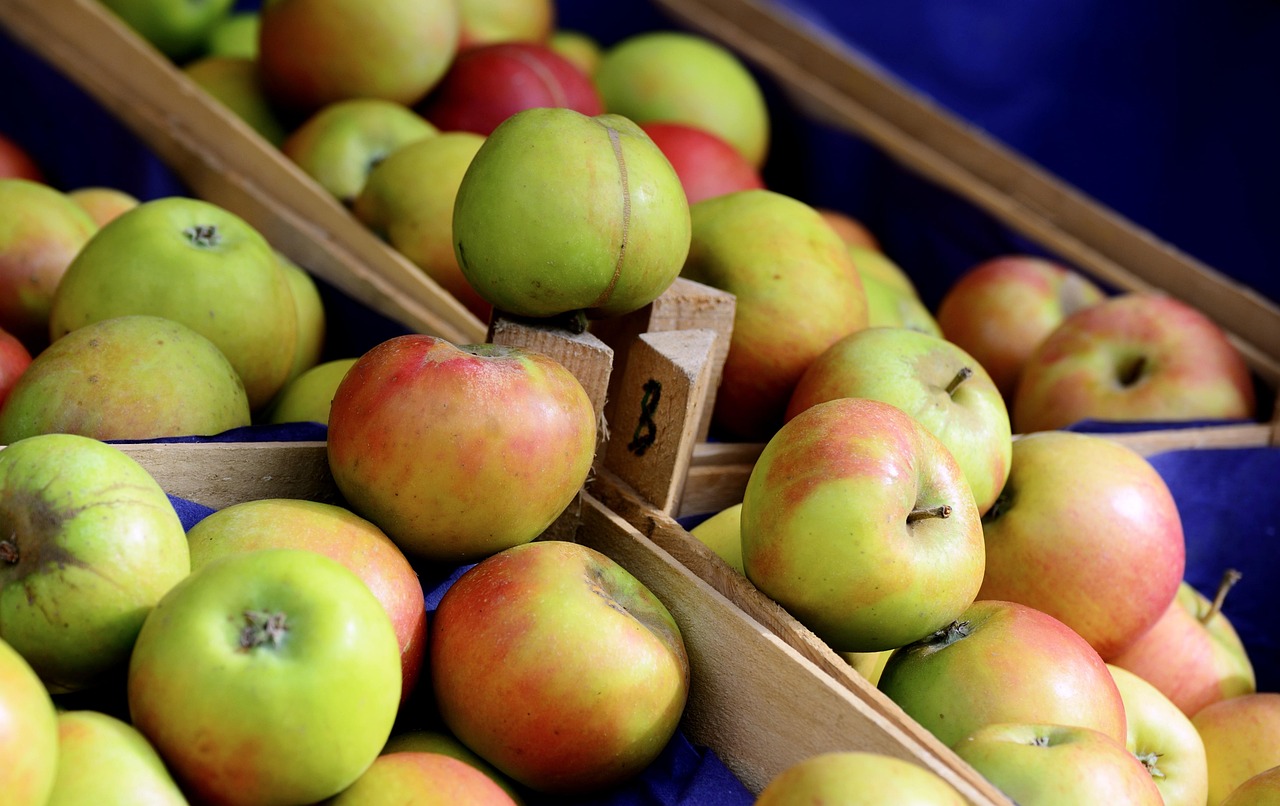
A stacked cardboard box works in a pinch, but a slatted wooden crate lets air circulate around the fruit, which is exactly what stops apples sweating and rotting early. This vintage style wooden apple storage crate stacks neatly in a garage or shed and looks the part if you end up storing it somewhere more visible too.
Modern refrigerators with humidity control can store apples for 2 to 3 months. Keep them in the crisper drawer and check regularly for deterioration.
While whole apples don’t freeze well due to cellular structure breakdown, processed apples freeze beautifully:
For those interested in serious preservation, apple brandy (Calvados style) represents the pinnacle of apple processing. While requiring specific equipment and knowledge, it transforms large quantities of fruit into a product that improves with age and makes exceptional gifts.
Apple Kimchi: A modern twist on traditional fermentation, combining apples with cabbage and Korean style seasonings for a probiotic rich preserve that keeps for months.
Apple Kvass: A traditional Eastern European fermented drink that’s mildly alcoholic and highly refreshing. Uses apple peels and cores that would otherwise be waste.
Farmers Markets: If you consistently produce more apples than you can use, consider the local market route. Homemade apple sauce, chutneys, and baked goods often command premium prices.
Apple Juice Production: Small scale juice presses are increasingly affordable and can process large quantities quickly. Fresh apple juice sells well locally and can be frozen for year round availability.
If your orchard ambitions are growing along with your apple glut, it’s worth looking beyond apples too. My guide to the complete British fruit garden covers pears, plums and some of the forgotten fruits that are worth a spot in a UK garden, and if pears are already on your list, my beginner’s guide to pruning pear trees will keep them cropping well alongside your apples.
Most UK apples are ready between late August and November depending on variety, with early dessert apples like ‘Discovery’ first and late cookers like ‘Bramley’ and ‘D’Arcy Spice’ last. Rather than working from a fixed date, use the lift and twist test on the tree itself, as weather in any given year can shift ripening by two to three weeks either way.
Cup the apple in your palm, lift and twist gently. A ripe apple separates cleanly from the branch with the stalk attached. You can back this up by cutting one open, dark brown or black pips mean it’s ready, while pale pips mean it needs more time.
Beyond eating them fresh, the fastest ways to use a large apple harvest are apple sauce, chutney and apple butter, all of which use kilos of fruit in one sitting and either freeze or jar for months of use. Dehydrating apple rings, freezing prepared slices, and making apple gin are all excellent options if you want variety beyond preserves.
Unblemished apples wrapped individually in newspaper and stored somewhere cool, dark and around 0 to 4°C will typically keep for 4 to 6 months, with some late season varieties such as ‘D’Arcy Spice’ storing for up to 8 months. Check stored apples monthly and remove any that are starting to soften or brown, since one deteriorating apple will spoil its neighbours.
Whole apples don’t freeze well because the cell structure breaks down, but processed apples freeze beautifully. Slice, chop or grate them for your intended use first, spread on a tray to freeze loose, then bag once solid so they don’t clump together.
A degree of early fruit drop, often called June drop, is completely normal and is the tree naturally thinning an overloaded crop. Heavier than usual drop closer to harvest time is more often down to drought stress, irregular watering, or pest damage such as codling moth, so keep watering consistent in dry spells and check windfalls for maggot holes to rule pests in or out.

Join over 100,000 gardeners on YouTube
Free gardening videos from the Garden Ninja, with 8 million views and counting.
Subscribe on YouTube, it’s freeIf sorting through an apple glut has got you thinking more seriously about growing your own food, my online courses will take you from keen amateur to confident garden designer far quicker than working it all out by trial and error. Starting at just £29, you’ll gain access to professional garden design expertise from BBC Garden Rescue’s Lee Burkhill, delivered at a fraction of traditional horticultural education costs.
For the garden you’ve already got, not the one you’re starting from scratch. Seven checklists and video lessons from BBC Garden Rescue’s Lee Burkhill, designed to help you decide what’s worth keeping before you spend a penny.
Garden Design Examples for Small Gardens: 30 Design Templates & Planting Plans: In this online gardening course, I’ll walk you through 30 fantastic garden designs, explaining the logic behind the layout and plant choices, plus take-home tips for applying them in your own garden.
Learn how to transform and design your garden with Lee Burkhill’s crash course in garden design. In over 5 hours, Lee will teach you how to design your dream garden. Featuring practical design examples, planting ideas and video guides. Learn how to design your garden in one weekend!
Garden Design for Beginners Online Course: Want to become a garden designer or design your own garden? This beginner course is for you. Join me, Lee Burkhill, an award-winning garden designer, as I train you in the art of beautiful garden design. Enjoy 20 hours of online study and video lessons, along with quizzes and a completion certificate.
What makes Garden Ninja courses so effective:
The key to successful apple glut management isn’t finding one perfect recipe, it’s developing a system that handles quantities efficiently while creating products you actually want to eat and share. Start with simple preservation methods like sauce and chutney, then expand into more adventurous territory as your confidence grows. Also, don’t beat yourself up if you don’t manage to harvest and use all your apples, the birds, wasps, and other mammals will soon make use of the windfall.
Remember, having too many apples is fundamentally a wonderful problem. It means your tree is healthy, your growing conditions are right, and you’re connected to the ancient tradition of seasonal abundance that our grandparents took for granted. Every jar of chutney, every slice of apple cake, and every glass of homemade cider represents that taste of autumn which can brighten the darkest January day.
The best apple recipe is the one you’ll actually make. Don’t let the perfect become the enemy of the good, a simple apple crumble shared with friends beats an elaborate tarte tatin that never gets made because it seems too complicated. Start simple, build confidence, and before you know it, you’ll be the person your neighbours turn to with their own apple gluts, asking for your secret recipes.
Now get out there and make the most of those apples; they won’t process themselves, and there’s nothing quite like the satisfaction of a well-stocked pantry full of homemade apple goodness.
Happy Harvesting and Cooking!


Lee Burkhill, known as the Garden Ninja, is an award-winning garden designer and horticulturist with over 30 years of gardening experience and 15 years as a professional garden designer. A qualified RHS (Royal Horticultural Society) professional, Lee specialises in sustainable garden design and practical horticultural advice. He designs and presents on BBC1’s Garden Rescue and in leading gardening publications. Lee combines three decades of hands-on gardening knowledge with professional design qualifications to help gardeners create beautiful, functional outdoor spaces.
View all posts by Lee Burkhill






JOIN THE NINJAS

Be the first in line for new Guides, Discount codes and Offers